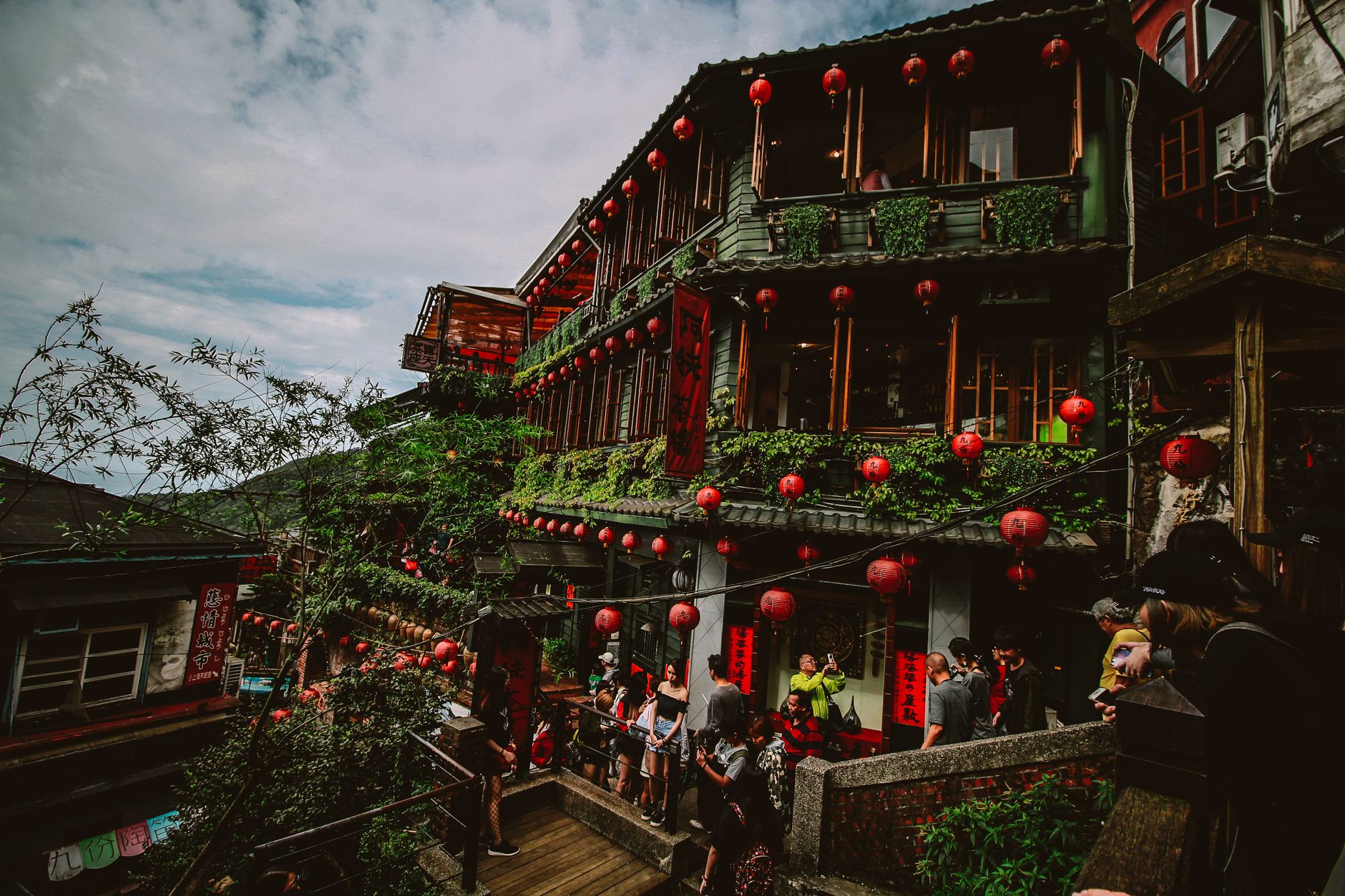
Taiwan has emerged as an increasingly attractive destination for Indian travelers seeking diverse experiences ranging from bustling night markets to scenic natural landscapes. In a strategic move to capitalize on this growing interest, Taiwan Tourism has introduced a co-investment familiarization (FAM) model specifically designed for the Indian market, marking a shift in how destination marketing organizations engage with overseas travel trade partners.
Understanding the FAM Model
Familiarization trips, commonly known as FAM trips in the travel industry, are organized educational tours that allow travel agents, tour operators, and travel media to experience a destination firsthand. These trips serve as critical marketing tools, enabling travel professionals to gain direct knowledge of hotels, attractions, transportation networks, and local experiences that they can later recommend and sell to their clients.
The traditional FAM trip model typically involves the destination tourism board bearing most or all costs associated with hosting travel professionals. Taiwan's new co-investment approach represents a departure from this conventional structure, introducing a shared financial responsibility framework.
The Co-Investment Framework
Under the co-investment model, both Taiwan Tourism authorities and Indian travel trade partners contribute financially to organizing and executing FAM trips. This collaborative investment structure creates several advantages over traditional models.
By requiring participating Indian travel companies to invest their own resources, the model ensures serious commitment from partners who are genuinely interested in promoting Taiwan as a destination. Companies that invest financially are more likely to actively market Taiwan packages and follow through on business development plans after the FAM trip concludes.
The shared investment also allows for potentially larger-scale or more comprehensive FAM programs, as the combined resources can support more extensive itineraries, accommodate more participants, or enable repeat familiarization opportunities throughout the year.
Why Taiwan Is Targeting India
India represents one of the world's fastest-growing outbound tourism markets, with millions of Indians traveling abroad annually for leisure, business, and educational purposes. Several factors make Taiwan particularly appealing to Indian travelers.
Taiwan offers visa-free or visa-on-arrival access for Indian passport holders under certain conditions, removing a significant barrier to travel. The destination presents a compelling mix of traditional Chinese culture, Japanese influences from its colonial period, and modern Taiwanese innovation, creating a unique cultural tapestry.
The island nation is also known for safety, cleanliness, efficient public transportation, and relatively affordable travel costs compared to destinations like Japan or Singapore. From the stunning Taroko Gorge to the vibrant capital Taipei, Taiwan provides diverse experiences within a compact geography, making it ideal for week-long itineraries popular among Indian travelers.
Benefits for Indian Travel Trade
For Indian tour operators and travel agents, participating in this co-investment FAM model offers several strategic advantages.
- Direct knowledge of accommodation options across various price points helps create better tour packages
- Firsthand experience of attractions enables more authentic selling conversations with potential customers
- Networking opportunities with Taiwanese tourism suppliers can lead to preferential rates and partnerships
- Understanding local transportation, food options, and cultural nuances helps address customer concerns proactively
- Early-mover advantage in a market where Taiwan awareness among Indian travelers is still developing
Implementation Challenges
While the co-investment model presents numerous benefits, it also introduces certain challenges that both parties must navigate carefully.
Smaller travel agencies with limited marketing budgets may find it difficult to commit financial resources to FAM trips, potentially limiting participation to larger, well-established companies. Clear metrics for measuring return on investment become essential when partners are co-funding initiatives, requiring robust tracking systems for bookings and revenue generated from Taiwan packages.
Both parties must also establish transparent agreements regarding investment proportions, deliverables, and post-FAM expectations to prevent misunderstandings and ensure mutually beneficial outcomes.
The Broader Industry Trend
Taiwan's adoption of the co-investment FAM model reflects a broader evolution in destination marketing strategies globally. Tourism boards worldwide are increasingly seeking partnerships that demonstrate genuine commitment rather than simply offering free trips that may not translate into actual business growth.
This approach aligns with sustainable tourism marketing principles, where quality partnerships with motivated stakeholders often yield better long-term results than quantity-focused traditional marketing approaches.
As international travel continues recovering and evolving in the post-pandemic landscape, collaborative models that align incentives between destinations and distribution partners are likely to become more prevalent across the global tourism industry. Taiwan's initiative in the Indian market may well serve as a blueprint for other destinations seeking to build meaningful engagement with high-potential source markets.