Taiwan is rolling out a fresh approach to attract more Indian tourists by adopting a co-funded familiarisation (FAM) trip model, signaling a strategic shift in how destination marketing organizations engage with travel trade partners. This collaborative framework marks a departure from traditional fully-sponsored trips, introducing a shared investment concept that could reshape India-Taiwan tourism dynamics.
Understanding the Co-Funded FAM Model
Familiarisation trips have long been a cornerstone of tourism marketing, allowing travel agents, tour operators, and travel writers to experience destinations firsthand. The traditional model typically sees tourism boards bearing the complete cost of flights, accommodation, meals, and activities. Taiwan's co-funded approach, however, splits these expenses between the Taiwan Tourism Administration and participating Indian travel trade professionals.
Under this model, Indian travel agents and tour operators contribute a portion of the trip costs while Taiwan's tourism authority covers the remainder. This shared investment structure creates a sense of mutual commitment and ensures that participants have genuine business intent rather than viewing FAM trips as free vacations.
Why Taiwan is Targeting Indian Travelers
India has emerged as one of Asia's fastest-growing outbound travel markets, with millions of Indians traveling abroad annually for leisure, business, and education. Taiwan recognizes this potential and has been actively working to position itself as an attractive destination for Indian tourists.
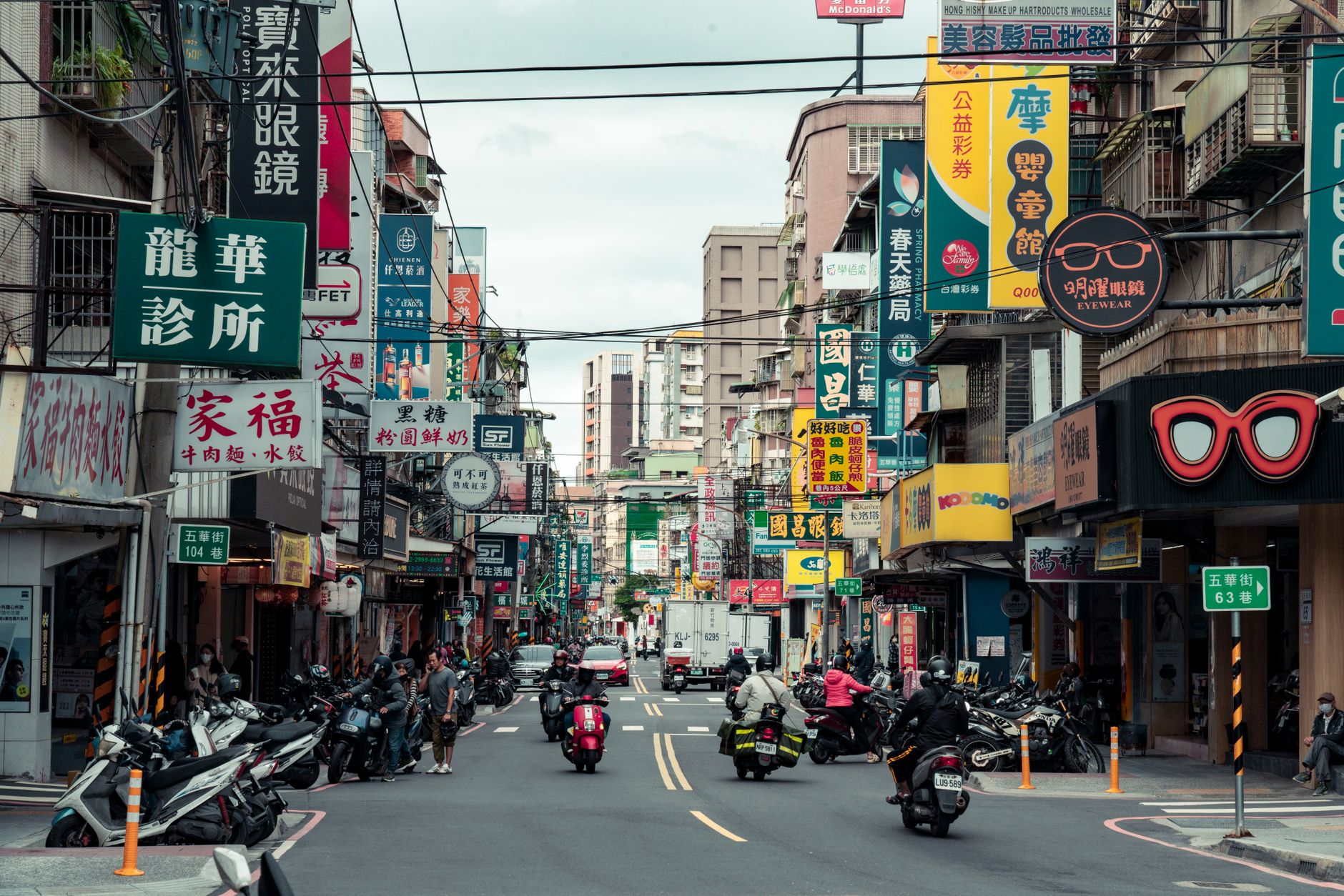
The island nation offers diverse attractions including vibrant night markets, stunning natural landscapes like Taroko Gorge and Sun Moon Lake, rich cultural heritage, modern cities, and renowned hospitality. Additionally, Taiwan's safety record, efficient public transportation, and growing number of vegetarian-friendly dining options make it particularly appealing to Indian travelers.
Benefits of the Shared Investment Approach
The co-funded model offers several advantages over traditional fully-sponsored FAM trips. When travel agents invest their own money, they demonstrate serious commitment to promoting the destination upon return. This financial stake naturally filters participants to those genuinely interested in developing Taiwan packages for their clients.
For Taiwan Tourism Administration, the approach allows them to organize more FAM trips with the same budget, reaching a wider network of travel trade partners across India's diverse markets. The model also fosters a partnership mindset rather than a vendor-client relationship, potentially leading to more sustained engagement and authentic destination advocacy.
Indian travel agents benefit by gaining in-depth destination knowledge at a subsidized cost while building direct relationships with Taiwan's tourism stakeholders, hotels, and local operators. These connections prove invaluable when crafting competitive tour packages and addressing client queries.
Impact on India-Taiwan Tourism Relations
This initiative reflects Taiwan's long-term vision for the Indian market. Rather than seeking quick wins through heavy discounting, the co-funded approach builds a foundation of knowledgeable, committed travel partners who can effectively communicate Taiwan's value proposition to Indian travelers.
The model also encourages quality over quantity in FAM trip participation. Travel agents who pay partial costs are more likely to actively promote Taiwan, create innovative itineraries, and provide accurate information to potential travelers. This results in better-qualified tourists who have realistic expectations and are more likely to become repeat visitors or recommend Taiwan to others.
Broader Industry Implications
Taiwan's adoption of this model could influence how other destination marketing organizations approach travel trade engagement, particularly in price-sensitive markets like India. The co-funded framework demonstrates that partnerships built on mutual investment may yield better long-term results than one-sided sponsorships.
For Indian travel agents, this trend means preparing to invest in destination knowledge and market development. Those willing to make such investments will likely gain competitive advantages through deeper expertise and stronger supplier relationships.
Strengthening Bilateral Tourism Ties
Beyond commercial considerations, increased tourism exchange strengthens people-to-people connections between India and Taiwan. As more Indians experience Taiwan's culture, cuisine, and hospitality firsthand through well-informed travel agents, it builds cultural bridges and mutual understanding.
The timing of this initiative is particularly significant as international travel rebounds post-pandemic. Destinations that effectively engage travel trade partners now will be better positioned to capture market share as Indian outbound tourism continues its upward trajectory.
Taiwan's co-funded FAM model represents an evolution in destination marketing—one that recognizes travel trade professionals as genuine partners rather than passive recipients of marketing efforts. For Indian travel agents, it presents an opportunity to deepen expertise in an emerging destination while sharing both costs and potential rewards with a committed tourism authority.