India's travel and tourism sector is poised for remarkable growth over the next decade, with projections placing the country among the world's top four travel economies by 2036. This optimistic forecast from the World Travel & Tourism Council underscores India's emerging dominance in global tourism and reflects broader economic trends reshaping how Indians travel and how the world views India as a destination.
Understanding the WTTC Projection
The World Travel & Tourism Council is a leading authority that measures the economic impact of travel and tourism across nations. When the organization projects India reaching fourth place globally, it refers to the total contribution of travel and tourism to the country's GDP, encompassing direct spending by tourists, related industries, and ripple effects throughout the economy.
Currently, India ranks lower in global tourism GDP rankings, trailing behind the United States, China, Germany, and several other developed nations. The projected leap to fourth position represents not just incremental growth but transformational change in the sector's scale and sophistication.
Key Drivers of India's Tourism Growth
Several powerful forces are converging to fuel this anticipated expansion. India's middle class is expanding rapidly, with hundreds of millions of people entering income brackets that allow discretionary spending on travel. Unlike previous generations who saved primarily for necessities, younger Indians increasingly prioritize experiences and exploration.
Domestic tourism forms the backbone of this growth story. Indians are traveling within their own country in unprecedented numbers, discovering regional destinations, heritage sites, adventure tourism spots, and beach resorts. Weekend getaways and short holiday trips have become routine rather than exceptional events for urban families.
Infrastructure development plays a crucial enabling role. The expansion of airport networks, with numerous tier-two and tier-three cities gaining air connectivity, has made travel faster and more convenient. Highway improvements, including dedicated expressways and upgraded national highways, have opened up road trip possibilities previously considered impractical.
Government Initiatives and Policy Support
India's government has recognized tourism as a strategic sector capable of generating employment and foreign exchange. Initiatives like the e-visa program have simplified entry for international visitors from numerous countries, reducing bureaucratic hurdles that previously discouraged tourism.
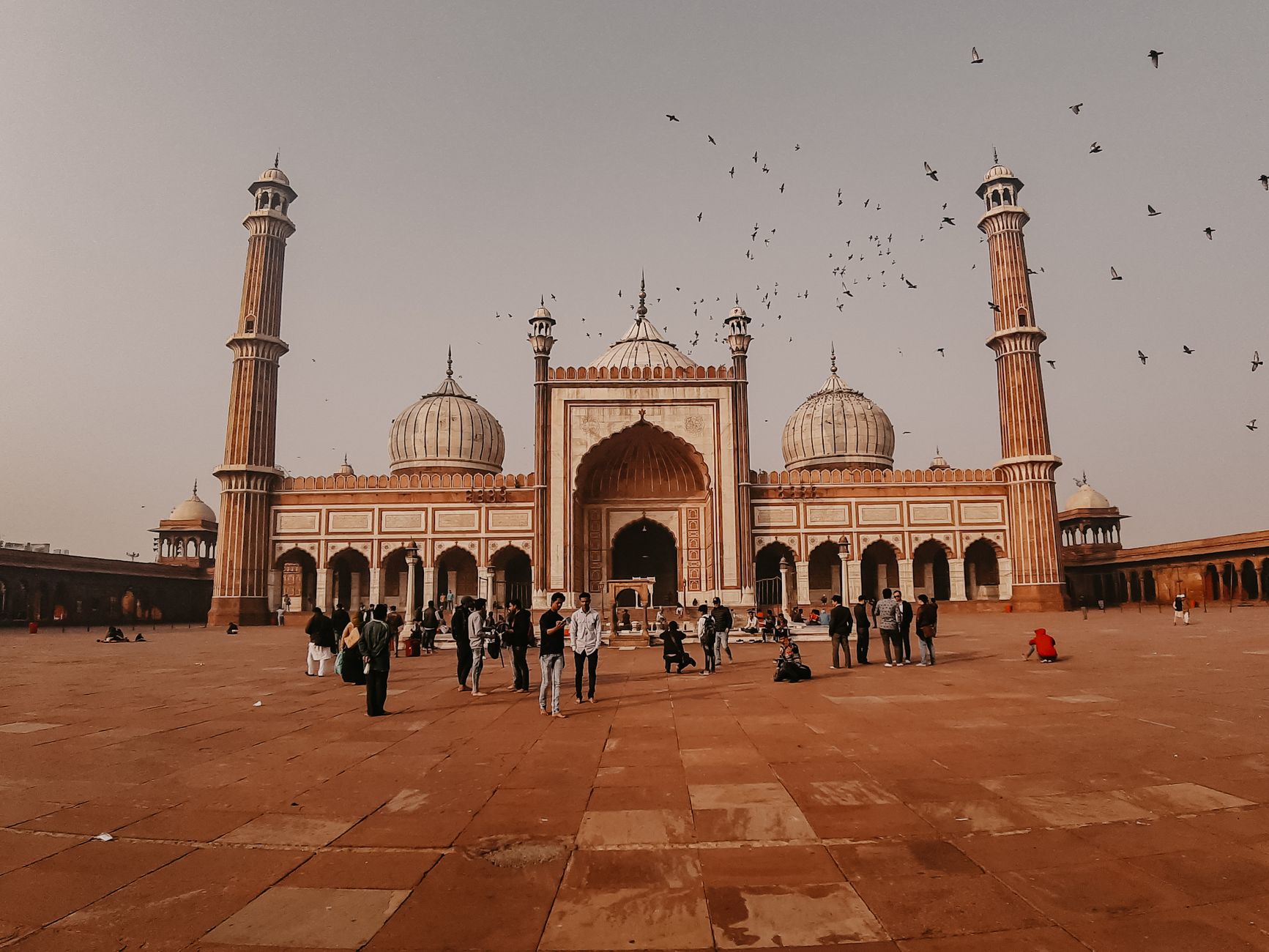
The Swadesh Darshan scheme focuses on developing theme-based tourist circuits, while PRASAD aims at enhancing pilgrimage destinations. These programs direct investment toward infrastructure, visitor facilities, and destination marketing, creating the foundation for sustainable tourism growth.
State governments have become increasingly competitive in attracting tourists, developing unique positioning strategies and investing in their tourism assets. This healthy competition drives innovation and improves visitor experiences across the country.
The International Tourism Dimension
While domestic tourism provides volume, international arrivals bring higher per-visitor spending and global visibility. India is working to position itself as a must-visit destination for global travelers, promoting its incredible diversity—from Himalayan treks to Kerala backwaters, from Rajasthan's palaces to Goa's beaches.
Medical tourism represents a high-value niche where India has established leadership, attracting patients seeking quality healthcare at competitive costs. Yoga and wellness tourism similarly leverage India's cultural heritage, drawing visitors seeking authentic experiences.
Employment and Economic Multiplier Effects
The travel and tourism sector is employment-intensive, creating jobs across skill levels from hospitality and transportation to handicrafts and tour guidance. The projected growth implies millions of new employment opportunities, particularly important for a country with India's demographic profile.
Tourism spending creates multiplier effects throughout the economy. A tourist's hotel stay generates demand for food supplies, laundry services, transportation, and entertainment. These interconnected economic activities amplify tourism's GDP contribution beyond direct spending.
Challenges to Address
Realizing this projection requires addressing persistent challenges. Infrastructure gaps remain despite improvements, particularly in smaller destinations lacking adequate accommodation and basic facilities. Cleanliness and sanitation issues, while improving, continue to affect visitor perceptions in some locations.
Seasonality concentrates tourism demand into specific months, creating capacity constraints during peak periods and underutilization during off-seasons. Better distribution of tourism flow throughout the year would enhance sustainability and economic returns.
Looking Ahead to 2036
The journey to becoming the world's fourth-largest travel economy represents both opportunity and responsibility. India must balance growth with sustainability, ensuring that increased visitor numbers don't degrade the very attractions that draw travelers. Responsible tourism practices, environmental protection, and community involvement will determine whether growth proves beneficial long-term.
For businesses, investors, and professionals, the tourism sector's projected trajectory signals expanding opportunities across hospitality, technology, transportation, and related services. For travelers, it promises improving experiences, better infrastructure, and greater choices within India's vast geographical and cultural landscape.