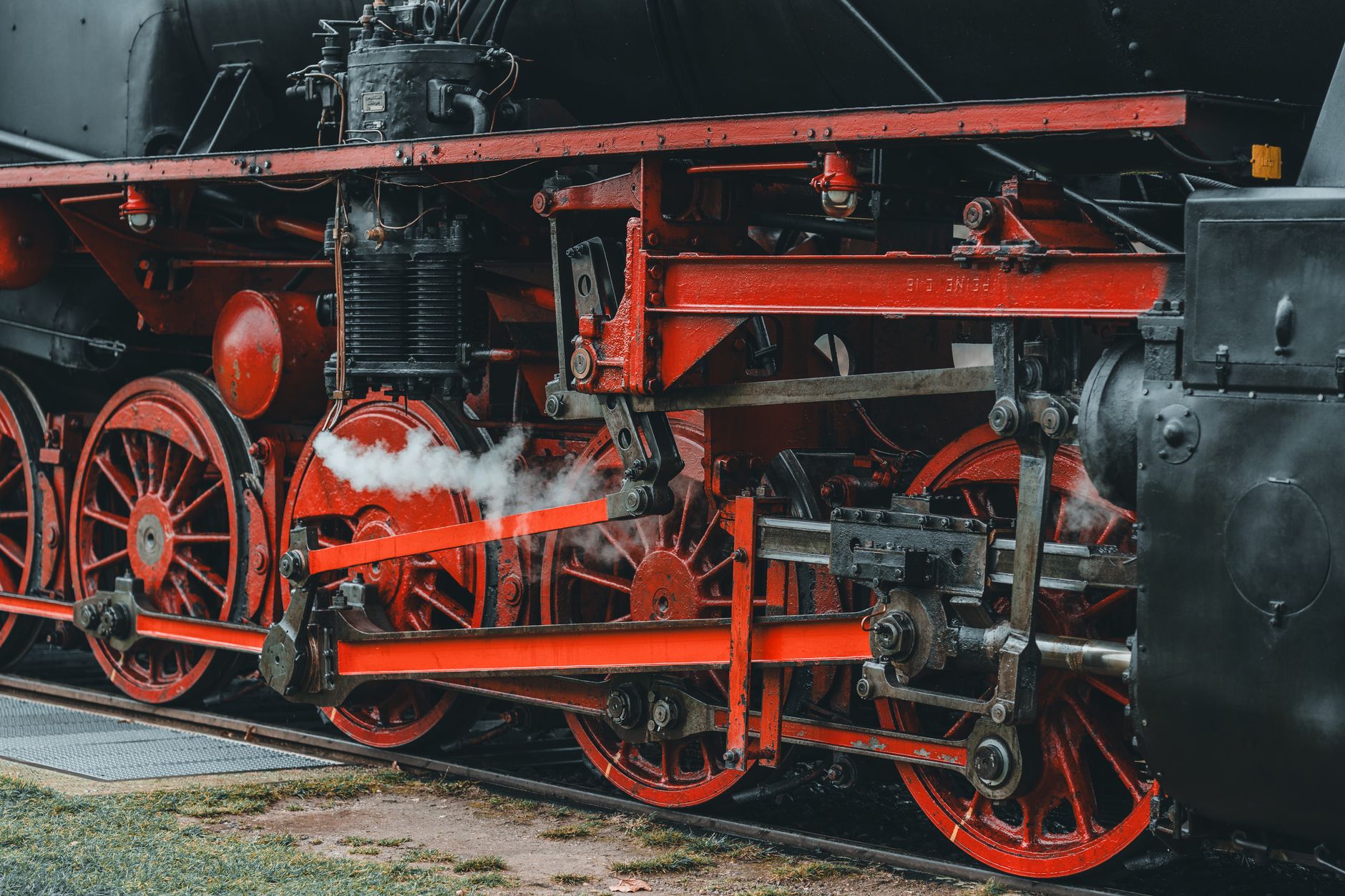
India has joined the elite club of nations operating hydrogen-powered trains, unveiling its first indigenous hydrogen fuel cell locomotive to widespread acclaim from railway professionals and environmental advocates. This development represents a major stride in the country's commitment to reducing carbon emissions and achieving its net-zero targets while modernizing its vast railway network.
Understanding Hydrogen Train Technology
Hydrogen-powered trains operate using fuel cells that combine hydrogen with oxygen from the air to generate electricity. This process produces only water vapor and heat as byproducts, making it a genuinely zero-emission alternative to diesel locomotives. The electricity generated powers electric motors that drive the train, similar to electric trains but without requiring overhead power lines or electrified tracks.
The technology offers several advantages over traditional diesel engines. Hydrogen fuel cells are more energy-efficient, converting fuel to power more effectively than combustion engines. They also operate more quietly, reducing noise pollution in urban and rural areas alike. The refueling process for hydrogen trains is comparable in speed to diesel refueling, taking just 15-20 minutes, which gives them an edge over battery-electric alternatives that require hours to recharge.
Performance That Impresses
Early feedback from pilots and railway personnel highlights the train's exceptional pickup and acceleration capabilities. Hydrogen fuel cells deliver instantaneous torque, providing smooth and rapid acceleration that exceeds diesel locomotive performance. This characteristic is particularly valuable for passenger comfort and operational efficiency on routes with frequent stops.
The indigenous technology demonstrates that Indian engineering capabilities can compete with international standards. The train's performance parameters reportedly match or exceed those of diesel trains while eliminating harmful emissions entirely. This combination of environmental responsibility and operational excellence makes the technology particularly attractive for expanding across India's extensive railway network.
Environmental Impact and Benefits
India's railway system is one of the world's largest, transporting millions of passengers and massive quantities of freight daily. A significant portion still relies on diesel locomotives, contributing substantially to air pollution and greenhouse gas emissions. Hydrogen trains offer a pathway to decarbonize these routes without the massive infrastructure investment required for complete electrification.
The environmental benefits extend beyond zero tailpipe emissions. When hydrogen is produced using renewable energy sources like solar or wind power through electrolysis, the entire lifecycle becomes carbon-neutral. India's growing renewable energy capacity positions it well to produce green hydrogen domestically, reducing dependence on imported fossil fuels while supporting clean energy industries.
Strategic Implications for India's Railway Future
The introduction of hydrogen trains aligns with India's National Hydrogen Mission, which aims to establish the country as a global hub for green hydrogen production and utilization. The railway sector presents an ideal testing ground for scaling this technology, given the controlled operational environment and existing infrastructure for fuel distribution.
Railway officials indicate that hydrogen technology is particularly suitable for routes where electrification is economically unviable or technically challenging, such as mountainous terrain or heritage routes where overhead wires would be inappropriate. The technology could also serve tourist circuits, offering travelers a premium, environmentally conscious travel experience.
Challenges and the Road Ahead
Despite the promising start, several challenges remain before hydrogen trains become commonplace on Indian railways. The primary obstacle is establishing a comprehensive hydrogen production, storage, and distribution infrastructure. Currently, green hydrogen production costs remain higher than diesel, though experts predict prices will decrease as technology matures and production scales up.
Safety protocols for hydrogen handling require specialized training and infrastructure modifications at railway depots and maintenance facilities. However, hydrogen has been safely used in industrial applications for decades, and established safety standards can be adapted for railway use.
The initial deployment will likely focus on pilot routes to gather operational data and refine the technology for Indian conditions. Success on these routes will inform broader rollout strategies and help identify optimal applications within the diverse railway network.
Global Context and Innovation
India joins Germany, China, and France in operating hydrogen trains for passenger or freight service. However, developing indigenous technology rather than importing turnkey solutions positions India to potentially export this expertise to other developing nations facing similar decarbonization challenges.
This achievement reflects India's growing capabilities in clean technology innovation and its commitment to sustainable development that balances environmental protection with economic growth and improved public services.