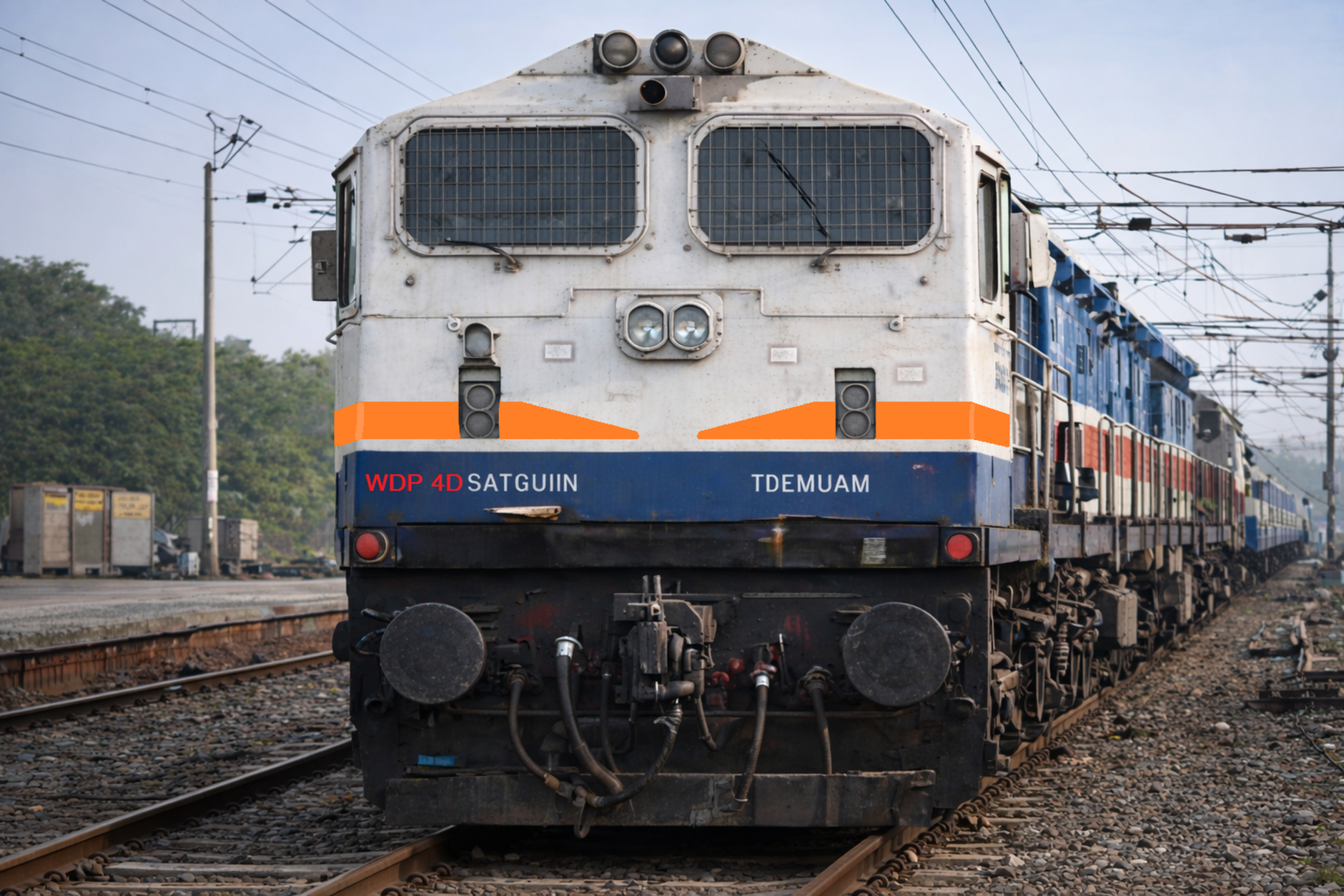
India has taken a major leap toward sustainable transportation with the Ministry of Railways announcing the adoption of indigenous hydrogen fuel cell technology to power trains across the country. This development represents a crucial milestone in India's commitment to reducing carbon emissions and achieving its net-zero targets while showcasing the nation's growing capabilities in clean energy innovation.
Understanding Hydrogen Fuel Cell Technology
Hydrogen fuel cells generate electricity through a chemical reaction between hydrogen and oxygen, producing only water vapor as a byproduct. Unlike conventional diesel locomotives that emit harmful pollutants, hydrogen-powered trains offer a zero-emission alternative that significantly reduces the environmental impact of rail transportation.
The technology works by storing hydrogen in onboard tanks, which then feeds into fuel cells that convert the chemical energy into electrical power. This electricity drives the train's motors, providing a clean and efficient mode of transport. The only emissions from this process are water and heat, making it one of the cleanest alternatives available for heavy-duty transportation.
Why This Matters for Indian Railways
Indian Railways operates one of the world's largest rail networks, carrying millions of passengers and vast quantities of freight daily. The sector has traditionally relied heavily on diesel locomotives, contributing substantially to air pollution and carbon emissions. The transition to hydrogen fuel cells addresses several critical challenges:
- Reduction in air pollution in urban and rural areas along rail corridors
- Decreased dependence on imported fossil fuels, improving energy security
- Lower operational costs in the long term despite higher initial investment
- Quieter operation compared to diesel engines, reducing noise pollution
- Alignment with India's climate commitments under international agreements
The Indigenous Development Advantage
The emphasis on indigenous technology development carries multiple benefits for India's economy and technological ecosystem. By developing hydrogen fuel cell systems domestically, India can avoid expensive technology imports and create a foundation for future innovation in this sector.
This approach supports the government's Make in India initiative and creates opportunities for local manufacturing, research and development, and skill development. Indian engineers and scientists gain valuable expertise in cutting-edge clean energy technologies, positioning the country as a potential exporter of such solutions to other developing nations facing similar transportation challenges.
Implementation and Rollout
The adoption of hydrogen fuel cell technology will likely proceed in phases, beginning with pilot projects on select routes before expanding to broader network coverage. Initial implementations typically focus on routes where electrification is challenging or economically unviable, such as remote or hilly terrains.
The infrastructure requirements include establishing hydrogen production facilities, storage systems, and refueling stations at strategic locations. India's growing renewable energy capacity, particularly solar and wind power, can support green hydrogen production through electrolysis, creating a truly sustainable fuel cycle.
Global Context and Comparisons
India joins several countries exploring hydrogen-powered rail transport, including Germany, which launched the world's first hydrogen trains in 2018, and France, Japan, and the United Kingdom, which have active development programs. However, India's focus on indigenous technology development distinguishes its approach from nations relying primarily on imported solutions.
The scale of Indian Railways presents unique challenges and opportunities. Success in implementing hydrogen fuel cells across even a portion of India's vast network could provide valuable lessons and technological refinements applicable to other large-scale rail systems worldwide.
Challenges Ahead
Despite the promising outlook, several hurdles require attention. The production of green hydrogen remains relatively expensive compared to conventional fuels, though costs are expected to decline with scale and technological improvements. Building the necessary infrastructure for hydrogen production, storage, and distribution demands significant capital investment and careful planning.
Safety protocols for handling and storing hydrogen, which is highly flammable, must be rigorously developed and implemented. Additionally, training railway staff to operate and maintain hydrogen-powered trains requires comprehensive programs and time.
Economic and Environmental Impact
The long-term economic benefits of hydrogen fuel cell technology extend beyond operational savings. Reduced air pollution contributes to better public health outcomes, potentially lowering healthcare costs associated with respiratory and cardiovascular diseases. The technology also creates new employment opportunities in manufacturing, maintenance, and hydrogen production sectors.
Environmentally, widespread adoption could eliminate millions of tons of carbon dioxide emissions annually, contributing meaningfully to India's climate goals. The technology also reduces particulate matter and nitrogen oxide emissions that plague many Indian cities and towns.
The adoption of indigenous hydrogen fuel cell technology by Indian Railways represents a bold step toward sustainable transportation, combining environmental responsibility with technological self-reliance and economic pragmatism in addressing one of the country's largest sources of emissions.