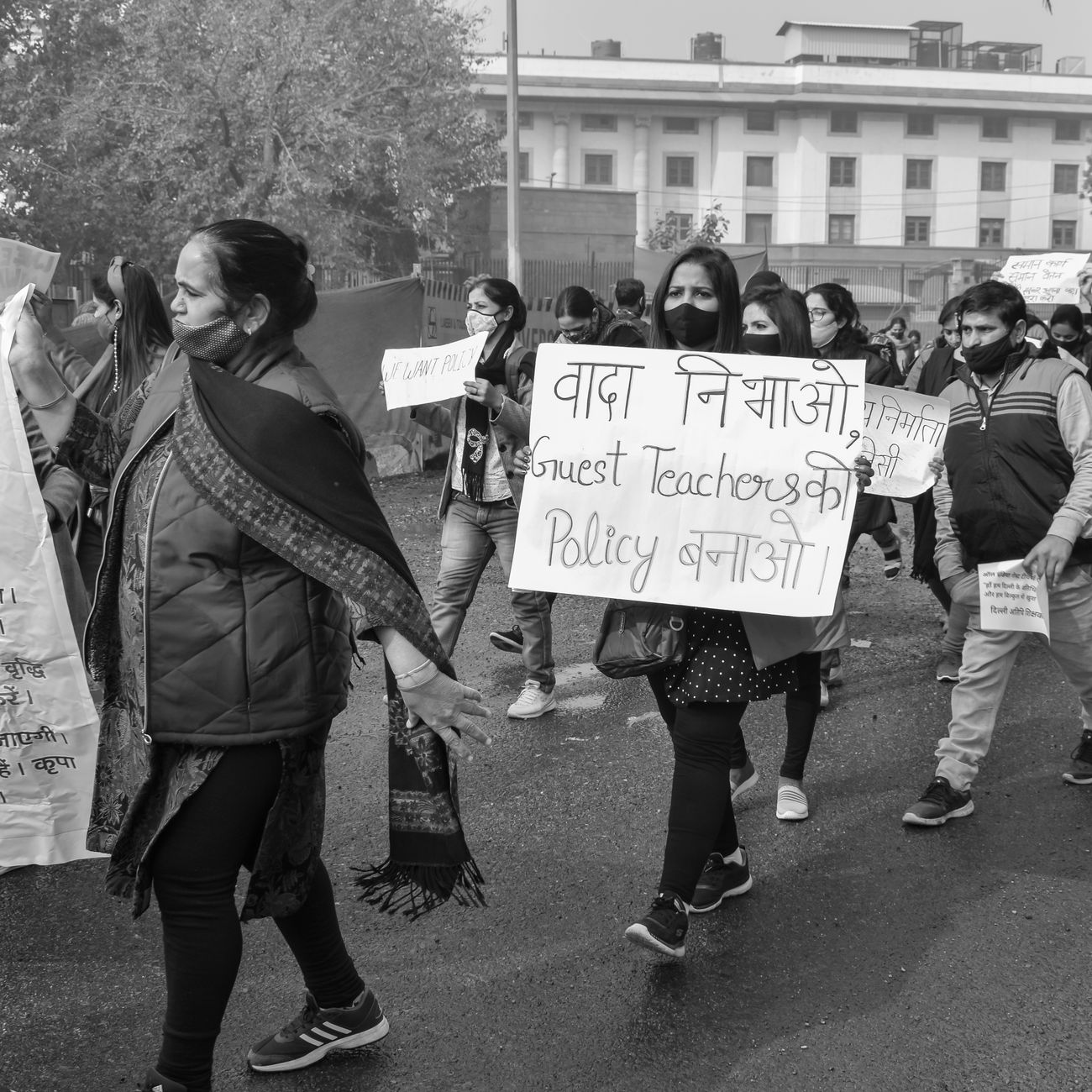
The recent discourse around tightening laws governing India's education sector has dominated headlines, but lawmakers and educators are increasingly recognizing that legislative measures alone cannot solve the deep-rooted challenges plaguing the system. The problems facing Indian education are structural, cultural, and pedagogical—requiring comprehensive reform rather than band-aid regulatory solutions.
The Limitations of a Law-Centric Approach
Introducing stricter laws typically addresses symptoms rather than causes. Whether regulations target school safety, accreditation standards, or operational guidelines, they often create additional bureaucratic layers without improving learning outcomes. India already has numerous educational policies and acts on the books, yet implementation remains inconsistent across states and regions. Adding more legislation without addressing enforcement capacity and systemic issues merely creates a compliance burden, particularly for under-resourced institutions.
The fundamental issue is that laws cannot replace quality teaching, adequate infrastructure, or a curriculum aligned with 21st-century needs. While regulations can establish minimum standards, they cannot inspire pedagogical innovation or create the conditions for genuine learning.
The Rote Learning Trap
India's examination-oriented education system remains one of its most significant obstacles to progress. Students spend years memorizing facts and formulas to succeed in high-stakes examinations, from board exams to competitive entrance tests. This approach produces individuals who can reproduce information but often struggle with critical thinking, problem-solving, and creativity.
The emphasis on marks over understanding creates immense pressure on students, contributing to mental health challenges and, in extreme cases, tragic outcomes. The system rewards conformity and recall ability rather than curiosity, questioning, or original thought—precisely the skills demanded by modern workplaces and an innovation-driven economy.
Teacher Training and Motivation
At the heart of any education system are teachers, yet India's approach to teacher preparation and professional development remains inadequate. Many teachers enter the profession with subject knowledge but limited pedagogical training. Continuous professional development opportunities are scarce, especially in rural areas, leaving teachers without exposure to modern teaching methodologies or technology integration.
Furthermore, teacher motivation suffers from multiple factors including low salaries in private institutions, poor working conditions, large class sizes, and limited career advancement opportunities. Without addressing these foundational issues, no amount of regulatory oversight will improve classroom experiences.
The Infrastructure Deficit
Millions of Indian students attend schools lacking basic facilities—proper classrooms, functional toilets, clean drinking water, libraries, or science laboratories. The digital divide became starkly visible during the pandemic when online learning proved inaccessible to vast numbers of students without devices or internet connectivity.
This infrastructure gap extends beyond physical amenities to include learning resources, age-appropriate books, educational aids, and technology. While some elite institutions boast world-class facilities, the vast majority of Indian students experience severely under-resourced learning environments. Laws mandating infrastructure standards mean little without corresponding budgetary allocations and implementation mechanisms.
Curriculum Relevance and Skill Gaps
India's curricula often remain disconnected from practical application and contemporary workforce requirements. Many students graduate without essential life skills, financial literacy, or the ability to apply theoretical knowledge to real-world situations. The emphasis on academic streams over vocational education has created a mismatch between the skills graduates possess and market demands.
The National Education Policy 2020 acknowledges many of these issues, proposing a shift toward holistic, multidisciplinary education with greater flexibility and skill development. However, translating policy vision into ground-level reality requires sustained effort, resource allocation, and systemic change—not just regulatory enforcement.
Regional and Socioeconomic Disparities
Educational quality varies dramatically across states, between urban and rural areas, and among socioeconomic groups. Children from marginalized communities face multiple barriers including language of instruction different from their mother tongue, cultural disconnects in curriculum content, economic pressures forcing early school leaving, and discrimination.
Addressing these disparities requires targeted interventions, community engagement, and recognition that one-size-fits-all regulations often fail to account for diverse ground realities.
The Path Forward
Meaningful education reform requires increased public investment, comprehensive teacher development programs, curriculum redesign emphasizing critical thinking and practical skills, infrastructure development, community participation, and accountability mechanisms focused on learning outcomes rather than mere compliance.
While laws play a role in establishing frameworks and standards, the transformation India's education system needs is fundamentally about changing priorities, mindsets, and resource allocation. It demands recognizing education not as an examination preparation industry but as the foundation for individual development and national progress.
The challenge is substantial, but addressing root causes rather than implementing superficial regulatory fixes offers the only sustainable path toward an education system that truly serves India's children and future.