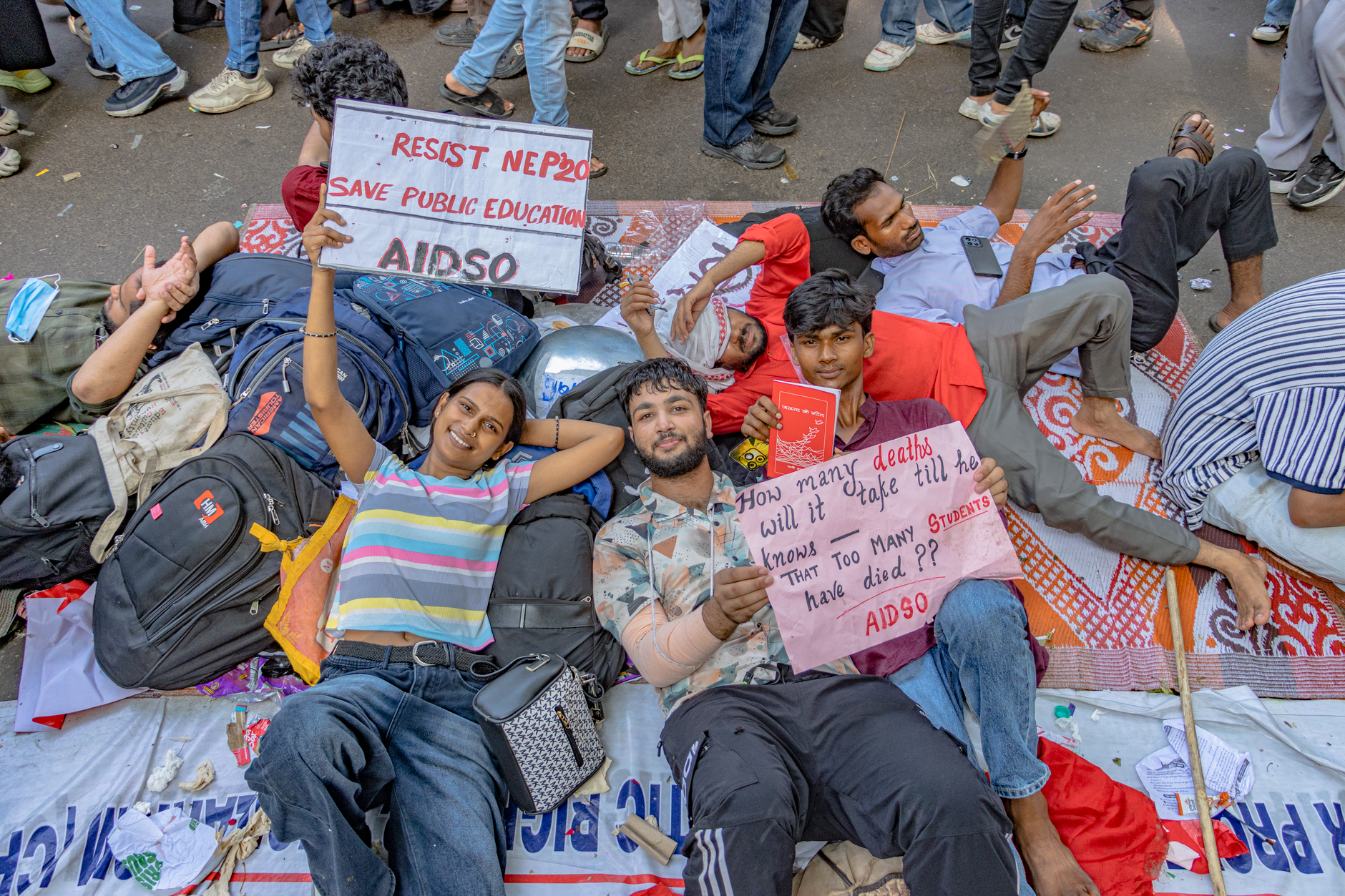
The Indian government has announced a major administrative reshuffle, moving senior bureaucrats across various ministries, including the crucial Education Ministry. These periodic transfers of Indian Administrative Service (IAS) officers at the secretary level are a routine feature of government functioning, yet they often signal important shifts in policy priorities and administrative strategy.
Understanding Bureaucratic Reshuffles
In India's administrative structure, secretaries head various government ministries and departments, serving as the principal advisors to ministers and overseeing policy implementation. The Appointments Committee of the Cabinet, headed by the Prime Minister, approves these transfers and postings. Such reshuffles typically occur for several reasons: completing tenure at a particular post, aligning skill sets with ministry requirements, or refreshing leadership to bring new perspectives to ongoing initiatives.
The standard tenure for a secretary is approximately two years, though this can vary. The reshuffling process ensures that experienced administrators gain exposure to different sectors while preventing prolonged associations that might lead to complacency or entrenched interests.
Why Education Secretary Transfers Matter
The Education Ministry oversees one of India's largest and most complex sectors, managing school education, higher education, and various flagship schemes affecting millions of students. A change in education secretary can impact the implementation pace of major initiatives such as the National Education Policy 2020, digital learning programmes, and curriculum reforms.
When a new secretary takes charge, there's typically a transition period where the incoming officer familiarizes themselves with ongoing projects, stakeholder relationships, and pending policy decisions. However, institutional memory and the permanent bureaucratic structure generally ensure continuity in essential functions.
The Broader Reshuffle Pattern
Bureaucratic reshuffles often involve multiple ministries simultaneously, creating a cascading effect where officers move into new roles while others shift or retire. This rotation system has both advantages and challenges:
- Prevents stagnation by bringing fresh perspectives to long-standing issues
- Allows officers to develop cross-sectoral expertise
- Can disrupt ongoing projects during transition periods
- May require new learning curves for complex, specialized ministries
Impact on Policy Implementation
Major policy initiatives like the National Education Policy represent multi-year efforts requiring sustained administrative attention. When senior bureaucrats change, there can be concerns about continuity, particularly for reforms in mid-implementation. However, the Indian bureaucratic system is designed with layers of expertise, including joint secretaries, additional secretaries, and technical advisors who maintain institutional knowledge.
The career civil service structure ensures that while leadership changes, the broader team remains relatively stable, providing continuity. Additionally, incoming secretaries typically receive detailed briefings and inherit ongoing projects that they're expected to advance according to government priorities.
What These Changes Mean for Stakeholders
For educators, students, and institutions, bureaucratic changes at the top level may initially seem distant from ground realities. However, these appointments can influence:
- The speed and approach to implementing new policies
- Budget allocation priorities within the ministry
- Stakeholder consultation processes
- Inter-ministerial coordination on cross-cutting issues
- Response to emerging challenges in the education sector
The Selection Process
Senior bureaucratic appointments consider various factors including an officer's track record, domain expertise, and remaining service tenure. Officers with proven administrative capabilities and relevant sector experience are typically preferred for key ministries. The government also considers diversity factors and ensures representation across different cadres and states.
Looking Ahead
Bureaucratic reshuffles are part of the normal functioning of government machinery. While changes in leadership can temporarily slow decision-making during transition periods, they also offer opportunities for policy renewal and administrative innovation. The effectiveness of these changes ultimately depends on how quickly incoming officers adapt to their new roles and how well the institutional framework supports continuity.
For the Education Ministry specifically, the focus remains on implementing the NEP 2020, improving learning outcomes, expanding access to quality education, and addressing challenges exposed by the pandemic. Regardless of administrative changes, these priorities continue to guide the ministry's work, supported by a robust bureaucratic structure and technical expertise at multiple levels.