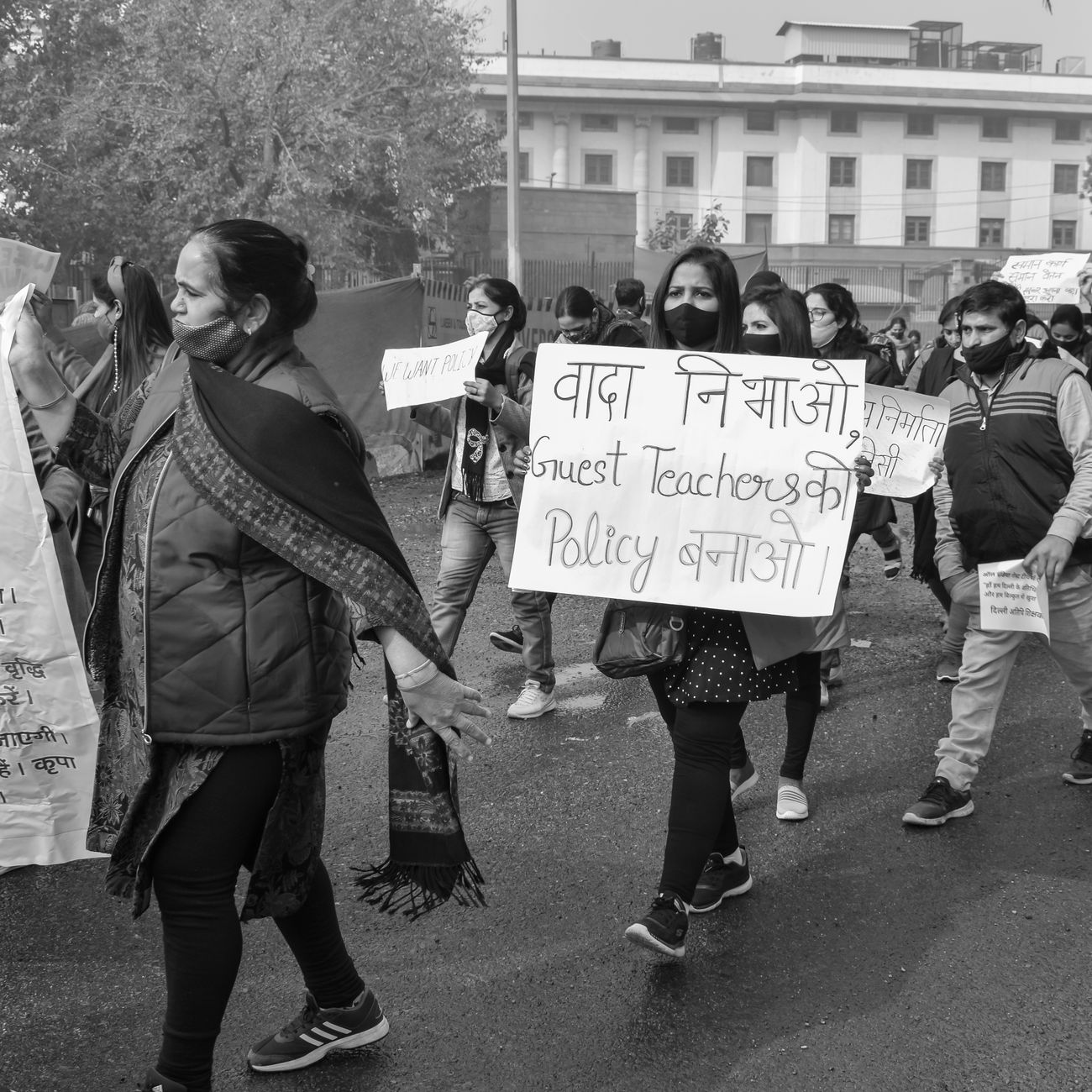
India's education system has long been a subject of debate, criticism, and calls for transformation. While student protests and demonstrations have periodically highlighted specific grievances, the recent wave of education reforms signals something more profound than mere crisis management. These changes reflect a comprehensive reimagining of how India educates its youth in an increasingly competitive global landscape.
The Context Behind the Reforms
India's education sector serves over 250 million students, making it one of the largest in the world. However, quantity has often overshadowed quality. For decades, the system has faced criticism for its emphasis on rote learning, outdated curricula, and a disconnect between academic qualifications and employability. The National Education Policy 2020 and subsequent reforms have attempted to address these foundational issues rather than simply responding to immediate concerns raised through protests.
The reforms acknowledge that India's demographic dividend—with more than 65 percent of the population under 35—can only be leveraged if the education system produces skilled, adaptable, and critically thinking individuals. This requires systemic change, not temporary fixes.
Key Areas of Transformation
The current reforms touch multiple aspects of the education ecosystem. The shift from a 10+2 structure to a 5+3+3+4 model recognizes different developmental stages in children, emphasizing foundational learning, preparatory education, and skill development at appropriate ages. This represents pedagogical thinking rather than administrative convenience.
Multidisciplinary education has become a cornerstone of the new approach. Students are now encouraged to combine arts with sciences, break down artificial silos between subjects, and develop holistic understanding. This directly addresses industry complaints about graduates lacking cross-functional skills and creative problem-solving abilities.
Vocational education integration starting from middle school marks another significant departure. By removing the stigma traditionally associated with vocational training and integrating it into mainstream education, reforms aim to create multiple pathways to success and employment.
Technology and Access
Digital infrastructure development has accelerated under these reforms, particularly following lessons learned during the pandemic. However, the focus extends beyond emergency remote learning to creating permanent digital learning resources, bridging the urban-rural divide, and ensuring equitable access to quality education regardless of geography.
The emphasis on mother-tongue instruction in early years, supported by digital content creation in regional languages, addresses both pedagogical research and cultural preservation. This represents policy grounded in educational psychology rather than political expediency.
Addressing Employability and Skills Gap
Perhaps the most significant aspect of these reforms is their focus on employability and lifelong learning. Indian employers have long lamented the gap between academic credentials and job readiness. The new framework emphasizes internships, industry partnerships, and practical skill development alongside theoretical knowledge.
The introduction of multiple entry and exit points in higher education, with academic credit banking, allows students to enter the workforce and return to education without losing their previous learning. This flexibility acknowledges the reality that linear education pathways don't suit everyone and that learning must continue throughout one's career.
Quality and Regulation
Reforms in regulatory frameworks aim to reduce bureaucratic interference while maintaining quality standards. The proposed Higher Education Commission of India would consolidate multiple regulatory bodies, theoretically reducing complexity and improving accountability. Accreditation processes are being strengthened to ensure institutions meet minimum standards while encouraging innovation and excellence.
Teacher training and professional development have received renewed attention, recognizing that curriculum changes mean little without educators equipped to deliver them effectively. This includes both pedagogical training and subject matter expertise, particularly in emerging fields.
Challenges and Implementation
While reforms appear comprehensive on paper, implementation remains the critical challenge. India's federal structure means education policies must navigate state-level variations, resource constraints, and political considerations. Infrastructure gaps, teacher shortages, and funding limitations could impede even the best-designed reforms.
Resistance to change from entrenched interests—whether examination boards, private coaching industries, or institutions comfortable with the status quo—also presents obstacles. Success will require sustained political will across multiple election cycles, something India's democracy doesn't always guarantee.
Looking Forward
These reforms represent a genuine attempt to prepare India's youth for a rapidly changing world where automation, artificial intelligence, and globalization are reshaping employment and society. By focusing on critical thinking, creativity, multidisciplinary learning, and practical skills, the reforms acknowledge that today's students will work in jobs that don't yet exist, using technologies still being developed.
The true test will be whether implementation matches ambition and whether these changes produce measurable improvements in learning outcomes, employability, and innovation over the coming decade.