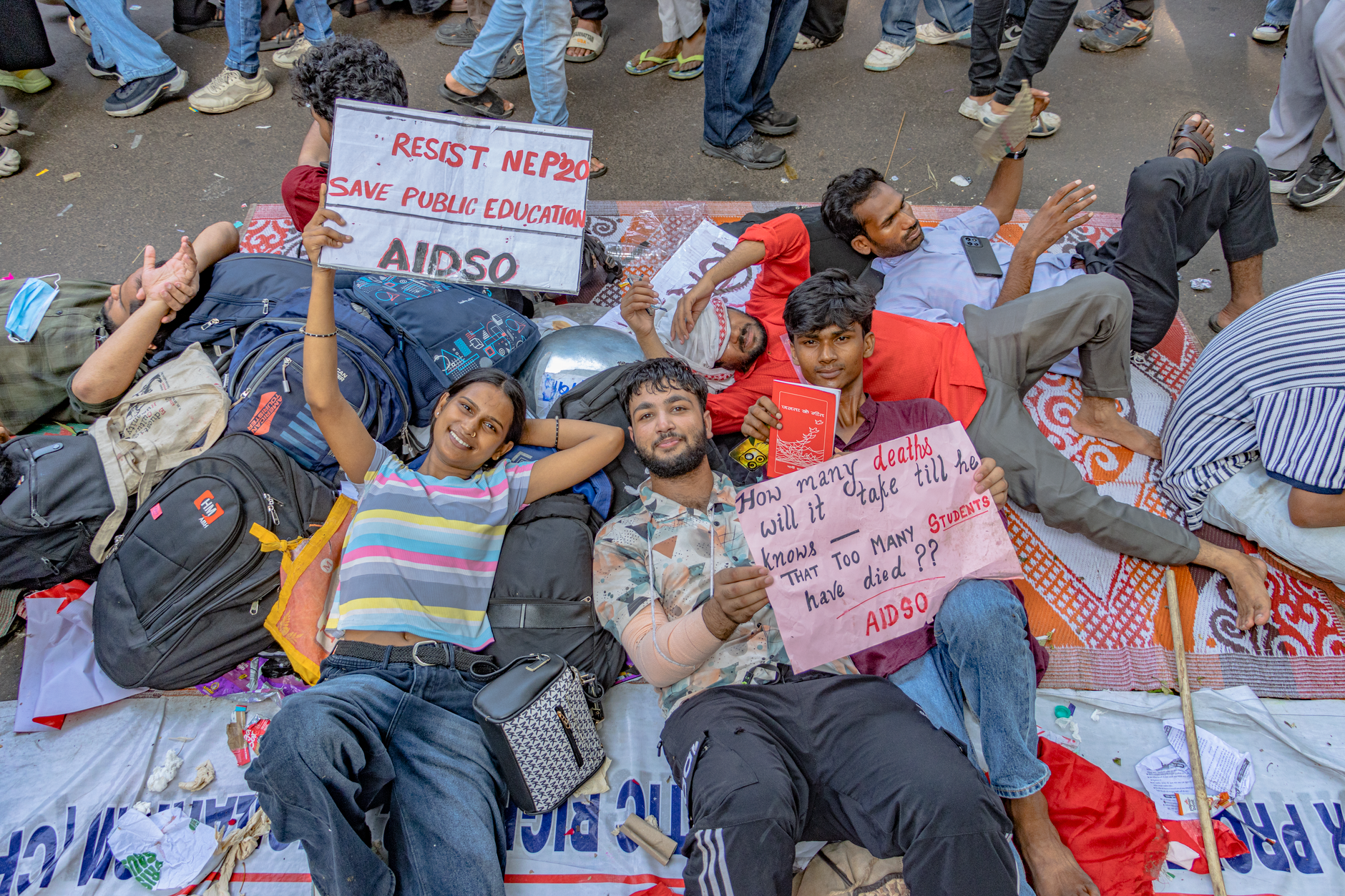
India's younger generation has found a peculiar but powerful way to express their discontent with the current state of education and employment opportunities. The so-called 'Cockroach' movement, emerging from social media and college campuses, represents a significant challenge to the government's narrative of progress and development.
Understanding the Cockroach Movement
The movement draws its name from a self-deprecating comparison that resonates with millions of young Indians. Like cockroaches that survive in harsh conditions despite being unwanted, educated youth feel they are forced to persist in an economy that doesn't value their qualifications. The metaphor speaks to the resilience required to navigate India's competitive job market while facing systemic barriers.
This label has been embraced by students and recent graduates who feel their education has not translated into meaningful employment opportunities. The movement gained traction on platforms like Twitter, Instagram, and LinkedIn, where young professionals share stories of applying to hundreds of jobs, facing unpaid internships, and settling for positions far below their qualifications.
The Education-Employment Gap Crisis
India's education system produces millions of graduates annually, but the job market hasn't kept pace. Engineering colleges alone produce over 1.5 million graduates each year, yet studies suggest that a significant percentage lack employable skills despite holding degrees.
Several factors contribute to this disconnect:
- Outdated curricula that don't align with industry requirements
- Emphasis on rote learning rather than practical skills and critical thinking
- Oversupply of graduates in certain fields like engineering and management
- Limited quality control across thousands of private colleges
- Insufficient focus on vocational and skill-based training
The result is a generation of educated but underemployed or unemployed youth, many carrying student debt or family obligations. This situation creates frustration that the Cockroach movement channels into political awareness.
Why This Matters for Political Leadership
For any government, youth discontent represents a significant political challenge. India's demographic dividend—its large young population—was supposed to be an economic advantage. However, without adequate job creation, this dividend risks becoming a demographic liability.
The movement worries political leadership for several reasons. First, educated unemployed youth are articulate, connected through social media, and capable of mobilizing quickly. They can shape public opinion and influence electoral outcomes, particularly in urban and semi-urban constituencies.
Second, the movement highlights a gap between government statistics showing economic growth and the lived reality of young job seekers. When official unemployment figures clash with personal experiences of prolonged job searches, it erodes trust in institutions and official narratives.
Third, the self-deprecating yet defiant nature of the Cockroach label demonstrates a shift in political consciousness. Rather than aspiring to traditional markers of success, young Indians are collectively acknowledging systemic failures and demanding accountability.
The Broader Implications for Education Policy
This movement puts pressure on education reforms that have been discussed but slowly implemented. There's growing demand for:
- Industry-aligned skill development programs
- Quality assurance mechanisms for higher education institutions
- Greater investment in research and innovation infrastructure
- Expansion of apprenticeship and practical training opportunities
- Reforms in competitive examination systems
Additionally, the movement highlights the need for honest conversations about degree inflation and the value of alternative career paths. Not every student needs a traditional four-year degree, yet societal pressures and limited vocational training options push millions toward conventional college education.
The International Context
India's situation isn't unique globally, but its scale is unprecedented. Countries from Spain to South Korea have faced similar challenges with educated unemployment. However, India's sheer numbers—with the world's largest youth population—make the stakes particularly high.
The movement also reflects global trends of youth activism around economic justice. Like movements elsewhere, India's Cockroach movement uses humor and social media savvy to build solidarity and maintain visibility.
Looking Forward
The Cockroach movement represents more than temporary frustration; it signals a fundamental questioning of the social contract around education. For decades, families invested heavily in education with the expectation of stable employment and upward mobility. When that promise appears broken, political and social consequences follow.
Addressing these concerns requires coordinated efforts across education reform, job creation, skill development, and economic policy. Whether current leadership can respond effectively to these demands will likely influence India's political landscape and economic trajectory for years to come.
The movement's ultimate impact depends on whether it can translate online discontent into sustained pressure for policy changes that create genuine opportunities for India's educated youth.