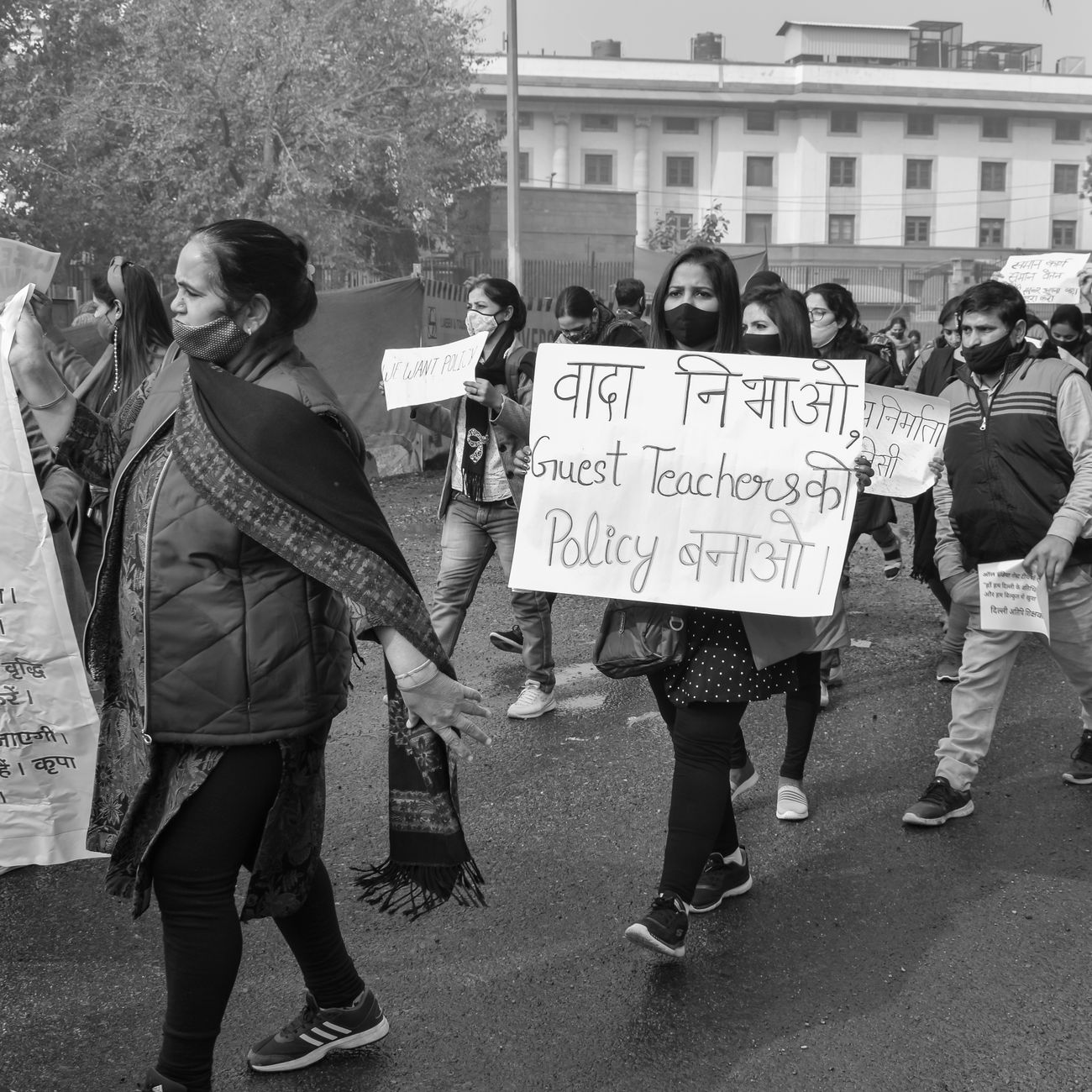
India's student community has emerged as one of the country's most active and effective protest movements in recent years. From examination controversies to admission policy changes, young Indians are demonstrating a newfound willingness to challenge government decisions that affect their academic futures. While authorities have rolled back several contentious policies in response to student pressure, protesters argue that reactive damage control is no substitute for genuine consultation and reform.
The Pattern of Policy and Protest
The cycle has become familiar: education authorities announce a new policy or examination format, students mobilize through social media and street demonstrations, and officials eventually backtrack or modify their stance. This pattern has repeated itself across multiple issues, from competitive exam paper leaks to sudden changes in eligibility criteria for professional courses.
What makes these protests significant is their scale and organization. Students are leveraging digital platforms to coordinate nationwide campaigns, fact-check official statements, and maintain pressure on decision-makers. The movement cuts across economic classes and geographic regions, uniting urban and rural students who share common frustrations with India's education bureaucracy.
Beyond Immediate Grievances
Student activists insist their demands extend far beyond reversing individual policies. They are calling for fundamental changes in how educational decisions are made in India, including:
- Mandatory consultation periods before implementing major policy changes
- Greater transparency in examination processes and paper-setting
- Student representation on education policy committees
- Realistic timelines that allow adequate preparation for new formats or syllabi
- Accountability mechanisms when officials make errors affecting millions of students
The emphasis on procedural reform reflects a maturing protest movement that recognizes systemic issues rather than isolated incidents. Young Indians increasingly view education governance as something they have a stake in, not merely something done to them by distant bureaucrats.
The Trust Deficit
A recurring theme in student protests is the erosion of trust in education authorities. When examination papers leak, when online systems crash during crucial application periods, or when policies change with minimal notice, students lose confidence in the system's ability to treat them fairly.
This trust deficit is compounded by what protesters describe as a dismissive attitude from officials. Initial responses to student concerns often downplay problems or deflect responsibility, only for authorities to reverse course when protests intensify. This pattern creates a sense that officials only listen when forced to do so, rather than viewing students as legitimate stakeholders.
The Generational Shift
Today's student protesters differ markedly from previous generations in their willingness to challenge authority publicly. Several factors contribute to this shift:
Social media has democratized information and coordination, allowing students to organize rapidly and share experiences across regions. A single examination irregularity in one state becomes national news within hours, creating collective awareness that isolated incidents are often systemic problems.
Economic anxiety also plays a role. With India's competitive job market and limited seats in prestigious institutions, students view education policies as directly affecting their life prospects. What officials might consider minor administrative adjustments can feel like threats to career trajectories, intensifying the emotional stakes of policy debates.
Additionally, this generation has grown up witnessing various social movements leverage protest to achieve change. They apply lessons from other successful campaigns to education activism, understanding that sustained pressure and media attention can shift official positions.
What Students Want Going Forward
Beyond rolling back controversial policies, student groups are articulating a vision for education governance that prioritizes consultation, transparency, and accountability. They want advance notice of changes, opportunities to provide feedback, and clear explanations when policies must shift due to unforeseen circumstances.
Students are also demanding investment in infrastructure—digital and physical—that can handle the scale of India's education system. Repeated technical failures during examinations and applications suggest that authorities are not allocating adequate resources to match their policy ambitions.
Perhaps most fundamentally, young Indians want recognition as stakeholders rather than passive recipients of education policy. They argue that decisions affecting millions of students should involve those students in meaningful ways, not merely announce fait accompli and expect compliance.
The Road Ahead
Whether India's education establishment will embrace genuine consultation or continue responding reactively to protests remains unclear. Student activists have shown they can force policy reversals, but translating protest victories into institutional change requires sustained engagement beyond individual controversies.
What seems certain is that India's young people will continue demanding better from their education system. Having tasted success in challenging official decisions, they are unlikely to return to quiet acceptance of policies they view as poorly conceived or unfairly implemented.