The global tourism industry is witnessing a fundamental transformation as travelers increasingly prioritize authentic, immersive experiences over traditional sightseeing tours. This shift toward experiential travel represents a significant opportunity for destinations that can offer genuine cultural connections, and India stands uniquely positioned to capitalize on this trend.
Understanding Experiential Travel
Experiential travel moves beyond passive observation to active participation. Rather than simply visiting monuments or taking photographs at famous landmarks, modern travelers seek meaningful interactions with local communities, hands-on cultural activities, and opportunities to learn traditional skills. This might include cooking regional dishes with local families, participating in village festivals, learning ancient crafts from artisans, or staying in heritage properties that offer insights into historical lifestyles.
The demographic driving this change consists primarily of millennials and Gen Z travelers who value authentic connections and Instagram-worthy moments that tell personal stories. These travelers are willing to pay premium prices for unique experiences that cannot be replicated elsewhere, creating substantial revenue opportunities for destinations that can deliver genuine cultural engagement.
India's Competitive Advantages
India possesses several inherent strengths that align perfectly with experiential travel demands. The country's extraordinary cultural diversity spanning 28 states and 8 union territories means each region offers distinct traditions, cuisines, languages, festivals, and artistic expressions. This variety ensures travelers can have completely different experiences within a single country.
The nation's living heritage sets it apart from many competitors. Unlike destinations where historical culture exists primarily in museums, India's ancient traditions remain vibrant and practiced daily. Travelers can witness centuries-old crafts like handloom weaving, pottery, block printing, and metalwork created using traditional methods passed through generations. They can participate in rituals and ceremonies that have remained largely unchanged for millennia.
Key Experiential Offerings
Several categories of experiential travel hold particular promise for India's tourism sector. Culinary tourism represents enormous potential, with opportunities ranging from spice plantation tours in Kerala to street food walks in Delhi, cooking classes in Rajasthan, and tea estate visits in Darjeeling. Regional cuisines vary dramatically across the country, offering endless exploration possibilities.
Wellness and spiritual tourism builds on India's reputation as the birthplace of yoga and Ayurveda. Travelers seeking authentic wellness experiences can study yoga in Rishikesh, undergo traditional Ayurvedic treatments in Kerala, or participate in meditation retreats in Buddhist monasteries across Ladakh and Sikkim.
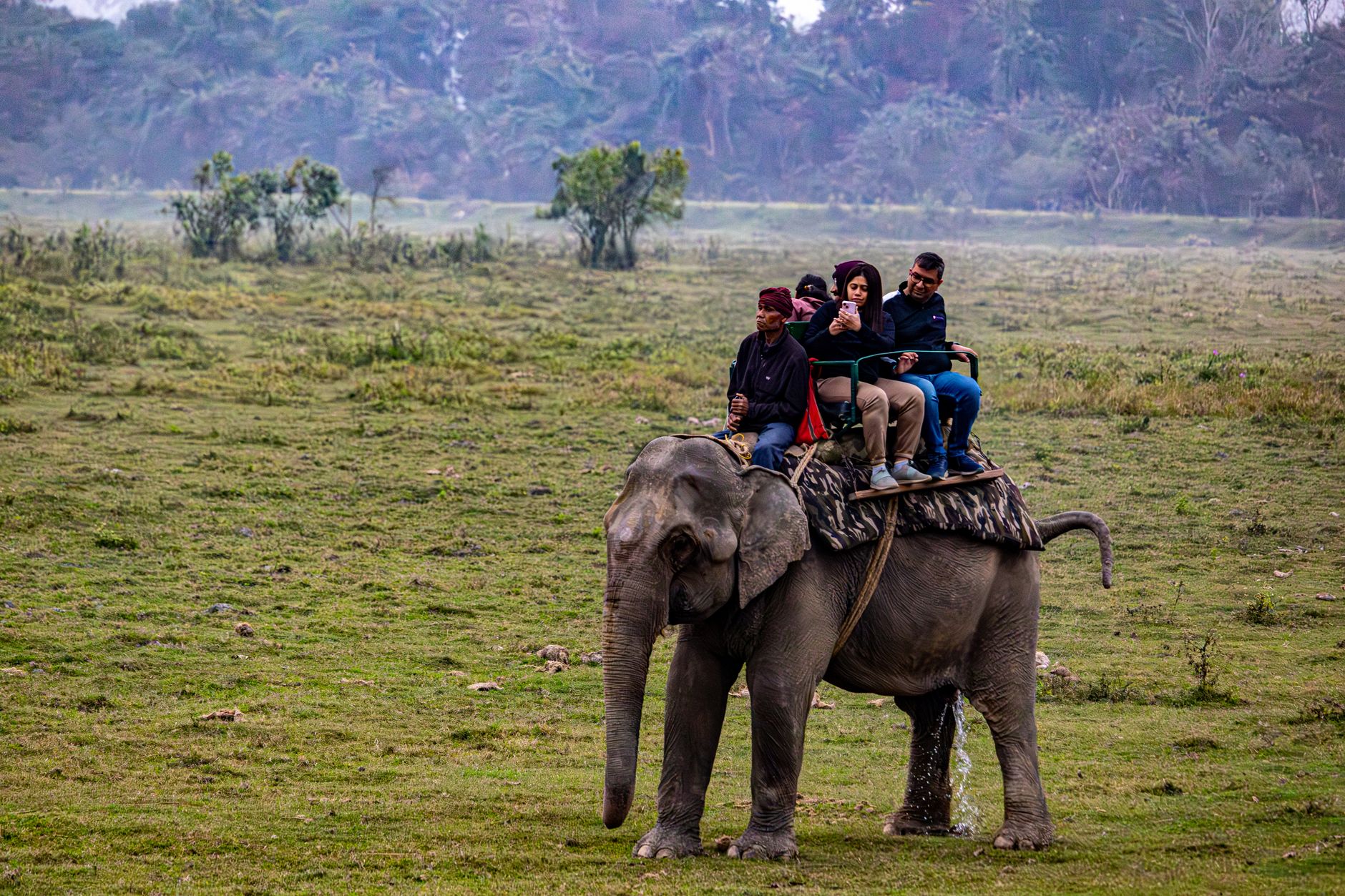
Adventure and nature experiences combine India's diverse landscapes with cultural elements. Trekking in the Himalayas with local guides, wildlife safaris that support conservation efforts, and homestays in remote villages offer combinations of natural beauty and cultural immersion.
Heritage and craft tourism allows visitors to engage directly with India's artistic traditions. Travelers can learn block printing in Jaipur, observe Madhubani painting in Bihar, try their hand at pottery in Khurja, or understand silk weaving in Varanasi while interacting directly with master craftspeople.
Infrastructure and Development Needs
Despite these advantages, capturing the experiential travel market requires addressing certain infrastructure and service gaps. Improved connectivity to rural and remote destinations through better roads, airports, and transportation options would make experiential offerings more accessible.
Training local communities in hospitality standards, language skills, and cultural sensitivity ensures authentic experiences are delivered professionally. Many villages and small towns possess rich cultural assets but lack the capacity to host international travelers comfortably.
Digital infrastructure including reliable internet connectivity and online booking platforms helps smaller experiential travel providers reach global markets. Many authentic experiences remain undiscovered because they lack digital presence.
Economic Impact Potential
The experiential travel segment typically generates higher per-tourist spending than conventional tourism. Travelers seeking unique experiences stay longer, spend more on specialized activities, and distribute their expenditure across wider geographic areas rather than concentrating in major cities. This creates employment and income opportunities in rural areas where traditional tourism has less impact.
By developing experiential travel offerings, India can extend tourism benefits to communities that have historically seen little economic gain from the sector. Artisans, farmers, homestay operators, and local guides become direct beneficiaries rather than peripheral participants.
The Path Forward
Successfully capturing this market requires coordinated efforts between government bodies, tourism operators, and local communities. Marketing campaigns must shift from showcasing monuments to highlighting authentic experiences. Policies should encourage community-based tourism initiatives while maintaining quality standards. Investment in rural infrastructure and capacity building will unlock regions currently inaccessible to most travelers.
As global tourism continues evolving toward meaningful experiences over superficial attractions, India's combination of cultural richness, living traditions, and geographic diversity creates a compelling value proposition. The question is not whether India can benefit from experiential travel's growth, but how quickly it can develop the infrastructure and partnerships needed to realize this potential fully.