Israel is making a concerted push to attract Indian tourists back to the Holy Land, with officials expressing confidence that visitor numbers from India will return to pre-war levels by 2027. This optimistic projection comes as both nations work to strengthen travel corridors and deepen cultural exchange despite recent regional conflicts.
The Current State of Indo-Israel Tourism
Before the outbreak of hostilities in October 2023, India had emerged as one of Israel's fastest-growing tourist markets. Indian travellers were increasingly drawn to Israel's religious sites, Mediterranean beaches, and vibrant cities like Tel Aviv and Jerusalem. The conflict, however, brought international tourism to a near standstill, with many countries issuing travel advisories and airlines suspending flights.
Indian tourist arrivals to Israel had been climbing steadily in the years preceding the conflict, driven by improved bilateral relations, direct flights between major cities, and growing awareness of Israel as a diverse destination beyond its religious significance. Young Indian travellers particularly embraced Israel's reputation for innovation, nightlife, and adventure tourism opportunities in the Negev Desert and along the Dead Sea.
Strategies to Rebuild Tourism Links
Israeli tourism authorities are implementing several measures to expedite the recovery of Indian tourist traffic. These include streamlined visa processes, targeted marketing campaigns in Indian cities, and partnerships with Indian travel agencies to create customized tour packages.
The visa application process is being simplified with faster processing times and potentially extended validity periods for Indian passport holders. Israel recognizes that hassle-free entry procedures are crucial for attracting discretionary travellers who have multiple destination options.
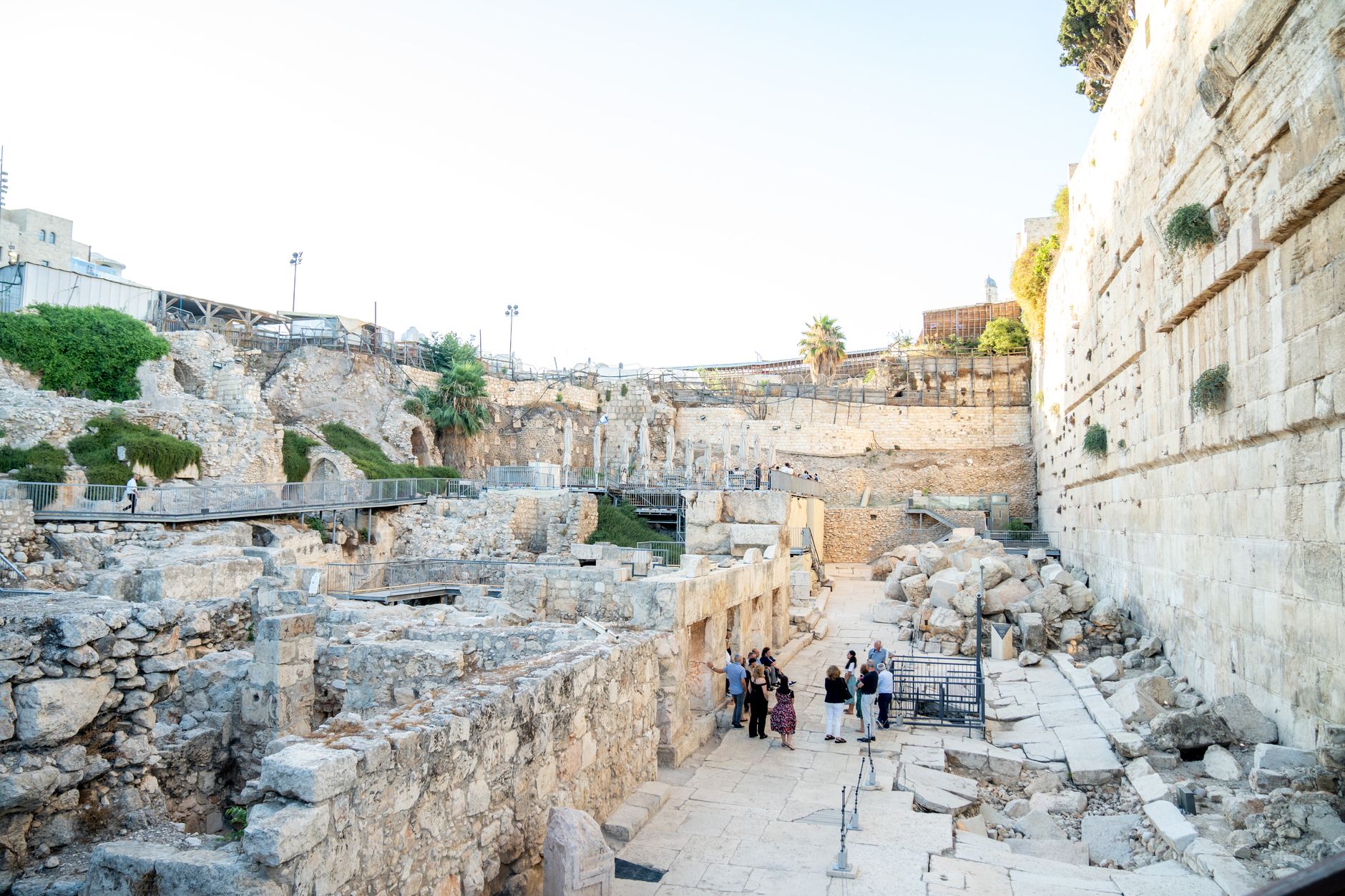
Marketing efforts are focusing on India's growing middle class and millennial travellers who seek unique experiences. Campaigns highlight Israel's diverse offerings, from the ancient streets of Jerusalem's Old City to the modern startup culture of Tel Aviv, often dubbed the "Mediterranean's coolest city."
Bilateral Relations Bolstering Travel
The push to restore tourism numbers is supported by strengthening diplomatic and economic ties between India and Israel. Over the past decade, the relationship between the two nations has deepened significantly, encompassing defence cooperation, agricultural technology exchange, and cultural programs.
Direct flight connectivity plays a vital role in tourism numbers. Indian carriers and Israeli airlines have previously operated multiple weekly flights between cities like Delhi, Mumbai, and Bengaluru to Tel Aviv. Restoring and potentially expanding these routes will be essential to achieving the 2027 target.
Challenges on the Horizon
Despite the optimism, several challenges remain. Security concerns continue to influence travel decisions, and potential tourists may require sustained periods of stability before committing to bookings. Travel insurance costs for the region may also remain elevated, adding to trip expenses.
Competition from other destinations vying for Indian tourists has intensified. Countries in Southeast Asia, Europe, and the Middle East are all pursuing Indian travellers aggressively, offering visa-free entry or visas on arrival in many cases.
Economic factors within India also play a role. Currency fluctuations, airfare costs, and overall economic conditions affect Indians' ability and willingness to undertake international trips, particularly to distant destinations.
What Indian Travellers Seek in Israel
Understanding traveller preferences will be key to Israel's success. Indian tourists typically seek destinations that offer religious significance, historical depth, and good value for money. Israel scores well on the first two counts, with sites sacred to multiple faiths and millennia of history.
Many Indian Jewish community members maintain connections to Israel, creating a dedicated segment of heritage tourism. Additionally, Christian pilgrims from India form a significant portion of religious tourists visiting sites in Jerusalem, Bethlehem, and Nazareth.
The younger demographic seeks different experiences, including beach holidays, wellness tourism around the Dead Sea's mineral-rich waters, hiking in national parks, and experiencing Israel's renowned food scene and nightlife.
Looking Ahead to 2027
Achieving pre-war tourist numbers by 2027 represents an ambitious but potentially achievable goal if regional stability holds and both governments continue prioritizing tourism development. Success will require coordinated efforts across multiple sectors, from aviation and hospitality to marketing and diplomatic relations.
For Indian travellers, a resurgent Israel tourism sector could mean more flight options, competitive pricing, and enhanced travel experiences as the destination rebuilds its tourism infrastructure with lessons learned from the disruption.