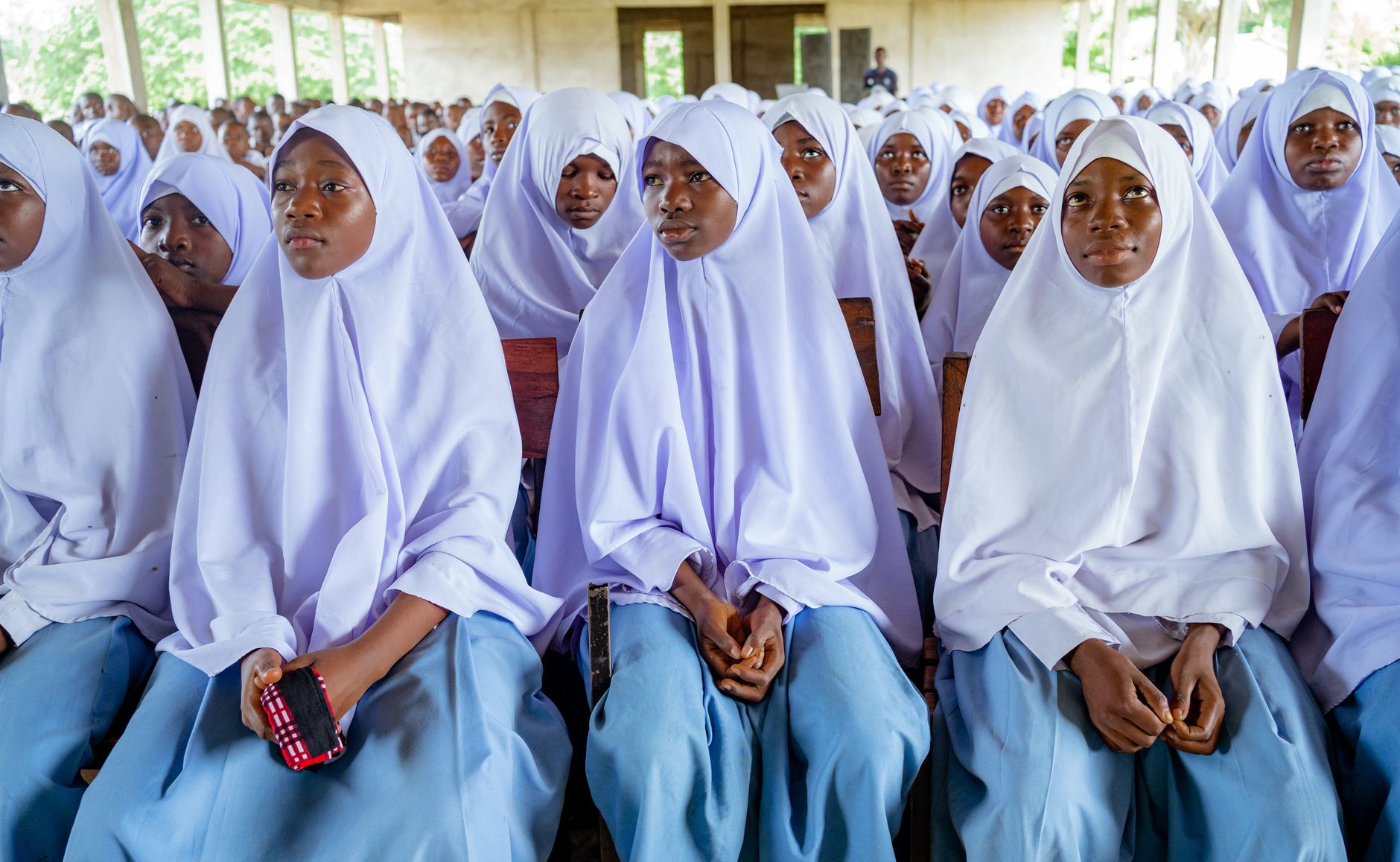
India's education landscape presents a puzzling contradiction. Classrooms across the country are fuller than they have been in decades, with near-universal enrolment in primary schools and significant improvements in access to secondary education. Yet beneath these encouraging statistics lies a troubling reality: approximately eight percent of girls continue to drop out of school before reaching Class 10, representing hundreds of thousands of young women whose education journeys end prematurely each year.
The Enrolment vs Retention Gap
Getting children into school and keeping them there are two fundamentally different challenges. India has made remarkable progress on the first front, with initiatives like the Right to Education Act, mid-day meal schemes, and free textbook distribution helping push enrolment rates above 95 percent in many states. However, enrolment figures capture only a moment in time—the number of students registered at the start of an academic year—while dropout rates reveal the harder truth of how many students actually complete their education.
The eight percent dropout rate for girls before Class 10 might seem modest compared to historical figures, but in a country with India's population, this translates to millions of young women. More concerning is that this figure represents those who formally leave the system; it does not account for students who remain enrolled but attend irregularly or have effectively disengaged from learning.
Economic Pressures and Opportunity Costs
Financial constraints remain the primary driver of girl child dropouts, particularly in rural and economically disadvantaged communities. As children grow older, the opportunity cost of keeping them in school increases. Families facing economic hardship often need their daughters to contribute to household income through work or to take on domestic responsibilities while parents earn wages.
The transition to secondary school typically coincides with adolescence, when girls may be expected to care for younger siblings, assist with agricultural work, or contribute to family enterprises. In many households, the immediate economic benefit of a daughter's labour outweighs the perceived long-term value of her education, especially when employment opportunities for educated women remain limited in their communities.
Distance and Infrastructure Challenges
While primary schools are now widely available across India, secondary schools remain more sparsely distributed, particularly in rural areas. The distance to school becomes a significant barrier as children grow older and safety concerns intensify, especially for girls approaching or entering adolescence.
- Long commutes increase vulnerability to harassment and assault
- Lack of safe transportation options discourages parents from sending daughters to distant schools
- Inadequate sanitation facilities, particularly the absence of functional separate toilets for girls, makes attending school during menstruation difficult
- Poor infrastructure in secondary schools creates an unwelcoming environment that fails to retain students
Early Marriage and Social Expectations
Despite legal prohibitions and awareness campaigns, child marriage continues to truncate educational opportunities for girls. The practice remains prevalent in certain regions and communities, where marriage is viewed as more important than education for girls. Once married, girls typically leave school permanently, even when marriages are not immediately consummated.
Social expectations around gender roles also contribute to dropout rates. In communities where women's primary role is seen as domestic, investing in a daughter's education beyond basic literacy may be considered unnecessary or even inappropriate. These attitudes, though gradually changing, persist in influencing family decisions about girls' schooling.
Quality and Relevance Concerns
Even when access is not the issue, the quality and perceived relevance of education affects retention. Students who struggle academically due to poor teaching, overcrowded classrooms, or inadequate learning support are more likely to drop out. For girls who face additional barriers, the threshold for disengagement is lower.
The curriculum's perceived disconnection from real-world opportunities also matters. When families see limited employment prospects for educated daughters in their communities, continuing education feels less essential, particularly when compared to acquiring practical skills or earning income.
Breaking the Cycle
Addressing dropout rates requires interventions that go beyond enrolment drives. Financial incentives like scholarships and conditional cash transfers have shown promise in keeping girls in school longer. Improving infrastructure, particularly sanitation facilities and safe transportation, addresses practical barriers. Community engagement programs that challenge gender norms and demonstrate the value of girls' education can shift attitudes gradually.
Bridging the gap between classroom access and educational completion remains one of India's most pressing development challenges, requiring sustained attention to the complex factors that pull girls away from school even as doors open wider than ever before.