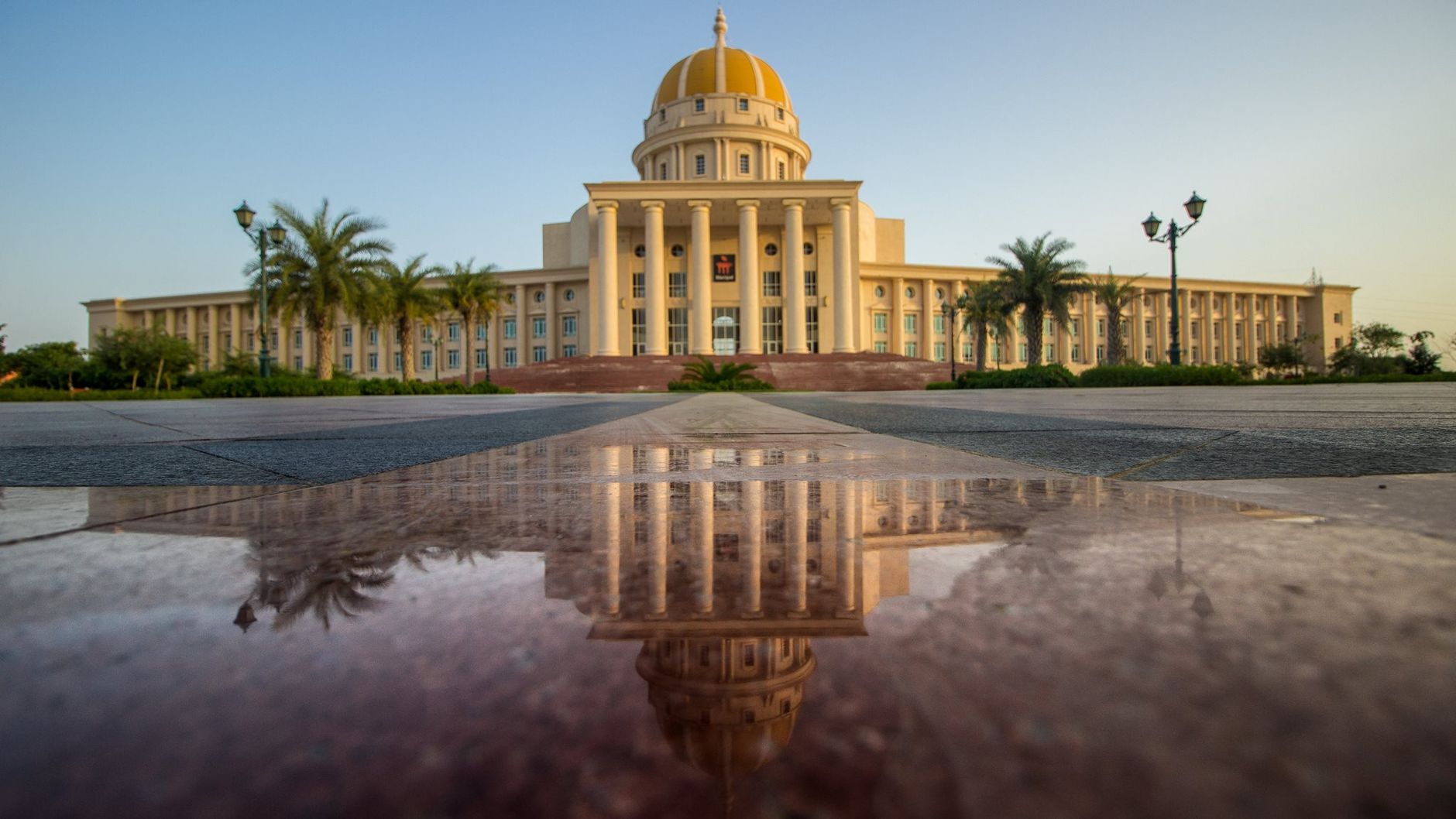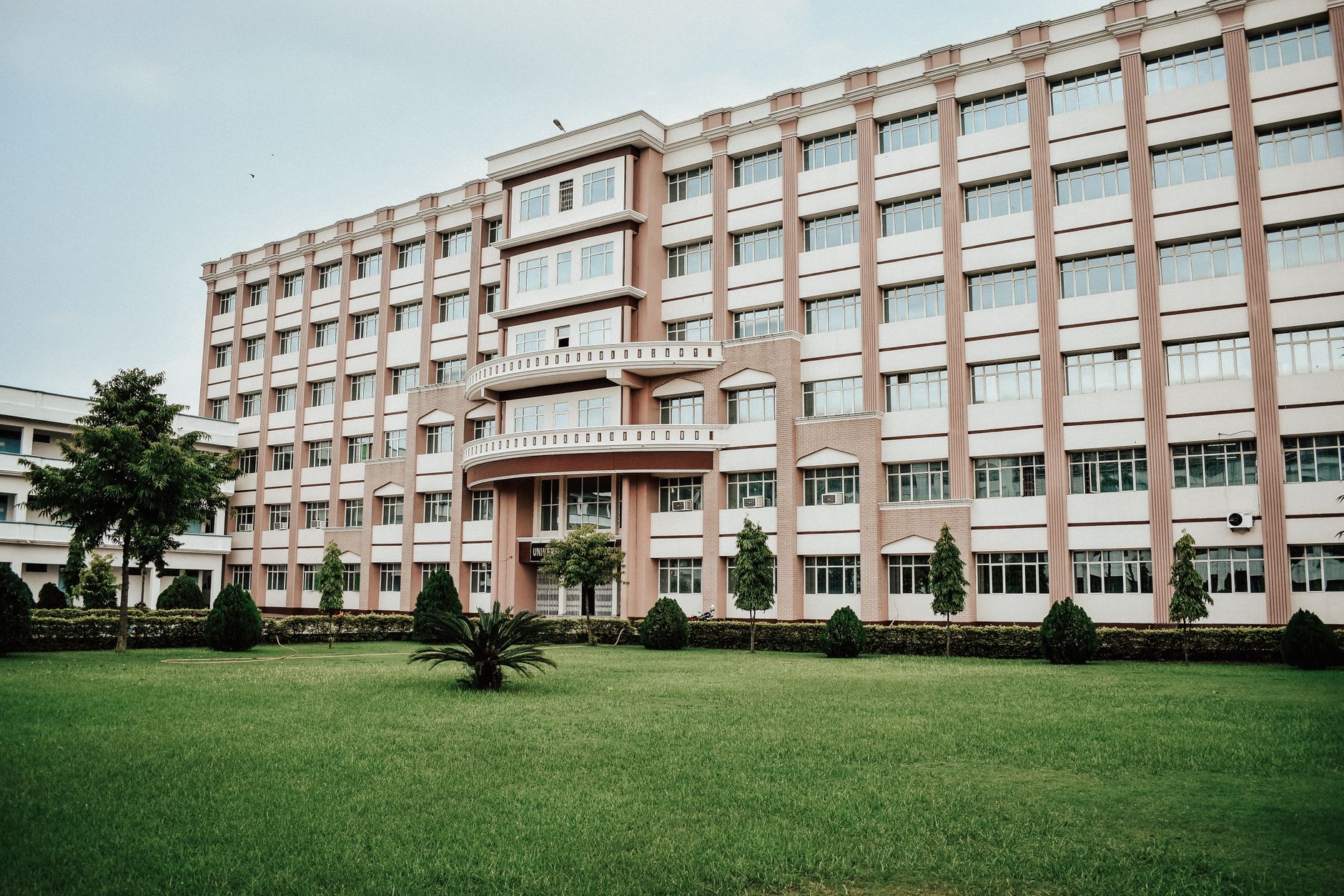
Aligarh Muslim University, one of India's premier educational institutions, has found itself at the centre of a heated controversy after reports emerged of government-initiated demolition activities on campus. The university, founded in 1875 by Sir Syed Ahmad Khan, serves over 28,000 students and holds significant historical and cultural importance in India's educational landscape.
Background of Aligarh Muslim University
Aligarh Muslim University began as the Muhammadan Anglo-Oriental College, established by Sir Syed Ahmad Khan with the vision of providing modern education to Indian Muslims while preserving their cultural identity. The institution was granted university status in 1920 through an Act of Parliament and has since grown into a comprehensive residential university offering over 300 courses across various disciplines.
The university has produced numerous notable alumni, including former presidents, chief justices, diplomats, scientists, and literary figures. Its contribution to India's independence movement and subsequent nation-building has been widely recognized across political and academic circles.
The Current Controversy
Recent developments have brought the university into headlines as authorities reportedly initiated action to demolish certain structures on the sprawling 467-hectare campus. While specific details about which structures are targeted vary, the move has triggered widespread concern among students, alumni, faculty members, and civil society groups.
The controversy intersects with broader debates about university autonomy, minority educational institutions, and heritage preservation. Questions have been raised about the legal basis for such action, proper consultation with university authorities, and whether due process has been followed.
Legal and Constitutional Dimensions
Aligarh Muslim University operates under a special status granted by the Aligarh Muslim University Act. The institution's minority character has been a subject of legal debate for decades, with the matter currently pending before the Supreme Court of India.
The university administration and various stakeholders have raised concerns about whether demolition activities comply with established legal procedures. Educational institutions, particularly those of national importance, typically require extensive consultation and approval processes before any major structural changes can be implemented.
Heritage preservation laws also come into play, given that several campus buildings are over a century old and hold architectural and historical significance. Any demolition of such structures generally requires clearances from multiple authorities, including heritage committees.
Stakeholder Reactions
The development has prompted strong reactions from various quarters. Student unions have organized protests, arguing that any unilateral action undermines the university's autonomy and disrupts the academic environment. Alumni associations across the country have expressed solidarity, highlighting the emotional and historical connection millions share with the institution.
Political parties have taken varying positions, with some supporting the university's autonomy and others backing government actions as necessary for development or legal compliance. Academic bodies and civil society organizations have called for dialogue and transparent decision-making processes.
Broader Implications for Education
This controversy raises important questions about the relationship between government authorities and educational institutions in India. Universities, particularly those with constitutional protections as minority institutions, require careful balance between regulatory oversight and academic freedom.
The situation also highlights ongoing tensions around urban development, modernization, and heritage conservation on historic campuses. Many of India's oldest universities face similar challenges in maintaining aging infrastructure while preserving architectural heritage.
Educational Impact and Student Concerns
For current students, uncertainty around campus infrastructure creates additional stress beyond academic pressures. Residential universities like Aligarh Muslim University depend heavily on campus facilities for student accommodation, libraries, laboratories, and recreational spaces.
Any disruption to physical infrastructure can affect the quality of education and student life. Questions about future planning, alternative arrangements, and timelines for any proposed changes remain pressing concerns for the university community.
The Path Forward
Resolution of this controversy will likely require dialogue between multiple stakeholders, including government authorities, university administration, legal experts, and community representatives. Transparent communication about the reasons for any proposed demolition, legal compliance, and alternative plans would help address concerns.
The matter may also require judicial intervention if disputes about legal authority and procedural compliance cannot be resolved through negotiation. Given the university's national importance and the sensitivity of issues involved, careful handling will be essential to protect both the institution's future and the interests of its diverse stakeholders.
This situation serves as a reminder of the complex challenges facing India's historic educational institutions as they navigate between preservation and progress, autonomy and accountability, tradition and modernization in contemporary times.