India's job market is witnessing a significant geographical shift as tier-2 cities emerge as attractive destinations for skilled professionals seeking alternatives to the traditional metro hubs. This migration pattern reflects changing work dynamics, cost considerations, and evolving lifestyle preferences among Indian workers.
The Great Metro Exodus
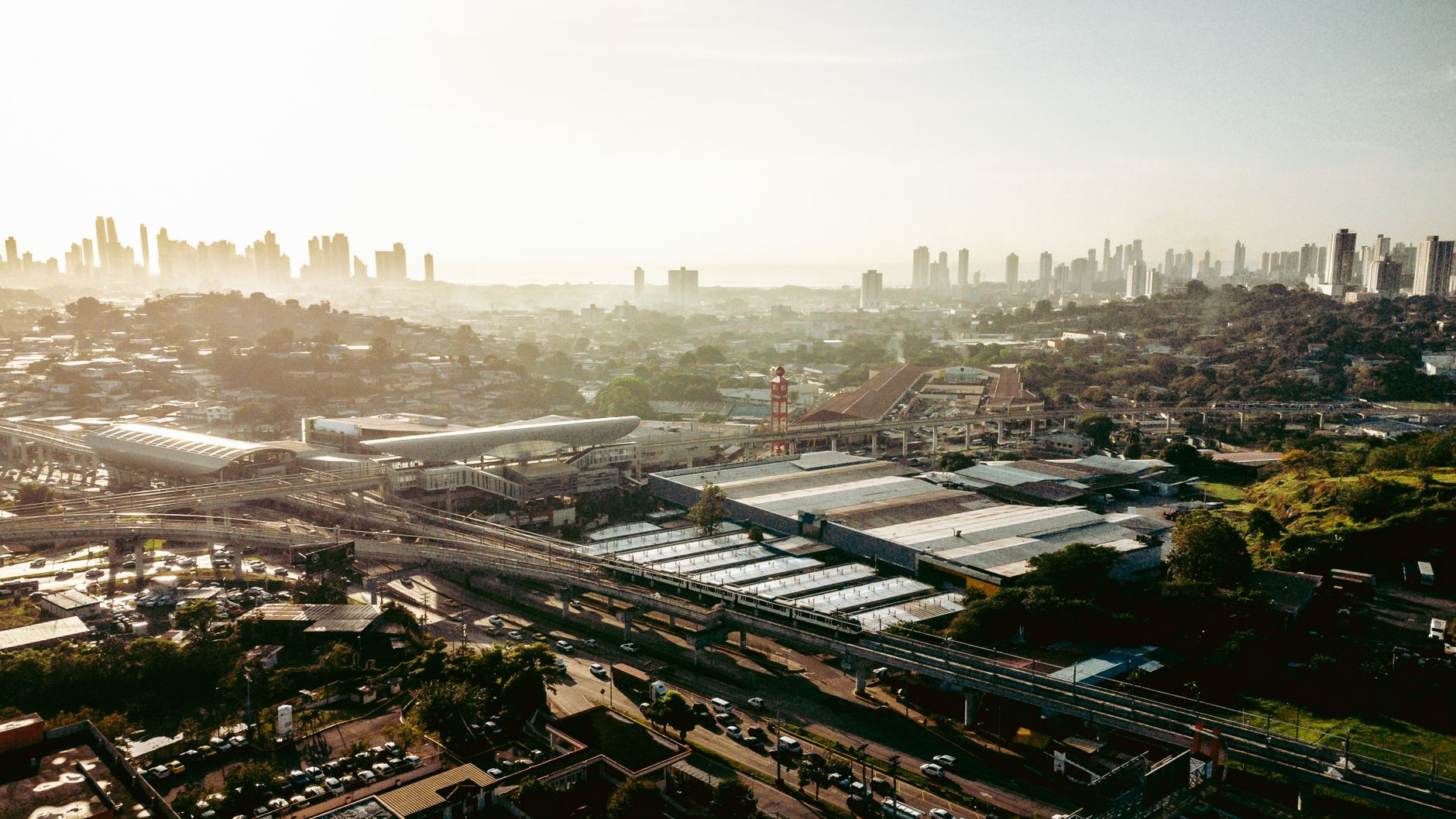
For decades, Bengaluru, Mumbai, and Delhi have served as magnets for ambitious professionals across sectors. However, mounting challenges in these cities are prompting many to reconsider their location choices. Skyrocketing real estate prices, crippling traffic congestion, deteriorating air quality, and the general stress of metropolitan life have reached tipping points for numerous workers and their families.
The COVID-19 pandemic accelerated this trend by normalizing remote work and demonstrating that productivity need not be tied to specific locations. Many professionals who temporarily relocated during lockdowns discovered they could maintain their careers while enjoying improved living conditions elsewhere.
Rising Stars Among Tier-2 Cities
Cities like Pune, Ahmedabad, Jaipur, Chandigarh, Coimbatore, Indore, Kochi, and Visakhapatnam are experiencing notable job growth across various sectors. These locations offer compelling advantages that increasingly outweigh the traditional prestige of metro employment.
Key factors driving this shift include:
- Lower cost of living, particularly housing expenses that can be 40-60% less than metro rates
- Reduced commute times with less traffic congestion
- Better air quality and overall environmental conditions
- Proximity to family and cultural roots for many professionals
- Emerging infrastructure development and improved connectivity
- Growing startup ecosystems and branch offices of major corporations
Sectors Leading the Decentralization
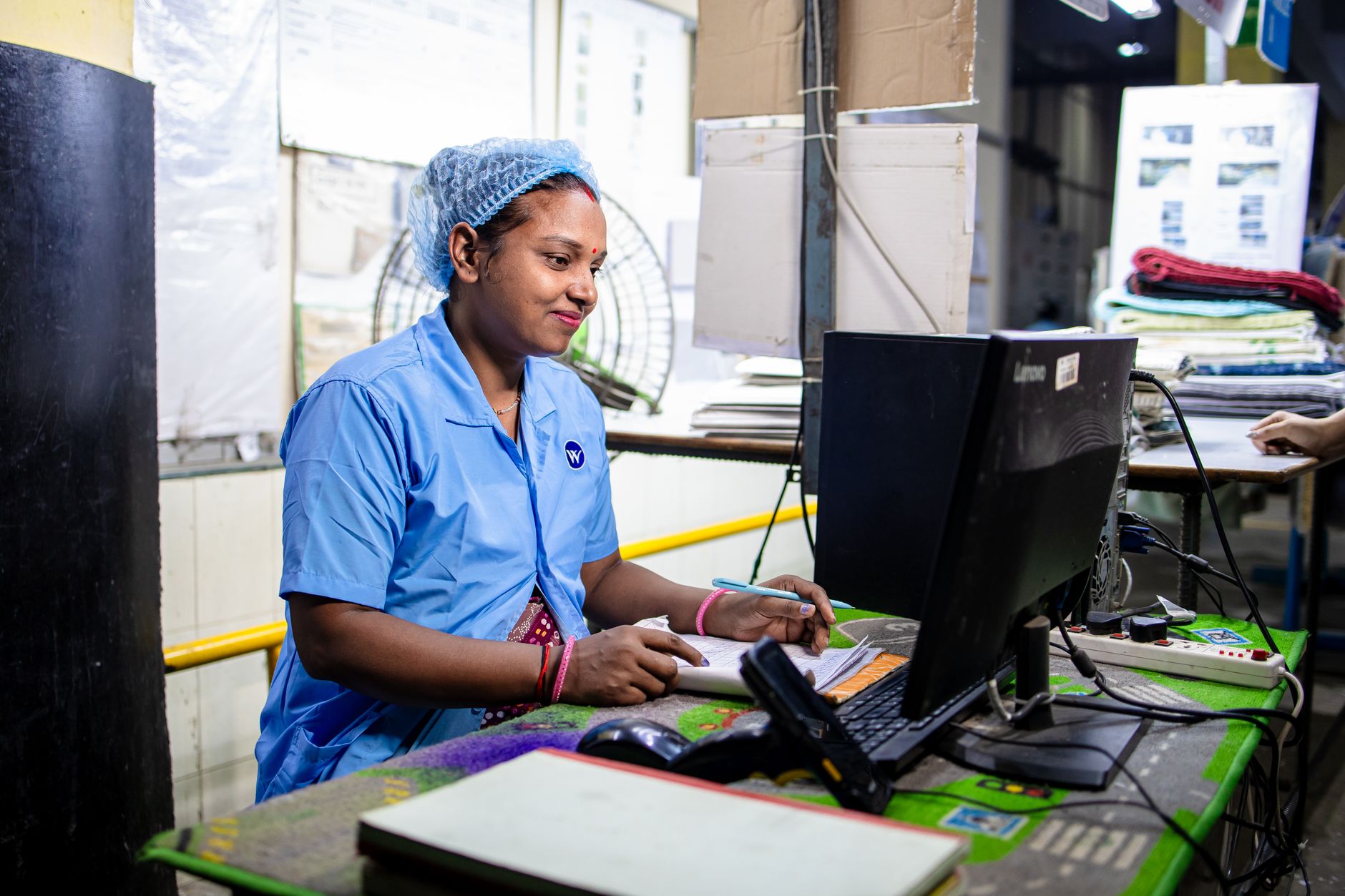
Information technology continues to spearhead this geographical diversification. Major IT companies have established development centers in tier-2 cities, recognizing the availability of quality talent at competitive costs. Cities like Pune and Ahmedabad now house substantial IT workforces serving global clients.
Manufacturing and industrial sectors have long maintained presence in tier-2 locations, and they're now expanding white-collar positions in engineering, supply chain management, and operations. The government's push for industrial corridors outside major metros has further boosted this trend.
E-commerce and digital services companies are setting up fulfillment centers, customer service operations, and logistics hubs in smaller cities to be closer to growing consumer markets beyond metros. This creates diverse employment opportunities from warehouse management to last-mile delivery coordination.
Education, healthcare, and professional services are also expanding in tier-2 cities as local demand grows alongside population and prosperity increases.
Economic Implications
This redistribution of talent carries significant economic consequences. Tier-2 cities gain from increased consumer spending, higher tax revenues, and the multiplier effects of skilled professionals settling in their communities. Real estate markets in these cities are strengthening as demand rises for quality housing and commercial spaces.
For metro cities, the outflow presents challenges but also opportunities to address infrastructure deficits and urban planning issues with reduced population pressure. However, some sectors heavily concentrated in metros may face talent retention difficulties.
State governments in tier-2 locations are responding with improved infrastructure, better educational institutions, and startup incentives to attract and retain talent. This creates a positive feedback loop encouraging further migration and investment.
Challenges Remain
Despite growing appeal, tier-2 cities still face limitations. Professional networking opportunities, cultural amenities, international connectivity, and specialized healthcare facilities remain more robust in metros. Career advancement prospects in certain industries may still require eventual metro presence.
Infrastructure development, while improving, hasn't kept pace with population growth in some tier-2 cities, potentially creating the same problems that plague metros if not managed properly.
The Road Ahead
This trend appears sustainable rather than temporary. Hybrid work models allow professionals to balance tier-2 living with periodic metro visits. Improved digital connectivity enables seamless collaboration regardless of location.
Companies benefit from geographic diversification through reduced operational costs, access to untapped talent pools, and lower employee attrition driven by lifestyle dissatisfaction. Employees gain improved work-life balance and financial flexibility.
The coming years will likely see continued job growth in tier-2 cities as India's economic expansion becomes more geographically distributed. This shift promises more balanced regional development and opportunities for millions beyond the traditional metro corridor.