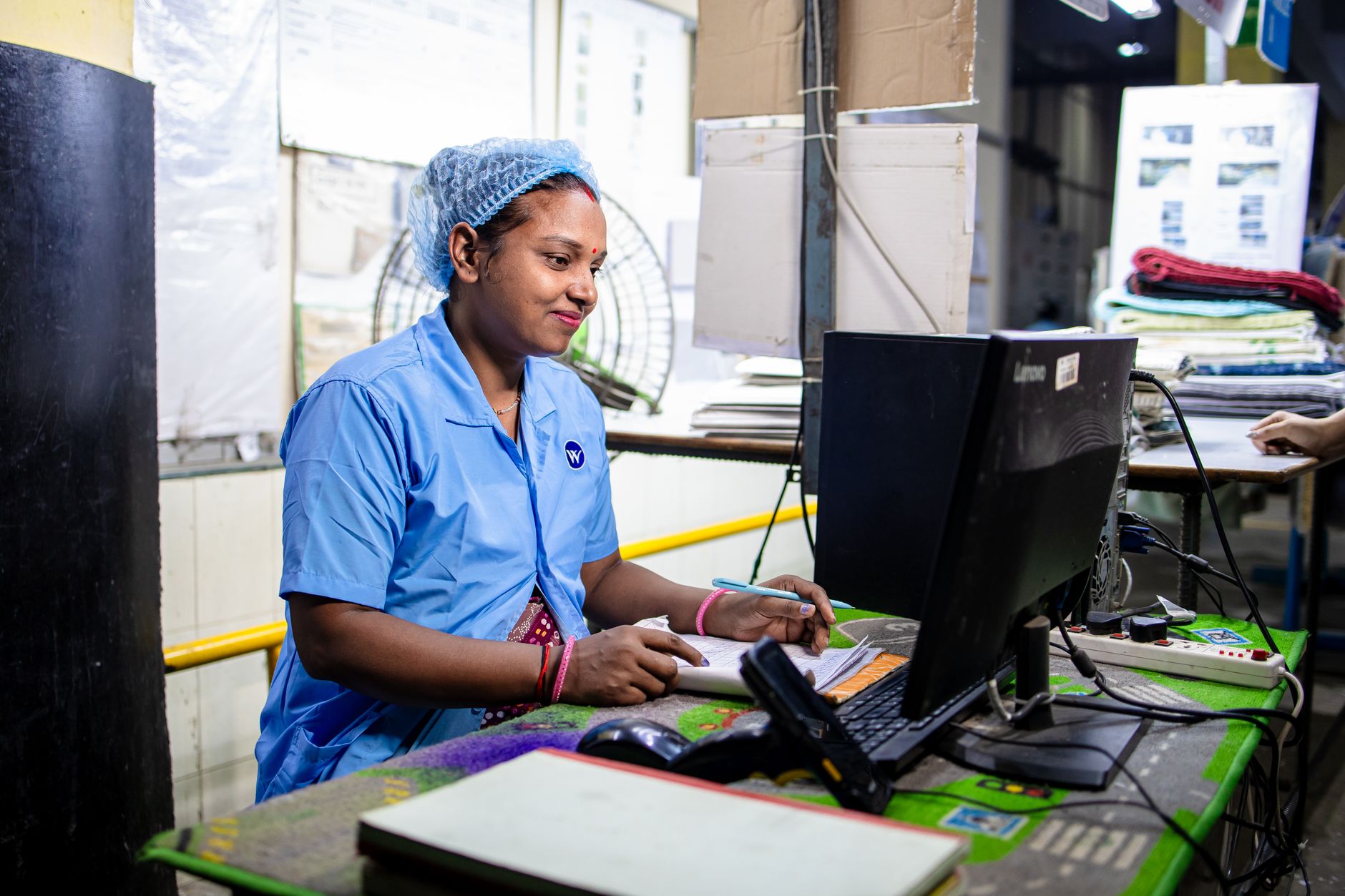
Indian corporate offices are witnessing a peculiar phenomenon. Fresh graduates join with enthusiasm, only to resign within months. Exit interviews reveal a pattern that has left HR departments scrambling: Generation Z employees have fundamentally different expectations from the workplace than their predecessors, and India Inc is struggling to adapt.
Who is Gen Z and Why Do They Matter?
Generation Z refers to individuals born roughly between 1997 and 2012, meaning the oldest are now in their mid-twenties and actively shaping the workforce. In India, this demographic represents approximately 472 million people, making them the largest generational cohort in the country. As millennials move into senior positions, Gen Z is becoming the primary talent pool for entry and mid-level positions across industries.
Unlike previous generations who entered a job market with limited options and high unemployment, many Gen Z workers have grown up during India's digital boom. They've witnessed the rise of startups, gig economy success stories, and influencers earning millions from their bedrooms. This exposure has dramatically altered their career expectations and risk appetite.
The Core Hiring Challenges
Indian companies report several recurring issues when hiring Gen Z employees. First, there's a significant expectation mismatch regarding work-life balance. While previous generations accepted 60-hour work weeks as standard in competitive industries, Gen Z candidates actively reject such arrangements. They prioritize mental health, personal time, and flexibility over traditional markers of career success.
Second, compensation discussions have become more complex. Gen Z employees are more likely to research industry standards, compare offers transparently with peers, and negotiate aggressively for better packages. They're less loyal to single employers and view job-hopping as a legitimate strategy for career advancement and salary growth.
Third, purpose-driven work matters more to this generation. They ask pointed questions about company values, environmental impact, and social responsibility during interviews. Organizations perceived as purely profit-driven or ethically questionable face difficulties attracting top Gen Z talent.
The Remote Work Divide
The pandemic introduced remote work to millions of Indians, and Gen Z employees entered the workforce during this transition. Many completed internships and secured first jobs entirely from home. Now, as companies mandate return-to-office policies, resistance is strongest among younger workers who question the necessity of commuting for tasks they've successfully completed remotely.
This creates a genuine dilemma for India Inc. Traditional management philosophies emphasize physical presence for training, mentorship, and culture-building. However, Gen Z employees view forced office attendance as a deal-breaker, leading to higher attrition rates in companies with strict in-office policies.
Technology and Communication Gaps
Ironically, while Gen Z is the most digitally native generation, their communication preferences sometimes clash with corporate norms. They favor instant messaging over emails, prefer quick video calls over long meetings, and expect rapid responses. Traditional hierarchical communication structures feel unnecessarily rigid to them.
Additionally, Gen Z employees expect companies to use modern, efficient tools. Organizations still relying on outdated software or manual processes are seen as behind the times, affecting employer brand perception among younger candidates.
Retention and Career Growth Concerns
Job stability no longer holds the same appeal it did for previous generations. Gen Z employees expect rapid career progression and will leave if they feel stagnant. The traditional model of spending three to five years proving yourself before promotion feels unacceptably slow to many younger workers.
Companies also struggle with providing meaningful work immediately. Gen Z employees don't want to spend years on mundane tasks before accessing interesting projects. They seek responsibility and impact early in their careers, which requires companies to rethink onboarding and development programs.
What Can Companies Do?
Indian organizations must adapt their hiring and retention strategies to remain competitive for Gen Z talent. This includes offering genuine flexibility, transparent career paths, competitive compensation with regular reviews, and creating inclusive cultures where young employees feel heard.
Mentorship programs need modernization too. Reverse mentoring, where younger employees teach senior staff about new technologies and trends, can bridge generational gaps while making Gen Z workers feel valued.
Companies should also communicate their purpose and values authentically. Superficial corporate social responsibility initiatives won't impress a generation that can instantly fact-check claims online.
The friction between Gen Z expectations and traditional Indian corporate culture represents a significant challenge, but also an opportunity. Organizations that successfully adapt will access a talented, tech-savvy workforce ready to drive innovation. Those that resist change risk becoming increasingly unable to compete for the best young talent in an already tight labor market.