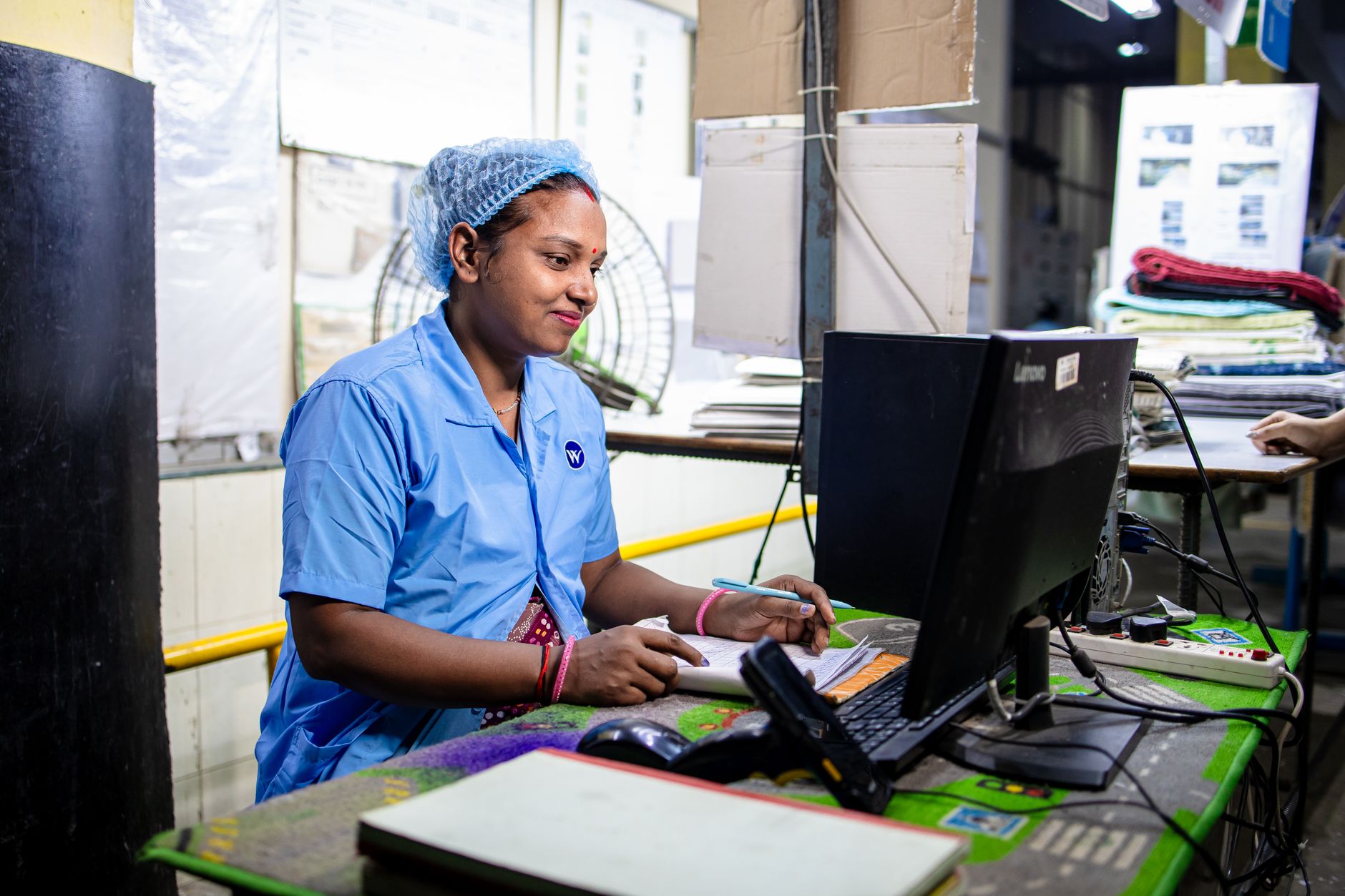
India's employment landscape is undergoing a significant transformation as tier-2 cities emerge as attractive destinations for skilled professionals and employers alike. Cities like Pune, Ahmedabad, Jaipur, Kochi, Chandigarh, Indore, and Coimbatore are experiencing a surge in job opportunities across sectors, reshaping traditional notions of career growth and urban migration.
The Great Urban Reversal
For decades, India's migration pattern was predictable: ambitious professionals flocked to metro cities for better career prospects. Today, that trend is reversing. Skilled workers are increasingly choosing to relocate or return to tier-2 cities, driven by mounting frustrations with metro life including crushing traffic, astronomical housing costs, and deteriorating air quality. The COVID-19 pandemic accelerated this shift by normalizing remote work and proving that productivity need not be tied to expensive office spaces in crowded metros.
Why Companies Are Expanding Beyond Metros
Businesses are following the talent and discovering compelling economic advantages in tier-2 locations. Real estate costs in these cities can be 50-70% lower than in metros, translating to significant savings on office infrastructure. Companies also benefit from lower salary expectations while still accessing skilled talent pools from nearby educational institutions and returning professionals.
Technology companies, IT services firms, and business process outsourcing operations are leading this geographic diversification. Startups particularly find tier-2 cities attractive for establishing development centers, customer support operations, and back-office functions. Traditional industries including manufacturing, pharmaceuticals, and automotive are also expanding their white-collar workforce in these emerging hubs.
Sectors Driving Job Growth
Several sectors are propelling employment expansion in tier-2 cities:
- Information Technology and software development, with many companies establishing satellite offices
- E-commerce and logistics, requiring widespread distribution networks
- Education technology and online learning platforms
- Healthcare and telemedicine services
- Financial services and fintech operations
- Manufacturing and engineering, particularly in industrial clusters
- Shared services and global capability centers
Quality of Life Advantages
Professionals relocating to tier-2 cities often report dramatic improvements in living standards. Housing that would cost upwards of 80 lakhs in Bengaluru might be available for 40-50 lakhs in cities like Indore or Jaipur. Commute times shrink from 90 minutes to 20 minutes, reclaiming valuable personal time. Access to family support systems, cultural familiarity, and stronger community connections also factor into relocation decisions.
These cities increasingly offer metro-like amenities including international schools, quality healthcare facilities, modern shopping centers, and entertainment options, without the overwhelming chaos of mega-cities.
Infrastructure and Government Support
State governments are actively courting businesses with attractive incentive packages, streamlined approvals, and dedicated industrial parks. Improved connectivity through better airports, highways, and digital infrastructure makes tier-2 cities increasingly viable for business operations. Cities like Ahmedabad, Pune, and Kochi now boast robust IT parks and special economic zones specifically designed to attract corporate investment.
Challenges Remain
Despite the positive momentum, tier-2 cities face certain limitations. The talent pool, while growing, remains smaller than in established metros. Specialized skills in emerging technologies may be harder to source locally. Professional networking opportunities and industry ecosystems are still developing. Some cities struggle with inconsistent infrastructure or bureaucratic hurdles that can complicate business operations.
The Remote Work Factor
Hybrid and remote work policies have fundamentally altered the equation. Many professionals now work for metro-based or international companies while living in tier-2 cities, enjoying metropolitan salaries with lower living costs. This arrangement offers the best of both worlds and has become increasingly common across industries where physical presence is not mandatory.
Future Outlook
The trend toward geographic diversification of India's job market appears sustainable. As tier-2 cities continue developing infrastructure and amenities, they become increasingly competitive with traditional metros. This distribution of economic opportunity could also help address regional imbalances and reduce pressure on overcrowded urban centers.
The shift represents a maturation of India's employment landscape, where career growth is no longer synonymous with metro living. For professionals willing to embrace these emerging hubs, opportunities abound to build rewarding careers while enjoying superior quality of life. For businesses, tier-2 expansion offers a strategic advantage in the competition for talent and operational efficiency.