From a Single Cockroach to a National Conversation
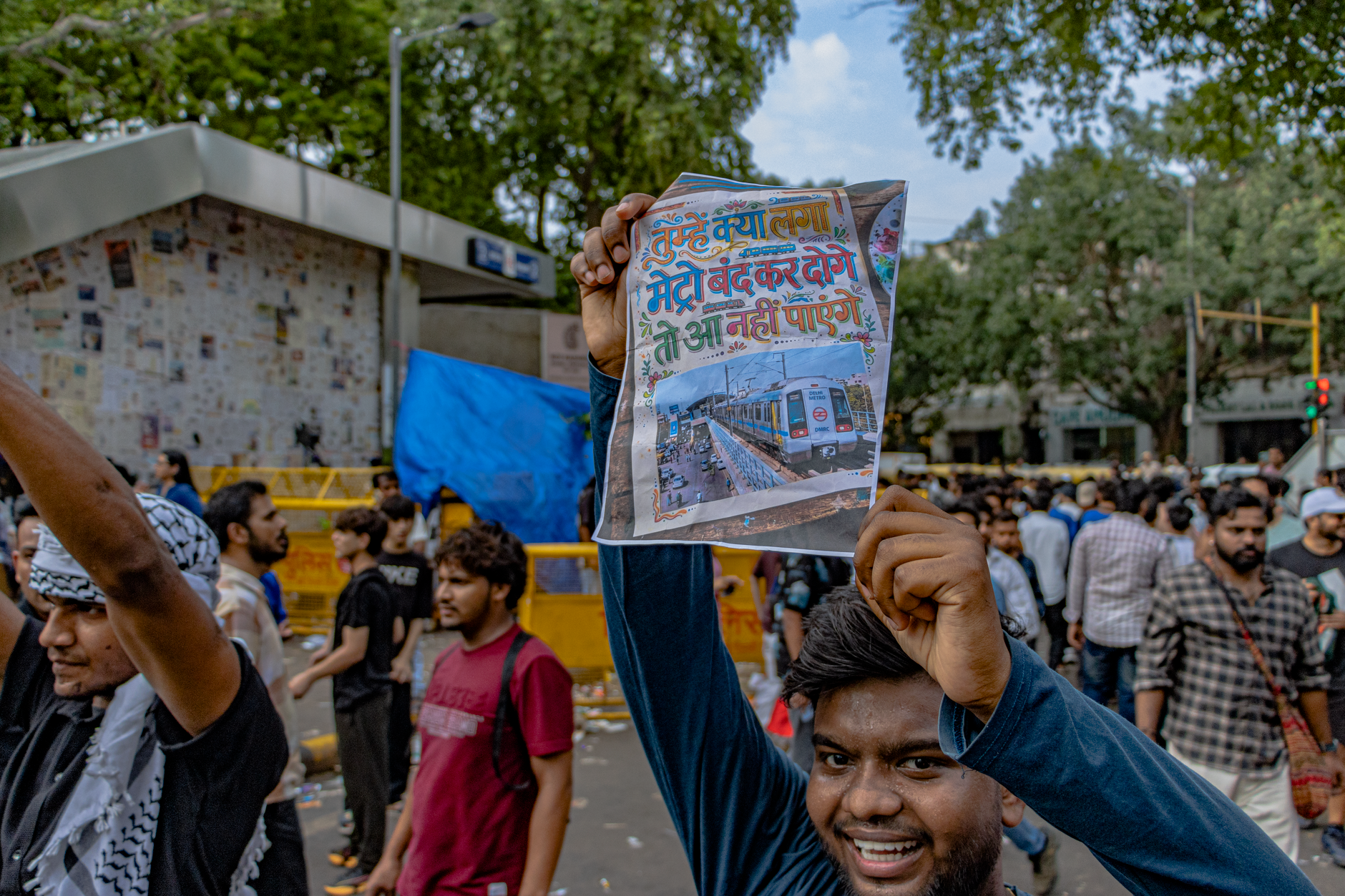
A seemingly small incident—a cockroach discovered in a student's midday meal at a government school—has snowballed into one of India's most significant grassroots movements in recent years. What critics initially dismissed as a trivial complaint has become a rallying point for millions of students, parents, and education activists demanding fundamental reforms in how India manages its education system and responds to citizen grievances.
The protests, which have spread from rural schools to urban colleges, represent something larger than food safety. They've become a vehicle for young Indians to voice frustrations about crumbling school infrastructure, lack of accountability in public institutions, and the erosion of spaces for democratic participation in the country's governance.
The Midday Meal Scheme and Its Broken Promises
India's midday meal scheme, launched to improve school attendance and address child malnutrition, serves over 100 million children daily, making it one of the world's largest school feeding programmes. The scheme promised nutritious meals that would keep children in classrooms and ensure they could learn on full stomachs.
However, the reality has often fallen short of this vision. Reports of substandard food quality, inadequate kitchen facilities, and poor hygiene standards have persisted for years. The cockroach incident simply made visible what many students and parents had experienced quietly for years—a system that had stopped prioritizing the welfare of its youngest citizens.
Why Students Are Leading the Charge
What makes these protests particularly significant is their student-led character. Young people, many of them first-generation learners from economically disadvantaged backgrounds, have organized demonstrations, social media campaigns, and community meetings to demand better treatment.
This generation of students grew up with smartphones and social media, giving them tools to document problems in real-time and mobilize support across geographic boundaries. Videos of contaminated food, dilapidated school buildings, and missing basic facilities like clean drinking water have circulated widely, creating a digital archive of systemic neglect.
The movement has also taught valuable lessons in civic participation. Students are learning to draft petitions, engage with local officials, organize peaceful protests, and use Right to Information requests to demand transparency—skills that form the foundation of active citizenship in a democracy.
Beyond Food: A Catalogue of Educational Grievances
The protests have expanded to encompass a wider range of concerns that plague India's education system, particularly in government schools that serve the majority of Indian children.
- Crumbling infrastructure including buildings with leaking roofs, broken furniture, and inadequate toilet facilities
- Teacher shortages with some schools operating with half their sanctioned teaching staff
- Lack of learning materials such as textbooks, laboratory equipment, and digital resources
- Unsafe school environments including poor sanitation and compromised structural integrity
- Insufficient budget allocations that leave schools unable to meet basic operational needs
The Democratic Dimensions of the Movement
Political analysts and civil society observers have noted how these protests are revitalizing democratic practices in India. In a period when many observers worry about shrinking space for dissent and citizen participation, students have demonstrated that grassroots organizing can still effect change.
The movement has created new forms of solidarity between students, parents, teachers, and community members. Parent-teacher associations that had become dormant are being reactivated. Local communities are holding officials accountable through village meetings and public hearings.
Furthermore, the protests have transcended traditional political divides. Students from different religious, caste, and economic backgrounds have united around the common cause of quality education, creating coalitions that challenge entrenched political calculations.
Government Responses and Systemic Change
Initial government responses varied from dismissive to defensive, with some officials minimizing the complaints or blaming low-level workers. However, sustained pressure has forced authorities to take action in many states, including surprise inspections of school kitchens, suspension of negligent officials, and announcements of increased budget allocations.
The real test will be whether these protests lead to lasting systemic reforms rather than temporary fixes designed to quiet dissent. Activists are calling for structural changes including independent monitoring mechanisms, mandatory quality standards with enforcement teeth, and greater transparency in how education funds are allocated and spent.
Lessons for India's Democratic Future
The cockroach protests demonstrate that India's democracy, despite its challenges, still has mechanisms through which ordinary citizens can demand accountability. They show that young people are willing to organize, speak up, and push for the rights they deserve—suggesting a politically engaged generation that could reshape India's democratic landscape in coming decades.
The movement also highlights how seemingly small incidents can become catalysts for broader social change when they tap into deeper frustrations with how power operates and who it serves.