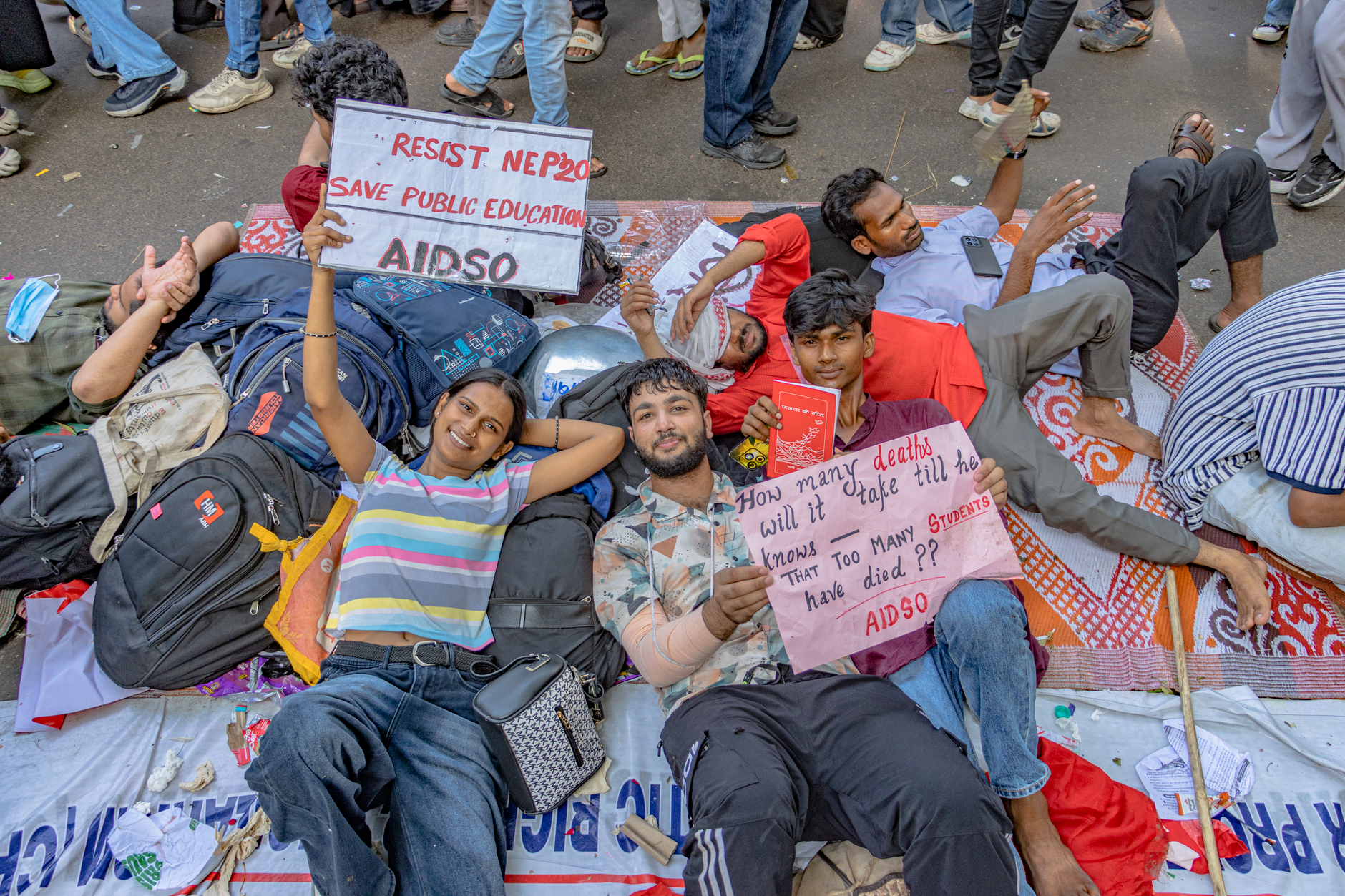
In a significant development for student activism in India, prolonged protests have resulted in the resignation of an education minister, demonstrating the power of sustained public pressure on governance issues. The movement, colloquially termed the 'Cockroach' protests, has been celebrated by students and education advocates as a watershed moment for accountability in India's education system.
The Context Behind the Protests
Student movements in India have a long and storied history of pushing for systemic change, from the pre-independence struggle to contemporary issues surrounding education policy, fee structures, and administrative reforms. The latest wave of protests appears to have been triggered by grievances related to educational governance, potentially involving issues such as examination irregularities, admission policies, fee hikes, or administrative mismanagement.
The unusual moniker 'Cockroach' protests likely stems from the movement's characteristics—persistent, resilient, and impossible to ignore despite efforts to suppress or dismiss them. Just as cockroaches are notoriously difficult to eliminate, these protests demonstrated remarkable staying power in the face of official resistance.
Key Demands and Grievances
While specific details vary by region and institution, student protests in India's education sector typically revolve around several core issues. These commonly include demands for transparent admission processes, accountability in examination systems, affordable education costs, improved infrastructure, and the removal of officials perceived as corrupt or incompetent.
Student activists have increasingly employed creative protest tactics in recent years, moving beyond traditional demonstrations to include social media campaigns, digital advocacy, and sustained on-ground presence. The success of these 'Cockroach' protests suggests that consistent, organized pressure can yield tangible results even against entrenched political interests.
The Significance of This Victory
The minister's resignation represents more than just a personnel change—it signals that student voices and public accountability can prevail over political protection. In a country where ministerial resignations over public protests are relatively uncommon, this development sets an important precedent for future activism.
This outcome may embolden other student movements across India facing similar challenges with educational administrators or policy makers. It demonstrates that sustained, strategic activism can achieve concrete objectives when movements maintain focus and public support.
Broader Implications for Education Governance
The successful protest raises important questions about governance structures in India's education system. It highlights the need for robust grievance redressal mechanisms that can address student concerns before they escalate into major movements requiring ministerial resignations.
Educational institutions and government bodies may need to re-evaluate how they engage with student stakeholders, ensuring greater transparency and accountability in decision-making processes. The episode underscores the importance of responsive governance that takes student concerns seriously rather than dismissing them.
Challenges Ahead
While the minister's exit represents a victory for the protesters, it also marks just the beginning of a longer journey toward substantive reform. The movement's success will ultimately be measured not by the resignation itself, but by the positive changes that follow in educational policy and administration.
Students and activists will need to remain vigilant to ensure that the momentum generated by this movement translates into lasting systemic improvements. There's also the challenge of preventing retaliatory action against protest leaders and ensuring that the next appointee addresses the underlying issues that sparked the demonstrations.
Lessons for Civic Engagement
The 'Cockroach' protests offer valuable insights for civic activism in India. They demonstrate the effectiveness of sustained, organized pressure over sporadic outbursts of anger. The movement's apparent success in maintaining public attention and support over an extended period proved crucial to achieving its objective.
This episode also highlights the evolving nature of student activism in India, where traditional protest methods are being supplemented with digital advocacy and creative campaigning techniques that capture public imagination and media attention.
The resignation marks a significant moment for education activism in India, proving that persistent, well-organized student movements can hold powerful officials accountable. As celebrations give way to the hard work of ensuring meaningful reform, this victory will likely inspire similar movements across the country while reminding administrators that student voices cannot be indefinitely ignored.