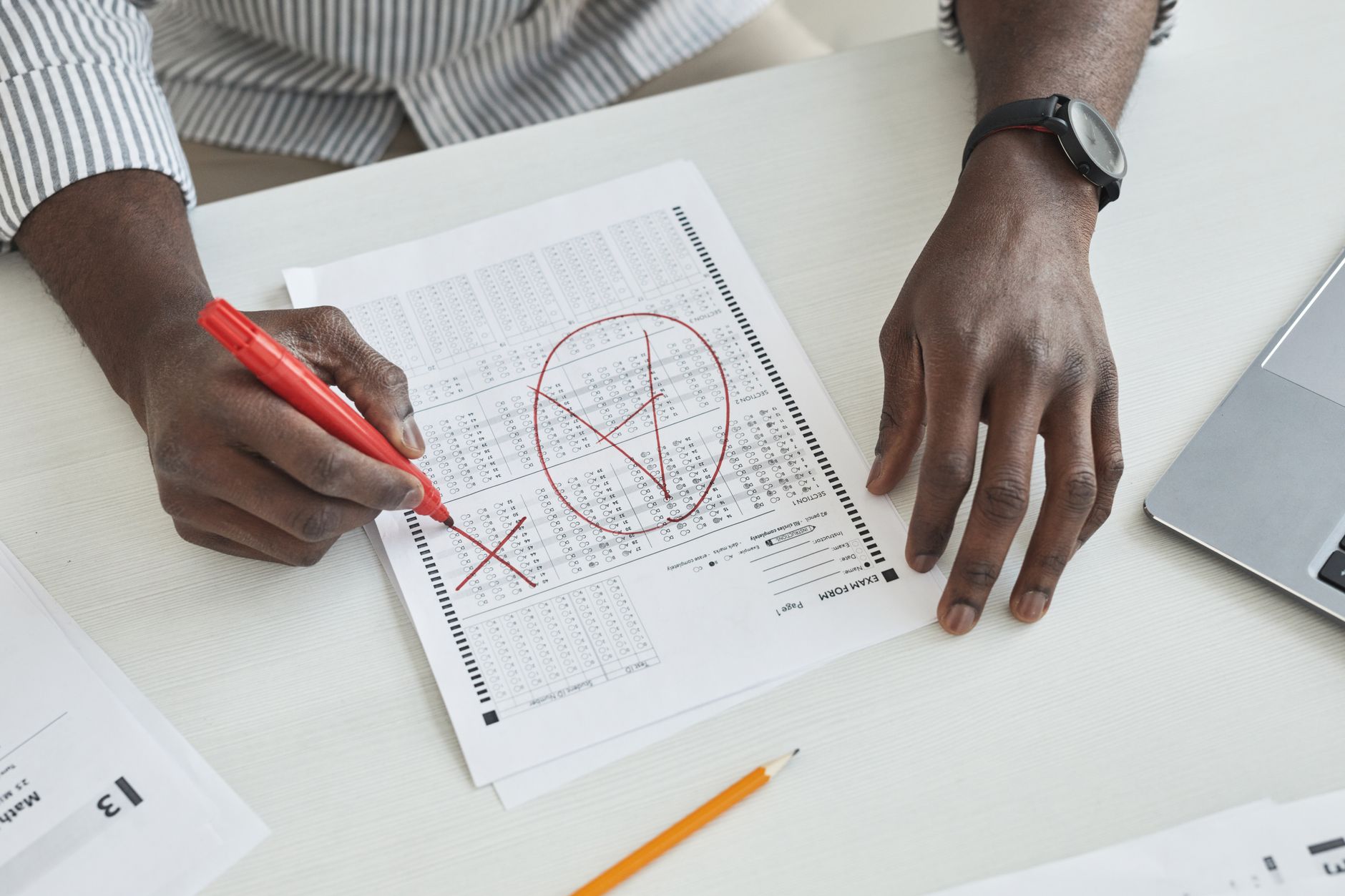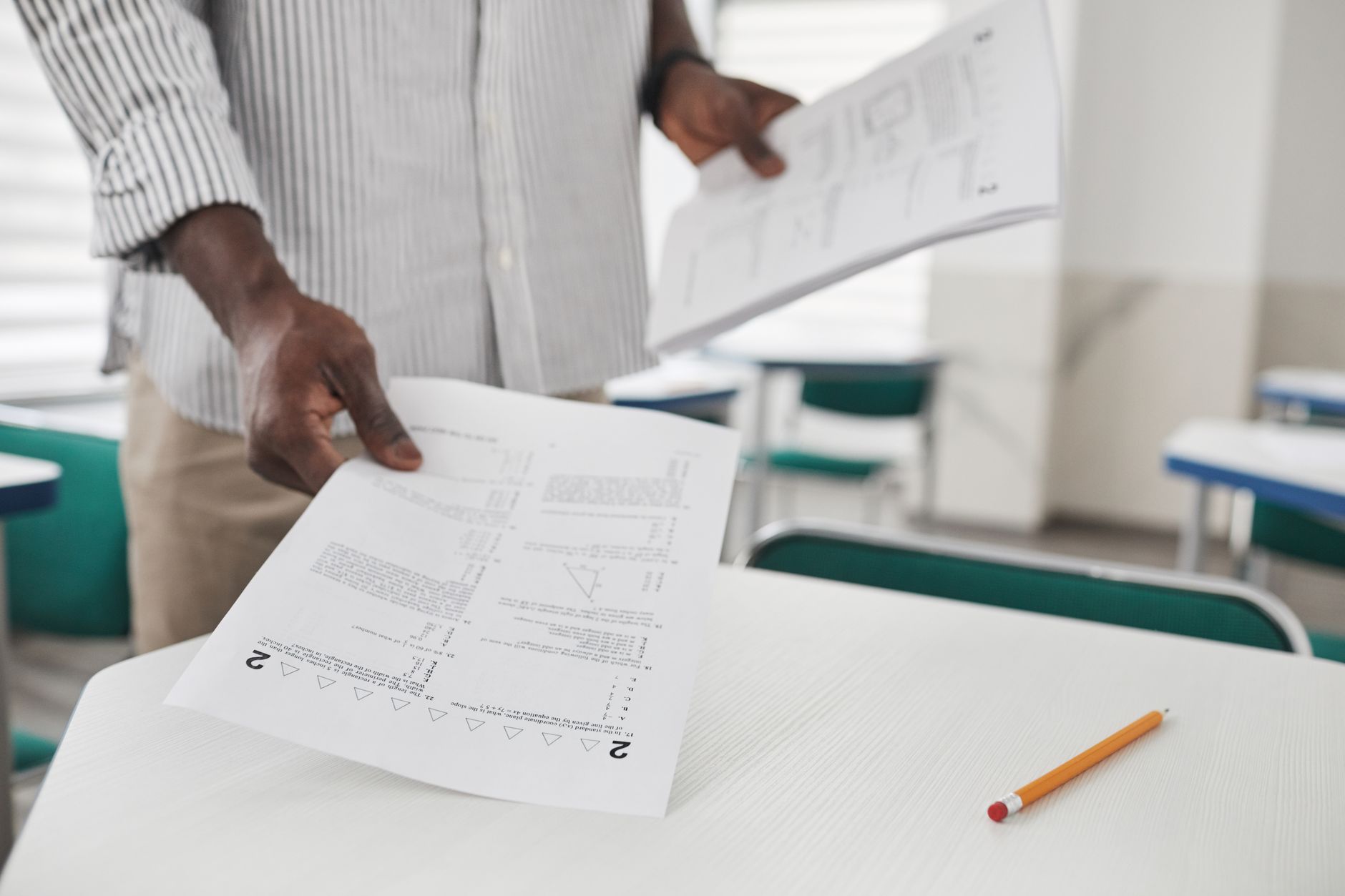
Prime Minister Narendra Modi's announcement of a task force to reform India's examination system marks a significant moment in the country's ongoing education transformation. This initiative comes amid growing concerns about the pressure-cooker environment surrounding competitive exams, student mental health, and the need to align assessments with 21st-century skills.
Why Exam Reform Matters Now
India's examination system has long been criticized for its heavy emphasis on rote learning and its contribution to extreme student stress. Every year, millions of students compete for limited seats in premier institutions through high-stakes exams like JEE, NEET, and UPSC, creating an environment where a single test can determine an entire career trajectory.
Recent incidents of exam paper leaks, technical glitches during online tests, and the tragic toll of student suicides have amplified calls for systemic change. The National Education Policy 2020 already outlined a vision for holistic, flexible, and multidisciplinary education, but implementation at the assessment level has remained a challenge.
Expected Areas of Focus
The task force is likely to examine several critical aspects of the current examination framework. These may include reducing the frequency of board exams, introducing continuous and comprehensive evaluation methods, and exploring alternatives to single high-stakes tests for college admissions.
There is also expected scrutiny of the proliferation of competitive exams and coaching culture. Many experts argue that the current system forces students into expensive coaching institutes, creating educational inequality where only those who can afford premium preparation have real chances at success.
Technology integration will probably feature prominently in discussions. While the shift to computer-based testing has brought efficiency, recent controversies around exam portals crashing or normalization formulas have highlighted the need for more robust digital infrastructure and transparent processes.
Potential Changes on the Horizon
Several reform models are being discussed in educational circles that the task force might consider. One approach involves moving toward a semester or modular system that allows students multiple attempts and reduces the do-or-die nature of annual exams.
Another possibility is the adoption of comprehensive evaluation methods that consider project work, practical skills, and co-curricular achievements alongside written tests. This aligns with global best practices and the skills demanded by modern employers who seek creativity, collaboration, and critical thinking over mere memorization.
The task force may also recommend standardization across states while allowing regional flexibility. Currently, the variation between different state boards and the CBSE/ICSE systems creates confusion and inequity, particularly affecting students who relocate during their education.
Challenges Ahead
Reforming an examination system that affects hundreds of millions of students is no small feat. Any changes must account for India's vast diversity in terms of language, socioeconomic status, urban-rural divides, and infrastructure availability.
- Ensuring equitable access to new assessment methods across all regions
- Training teachers to implement alternative evaluation techniques effectively
- Building consensus among stakeholders including universities, employers, and parents
- Maintaining academic standards while reducing stress
- Preventing new forms of inequality from emerging through reformed systems
The coaching industry, worth thousands of crores, will likely resist changes that threaten its business model. Similarly, shifting mindsets among parents and students accustomed to traditional exam metrics will require sustained awareness efforts.
Looking Forward
The formation of this task force represents recognition at the highest levels of government that India's examination system needs urgent attention. Whether the recommendations translate into meaningful change will depend on political will, resource allocation, and effective implementation mechanisms.
International examples offer valuable lessons. Countries like Finland have succeeded with minimal standardized testing, while Singapore balances rigorous assessment with holistic development. India will need to find its own path that honors its cultural context while preparing students for a rapidly changing global economy.
For students currently in the system, immediate dramatic changes are unlikely, as any reform must be phased carefully to avoid disrupting ongoing academic years. However, the direction of travel is clear: toward a more humane, comprehensive, and skill-focused assessment ecosystem that measures learning rather than mere test-taking ability.
The task force's composition, timeline, and terms of reference will provide crucial insights into how seriously this reform is being pursued. Parents, educators, and students will be watching closely, hoping that this initiative delivers substantive improvements rather than cosmetic adjustments to a system in dire need of transformation.