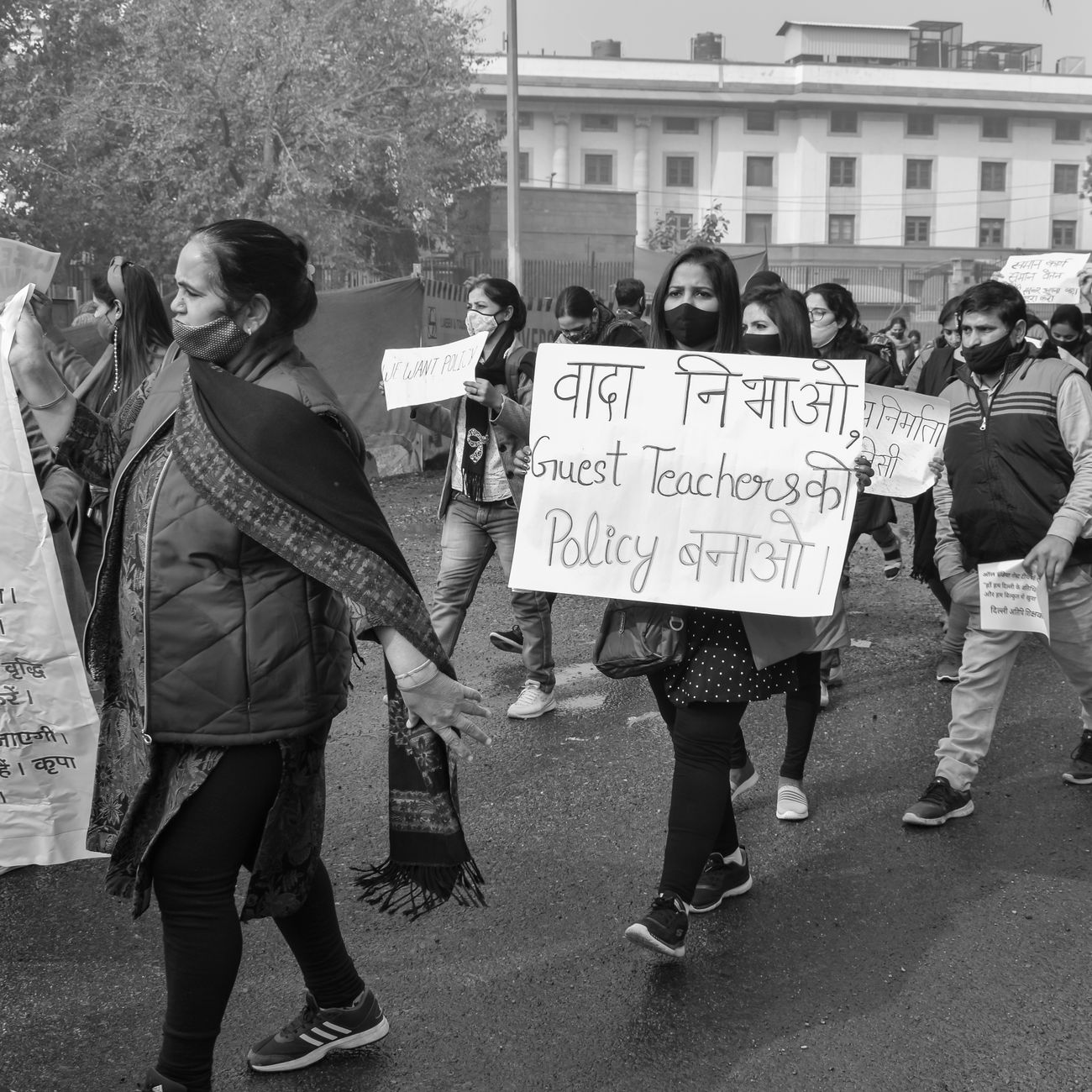
Student activism has emerged as a powerful force in reshaping India's education landscape, with recent protests compelling authorities to acknowledge deep-rooted problems in the competitive examination system that millions of young Indians depend on for their future careers.
The Breaking Point for India's Exam System
India's competitive examination ecosystem serves as the primary gateway to government jobs, higher education, and professional opportunities. Each year, millions of aspirants prepare rigorously for exams like NEET (medical entrance), JEE (engineering entrance), UPSC (civil services), and various state-level recruitment tests. However, a series of controversies involving paper leaks, irregularities, and systemic failures has eroded student confidence in these critical assessments.
The resignation of the education minister marks a significant political consequence of the mounting pressure. This development underscores how examination-related issues have transcended educational policy to become matters of national political importance, affecting the credibility of institutions and the futures of millions of young Indians.
Key Grievances Driving Student Protests
The protests have highlighted several systemic problems that have plagued India's examination infrastructure:
- Recurring paper leaks compromising exam integrity and disadvantaging honest candidates
- Last-minute cancellations and rescheduling causing mental stress and financial burden
- Allegations of normalization formula irregularities in multi-session exams
- Inadequate security protocols at examination centers
- Delays in result declaration and counseling processes
- Limited transparency in evaluation and redressal mechanisms
These issues disproportionately affect students from economically disadvantaged backgrounds who invest significant family resources and years of preparation for a single opportunity.
The Social and Economic Impact
For middle-class and economically weaker families in India, competitive examinations represent social mobility and economic security. When the system fails, it doesn't merely affect academic outcomes—it shatters carefully laid financial plans and generational aspirations.
Students often relocate to coaching hubs like Kota, Delhi, or Hyderabad, spending lakhs of rupees on preparation. The psychological toll of exam uncertainty, combined with intense competition where success rates often fall below one percent, creates enormous pressure on young people already navigating a challenging job market.
The protests reflect a generational frustration with a system that appears increasingly unable to deliver fair opportunities commensurate with the sacrifices demanded from candidates.
Proposed Reforms and Their Implications
In response to sustained pressure, authorities have announced several reform measures aimed at restoring credibility:
- Enhanced security protocols including advanced surveillance and encrypted question papers
- Single-session examination formats to eliminate normalization controversies
- Improved grievance redressal mechanisms with transparent timelines
- Stricter penalties for individuals involved in malpractices
- Technology upgrades in examination infrastructure
- Regular audits of testing agencies and examination centers
The implementation of these reforms will require substantial investment in infrastructure and training, alongside political will to enforce accountability across the examination ecosystem.
The Role of Digital Activism
Modern student protests have leveraged social media platforms to coordinate demonstrations, share evidence of irregularities, and build public pressure. Hashtag campaigns and viral testimonials have amplified individual grievances into collective movements, making it difficult for authorities to ignore widespread dissatisfaction.
This digital dimension has given the current wave of protests unprecedented reach and sustainability, allowing students across different states and examination categories to find common cause.
Looking Forward: Challenges in Implementation
While announcements of reforms are encouraging, the real test lies in implementation. India's examination system operates through multiple agencies—the National Testing Agency, UPSC, state public service commissions, and various professional councils—each with different protocols and accountability structures.
Coordinating comprehensive reform across these entities requires institutional cooperation and sustained oversight. Additionally, the massive scale of India's examination system, conducting hundreds of tests for millions of candidates annually, presents logistical challenges that simple policy changes cannot immediately address.
Broader Questions About Educational Assessment
The current crisis has prompted deeper questions about whether India's heavy reliance on high-stakes examinations serves students and society effectively. Some education experts advocate for more holistic evaluation methods, continuous assessment models, and diversified pathways to professional success.
However, any fundamental restructuring must address concerns about fairness, scalability, and resistance to manipulation—qualities that standardized examinations theoretically provide, even if current implementation falls short.
The youth-led movement for examination reform represents more than dissatisfaction with administrative failures. It reflects a generation demanding institutional accountability and systemic change in structures that fundamentally shape their opportunities and futures.