India's travel and tourism sector has reached an impressive economic valuation of $263.6 billion, marking a significant milestone in the country's journey to become a global tourism powerhouse. According to the World Travel and Tourism Council (WTTC), this robust growth trajectory positions India to potentially enter the elite group of the world's top four tourism economies in the coming years.
Record Growth Across Multiple Segments
The tourism sector's contribution to India's GDP has grown substantially, driven by both domestic and international travel. The industry now accounts for a significant portion of employment, supporting millions of jobs across hospitality, transportation, entertainment, and related services. This growth reflects not only increased tourist arrivals but also higher spending per visitor as India diversifies its tourism offerings.
Domestic tourism has been particularly strong, with Indian travelers increasingly exploring their own country's diverse destinations. From the Himalayan hill stations to Kerala's backwaters, and from Rajasthan's heritage sites to the beaches of Goa, Indians are rediscovering local travel options. The rise of affordable air travel, improved road connectivity, and growing middle-class incomes have all contributed to this domestic tourism boom.
International Appeal on the Rise
India has also witnessed a steady increase in foreign tourist arrivals, with visitors drawn to the country's rich cultural heritage, spiritual tourism, adventure activities, and medical tourism facilities. The government's efforts to simplify visa processes, including expanded e-visa facilities for numerous countries, have made India more accessible to international travelers.
Key tourism segments attracting global visitors include:
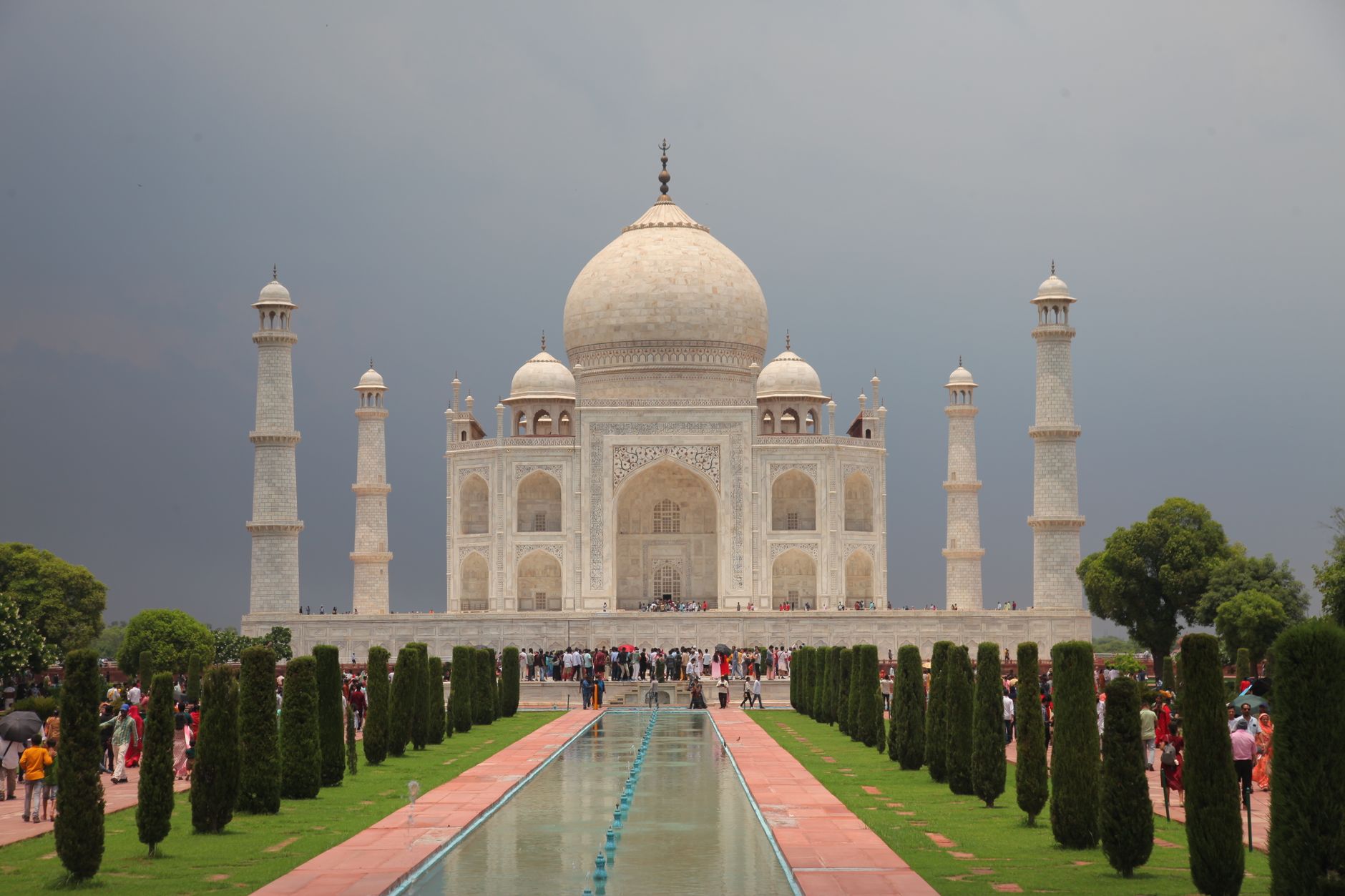
- Cultural and heritage tourism centered around UNESCO World Heritage Sites
- Spiritual and wellness tourism, including yoga and Ayurveda retreats
- Adventure tourism in mountainous and coastal regions
- Medical tourism, where India offers world-class healthcare at competitive prices
- Business and MICE (Meetings, Incentives, Conferences, Exhibitions) tourism
Infrastructure Development Fueling Growth
The Indian government has prioritized tourism infrastructure development through various initiatives. The development of new airports, expansion of existing ones, and improvement of rail connectivity have made previously remote destinations more accessible. Several tier-2 and tier-3 cities are now connected to major metros, opening up new tourism circuits.
Road infrastructure improvements under various national highway projects have reduced travel times between popular destinations. The development of dedicated tourism corridors, such as the Buddhist Circuit and the Coastal Circuit, has created integrated travel experiences that appeal to both domestic and international tourists.
Digital Transformation and Marketing
India's tourism sector has embraced digital transformation, with online booking platforms, virtual tours, and social media marketing playing crucial roles in attracting visitors. The "Incredible India" campaign has successfully positioned the country as a must-visit destination on the global tourism map. State tourism boards have also become more active in promoting regional attractions through targeted digital campaigns.
Challenges and Opportunities Ahead
Despite the impressive growth numbers, the sector faces challenges that need addressing to achieve the top-four global ranking. These include maintaining cleanliness and hygiene standards at tourist sites, ensuring visitor safety, and managing over-tourism at popular destinations. Sustainable tourism practices need wider adoption to preserve India's natural and cultural heritage for future generations.
The hospitality sector requires continued investment in quality accommodations across different price points. While luxury hotels abound in major cities, mid-range and budget options need expansion in emerging destinations. Training and skill development for tourism professionals remain priorities to ensure consistent service quality.
Economic Impact and Future Outlook
The tourism sector's contribution extends beyond direct revenue. It creates employment opportunities in rural and semi-urban areas, promotes handicrafts and local industries, and encourages preservation of cultural traditions. The multiplier effect of tourism spending benefits various sectors including agriculture, manufacturing, and retail.
Looking ahead, India's ambition to enter the global top four tourism economies appears achievable. With a young population, growing economy, diverse attractions, and government focus on tourism development, the sector is poised for sustained growth. Industry experts project that continued investment in infrastructure, service quality improvement, and strategic marketing could help India achieve this goal within the next few years.
The success of India's tourism sector demonstrates how strategic planning, infrastructure development, and effective marketing can transform a country's economic landscape while showcasing its unique cultural and natural heritage to the world.