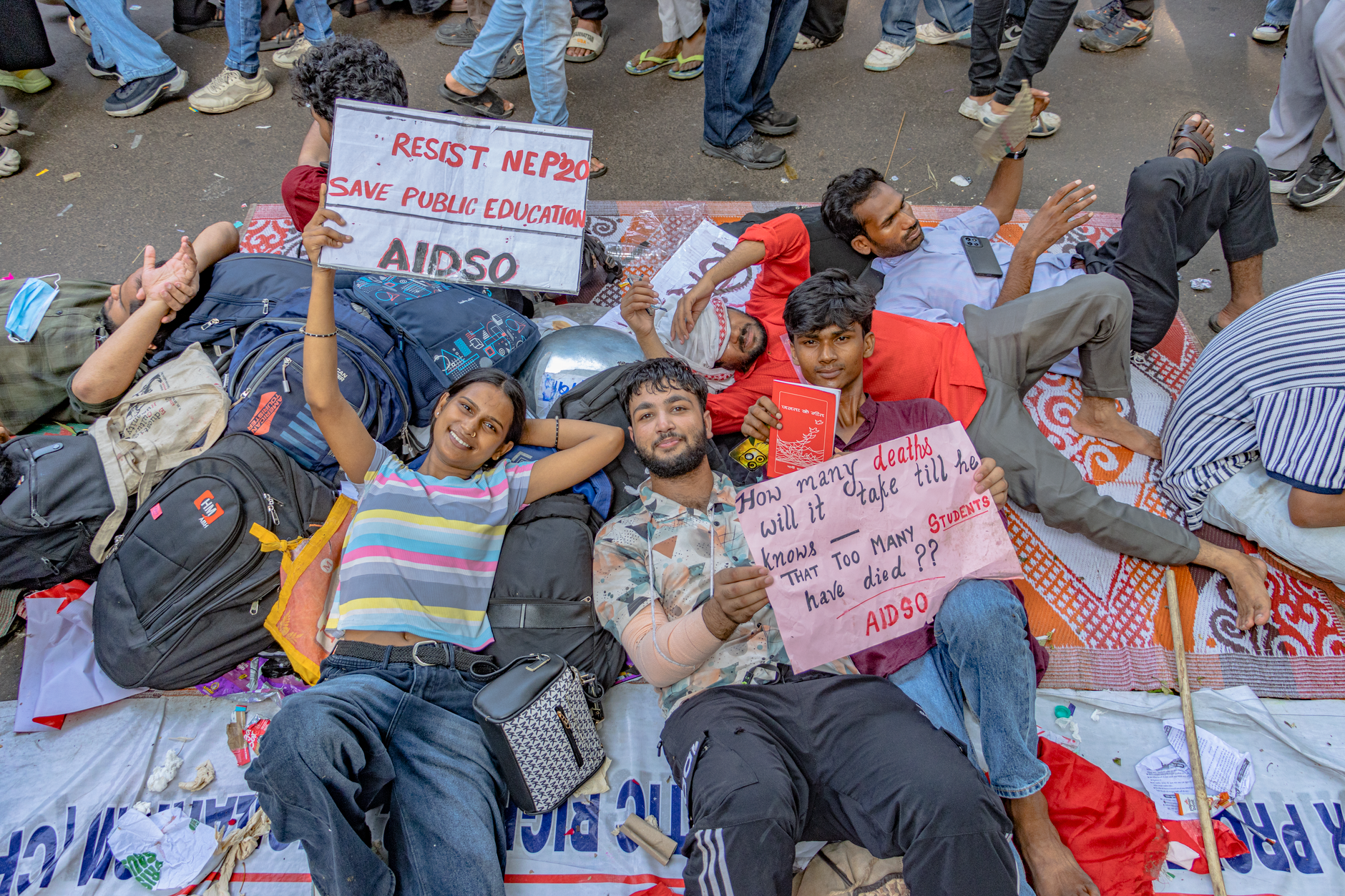
India's education sector has witnessed a surge in student-led protests in recent months, with activists adopting unconventional symbols and tactics to demand systemic changes. The movement, which gained the moniker 'Cockroach' from its proponents' description of their persistent, resilient approach to advocacy, has now achieved a significant milestone with the removal of a senior education official. This development marks a turning point in how student voices are shaping educational policy across the country.
Origins of the Movement
Student activism in India has deep historical roots, from the independence movement to the Emergency period of the 1970s. The current wave of protests emerged from mounting frustrations over examination policies, curriculum relevance, infrastructure deficiencies, and concerns about commercialization of education. Students chose the cockroach metaphor deliberately—these insects are known for their ability to survive in harsh conditions and their persistent nature, qualities the protesters saw reflected in their own struggle.
The movement coalesced around several key demands including transparent admission processes, reduction in tuition fees, improved campus facilities, and greater student representation in administrative decision-making. What began as scattered campus demonstrations evolved into a coordinated nationwide effort, leveraging social media to unite students across universities and colleges.
Why the Minister's Removal Matters
The dismissal of the education minister represents more than just a political reshuffle. It signals that student concerns have penetrated the highest levels of governance, forcing authorities to acknowledge systemic issues that have long plagued Indian education. The minister's tenure was marked by controversies including alleged irregularities in competitive examinations, delays in scholarship disbursements, and perceived indifference to infrastructure problems in government-run institutions.
For the movement, this outcome validates their methods and persistence. Students have demonstrated that organized, sustained pressure can produce tangible results, even when challenging entrenched political interests. The development also highlights the growing political significance of India's youth demographic, with millions of students representing a constituency that political parties can no longer afford to ignore.
Challenges Ahead
Despite this apparent victory, the movement faces critical questions about its future direction and sustainability:
- Maintaining momentum after achieving a symbolic win without comprehensive policy reform
- Preventing fragmentation as different student groups prioritize varying demands
- Avoiding political co-option by parties seeking to leverage youth dissatisfaction
- Translating protest energy into constructive engagement with new educational leadership
- Addressing regional disparities in educational challenges across diverse states
The appointment of a new education minister does not automatically guarantee the substantive changes students seek. India's educational bureaucracy is complex, with responsibilities distributed across central and state governments, regulatory bodies, and thousands of autonomous institutions. Real reform requires sustained engagement beyond street protests.
Broader Implications for Indian Education
The movement has brought several critical issues into sharper focus. India's education system serves over 250 million students, making it one of the world's largest. Yet it grapples with persistent challenges including inadequate funding, outdated curricula not aligned with job market needs, examination-centric pedagogy that discourages critical thinking, and stark inequalities between elite private institutions and under-resourced government schools.
Students are increasingly questioning whether the current system prepares them for meaningful careers and citizenship. High unemployment rates among graduates, particularly in certain disciplines, fuel frustration about the return on educational investment. The movement reflects broader anxieties about economic opportunity and social mobility in contemporary India.
What Comes Next
The movement's trajectory will likely depend on several factors. First, how the new education leadership responds to student demands will determine whether momentum continues or dissipates. Second, the movement's ability to build coalitions with teachers, parents, and educational experts could broaden its base and legitimacy. Third, developing specific, actionable policy proposals rather than only protesting existing conditions would strengthen their advocacy.
Some activists are already pivoting toward constructive engagement, participating in consultations, submitting detailed reform proposals, and seeking seats on institutional committees. Others argue that maintaining pressure through protests remains essential to prevent backsliding.
The 'Cockroach' movement represents a generation demanding accountability and meaningful change in Indian education. Whether this ministerial change proves a genuine turning point or merely a symbolic gesture will become clear in the coming months as students watch carefully to see if their persistence yields the comprehensive reforms they seek.