India's tourism sector is set for a major transformation as the government unveils a comprehensive package of investment incentives designed to accelerate luxury resort development across southern states. This strategic move aims to position India as a premier global destination for high-end travelers while creating thousands of jobs and boosting regional economies.
The Strategic Focus on Southern India
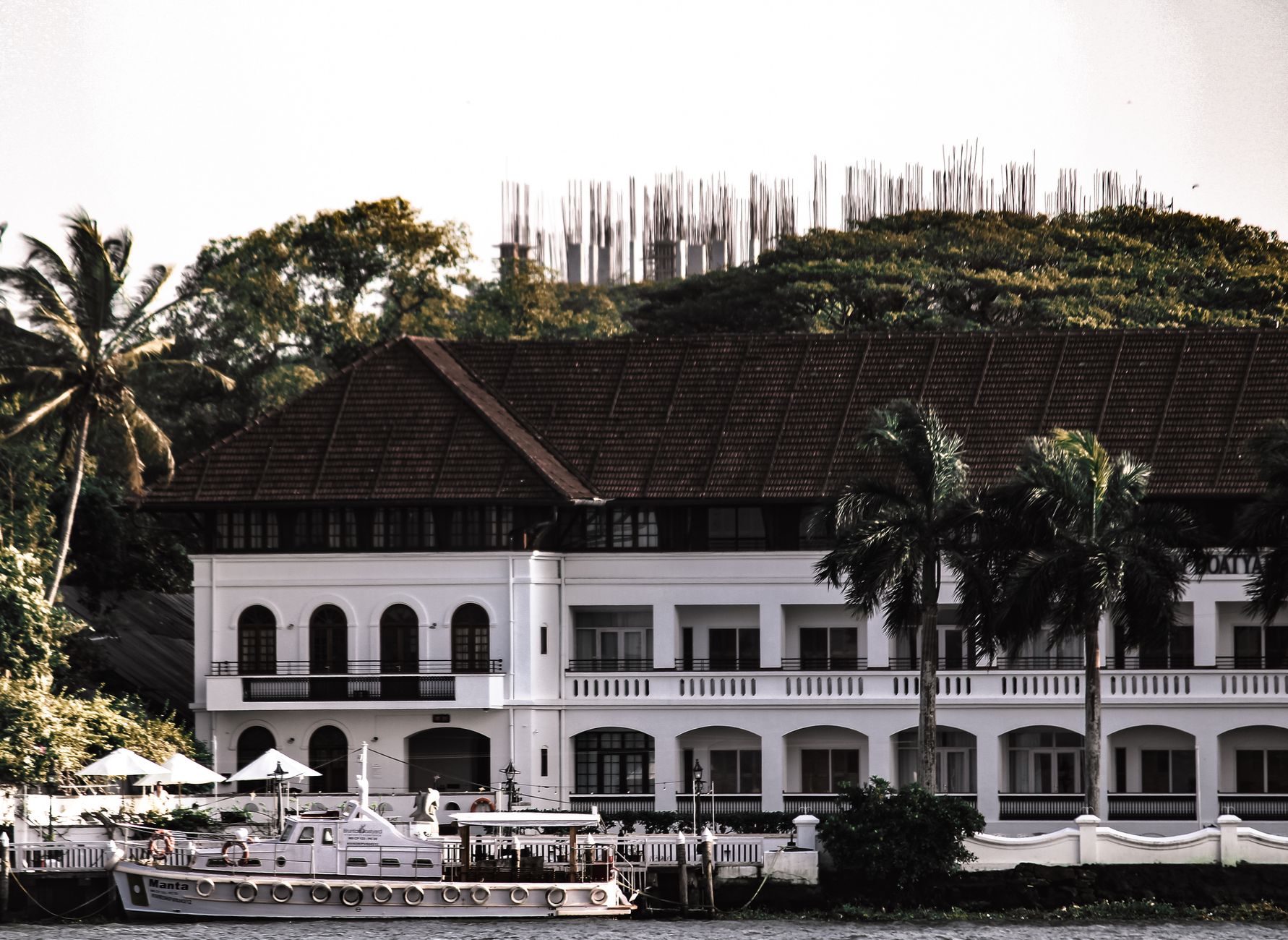
The southern states of Kerala, Karnataka, Tamil Nadu, Goa, and Andaman and Nicobar Islands have been identified as priority zones for this hospitality expansion. These regions already boast natural advantages including pristine coastlines, rich cultural heritage, and established tourism infrastructure. Kerala's backwaters, Karnataka's historical sites, Tamil Nadu's temple circuits, and Goa's beaches collectively attract millions of domestic and international visitors annually, making them ideal locations for luxury hospitality investments.
The government's focus on these states reflects a deliberate strategy to distribute tourism benefits beyond traditional northern circuits while capitalizing on the southern region's year-round favorable climate and existing connectivity through international airports in cities like Bengaluru, Kochi, Chennai, and Hyderabad.
Key Investment Incentives
The incentive package includes several attractive measures designed to reduce barriers for both domestic and international hotel chains. Tax holidays for new luxury properties are expected to feature prominently, potentially offering reduced corporate tax rates for initial operational years. Land acquisition support through single-window clearance systems aims to streamline the typically complex process of securing suitable locations for large-scale resort developments.
Infrastructure development support represents another crucial component, with promises of improved road connectivity, upgraded airports, and enhanced local amenities around designated tourism zones. Capital subsidy schemes may provide financial assistance for construction and initial setup costs, particularly for properties meeting specific sustainability and employment generation criteria.
Fast-tracked environmental and regulatory approvals are being introduced to reduce project timelines, addressing a long-standing concern among international investors about bureaucratic delays in India's development sector.
Global Hotel Chains Eye Indian Market
Several international luxury hospitality brands have already expressed interest in expanding their Indian footprint. The country's growing middle class, increasing disposable incomes, and rising demand for premium travel experiences create compelling business cases for investment. India's luxury hotel market has historically been underdeveloped compared to other major tourism destinations in Asia, presenting significant growth opportunities.
Global chains bring not only capital but also international service standards, marketing reach, and operational expertise that can elevate India's hospitality sector. Their presence often creates a multiplier effect, attracting ancillary services, training local workforce to international standards, and raising overall destination competitiveness.
The 2026 Growth Targets
The government has set ambitious targets for 2026, likely including specific numbers for international tourist arrivals, tourism revenue generation, and direct and indirect employment creation. These goals align with broader economic development objectives and India's vision to become a top-five global tourism destination.
Meeting these targets requires substantial capacity addition in the luxury and premium segments, where India currently faces supply constraints during peak seasons. The new incentives directly address this gap by encouraging rapid development of high-quality accommodation options.
Regional Economic Impact
Beyond tourism revenue, luxury resort development promises significant economic benefits for local communities. Construction phases create immediate employment, while operational phases generate ongoing jobs in hospitality, food and beverage services, transportation, and cultural activities. Local artisans, performers, and small businesses often benefit from increased visitor spending.
The development of luxury properties can also catalyze improvements in public infrastructure, healthcare facilities, and education services in surrounding areas, creating lasting positive impacts beyond the immediate tourism sector.
Challenges and Considerations
Despite attractive incentives, developers must navigate challenges including land availability in prime coastal areas, environmental regulations protecting sensitive ecosystems, seasonal demand fluctuations, and competition from established regional destinations like Thailand, Maldives, and Bali.
Sustainable development practices will be crucial to ensure that rapid expansion doesn't compromise the natural beauty and cultural authenticity that attract visitors in the first place. Balancing growth with environmental conservation and community welfare will determine the long-term success of this initiative.
The success of these incentives will ultimately depend on effective implementation, consistent policy support, and maintaining India's competitive advantage in an increasingly crowded regional hospitality market.
===END===