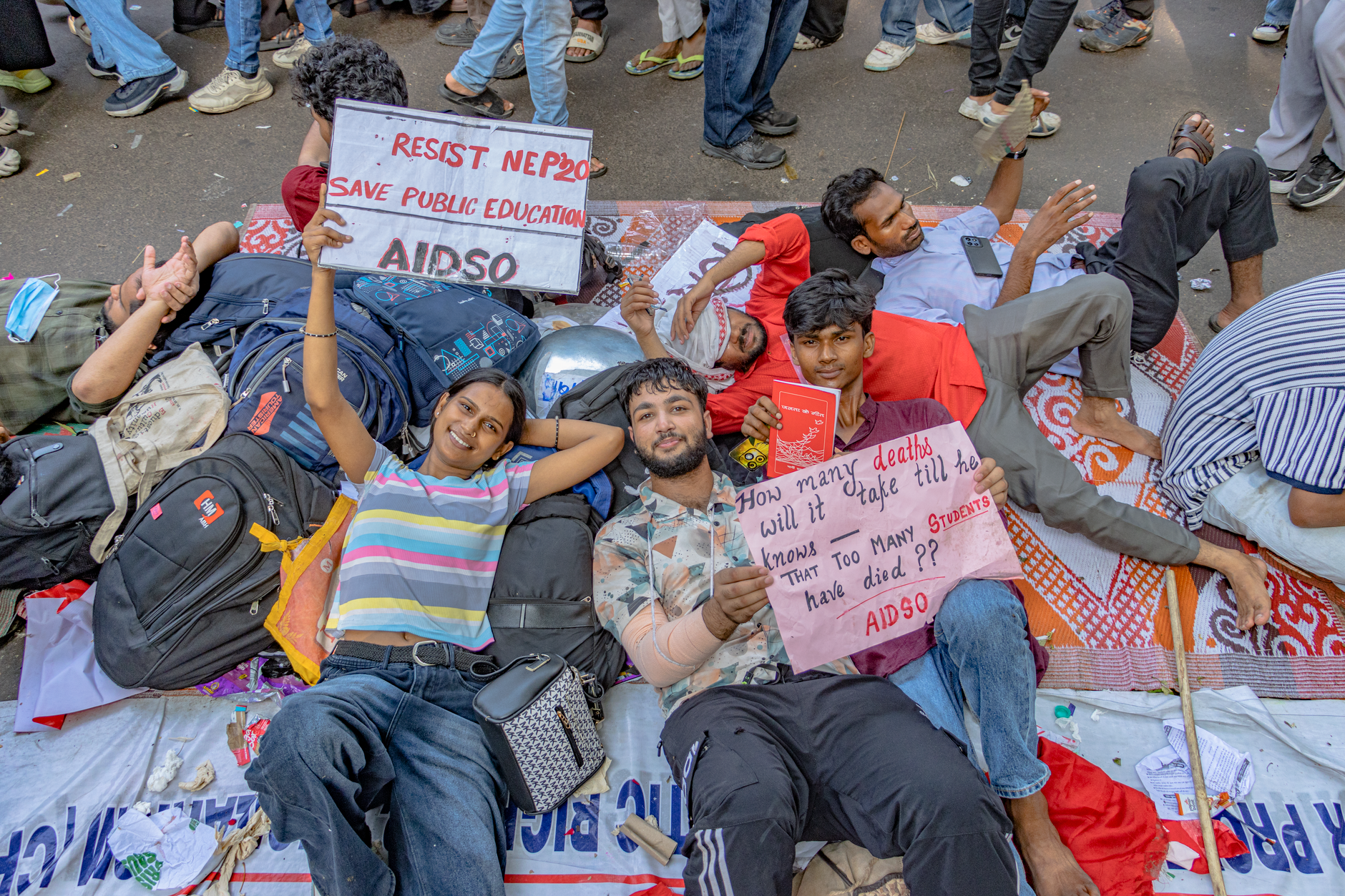
India's Generation Z, comprising those born between the mid-1990s and early 2010s, represents the largest youth demographic in the world. Yet, this generation is increasingly vocal about a fundamental problem: the education system is failing to prepare them for the future. Their frustration stems from a growing realization that years of rote learning, competitive examinations, and theoretical knowledge are not translating into meaningful career opportunities or practical skills.
The Core of the Discontent
The primary complaint among India's Gen Z students centers on the gap between what they learn and what they need. Traditional curricula remain heavily focused on memorization and standardized testing, with limited emphasis on critical thinking, creativity, or problem-solving. Students spend years preparing for highly competitive entrance examinations like JEE and NEET, often at the expense of holistic development.
This examination-centric approach creates immense pressure but questionable outcomes. Millions of students compete for limited seats in prestigious institutions, while the vast majority end up in colleges where quality varies dramatically. Even those who succeed often find that their degrees do not guarantee employment in their chosen fields.
The Employment Paradox
India faces a peculiar paradox: high youth unemployment coexists with a shortage of skilled workers. Official unemployment figures for young people aged 15-24 hover around 20-25%, but underemployment tells an even grimmer story. Many graduates accept jobs far below their qualification levels or in entirely unrelated fields.
The disconnect stems from several factors:
- Curricula that have not kept pace with rapidly evolving industries
- Limited practical training and hands-on experience during education
- Insufficient focus on digital skills and emerging technologies
- A surplus of graduates in oversaturated fields like engineering and commerce
- Lack of vocational training options that carry social prestige
The Digital Divide in Learning
While India has made strides in digital infrastructure, the pandemic exposed deep inequalities in access to quality education. Students in tier-2 and tier-3 cities, as well as rural areas, often lack reliable internet connectivity, devices, and digital literacy. This creates a two-tier system where privileged students can access global learning resources while others fall further behind.
Even where digital access exists, the pedagogy often remains unchanged. Many institutions simply transferred traditional lecture-based teaching to online platforms without reimagining how students learn best in digital environments.
Unreformed Higher Education
India's higher education sector faces structural challenges that fuel student frustration. Many universities and colleges lack adequate faculty, modern infrastructure, and industry connections. The University Grants Commission and other regulatory bodies have implemented various reforms, but change has been slow and uneven.
Research opportunities remain limited outside a handful of elite institutions. Students interested in innovation and original work often find themselves constrained by outdated laboratory equipment, limited funding, and an academic culture that still prioritizes teaching over research.
Voices of Change
This generation's frustration manifests differently than previous cohorts. Armed with social media and global connectivity, Gen Z students actively compare their education with international standards. They see peers in other countries learning through project-based curricula, gaining internship experience, and developing portfolios that showcase real skills.
Student activism around education reform has grown more sophisticated and organized. Online petitions, social media campaigns, and public demonstrations reflect a generation unwilling to accept the status quo. They demand practical skills training, mental health support, flexible learning pathways, and education that prepares them for a rapidly changing job market.
The Way Forward
Addressing these concerns requires systemic changes beyond quick fixes. The National Education Policy 2020 promised significant reforms, including multidisciplinary education, reduced emphasis on board examinations, and greater flexibility in subject choices. However, implementation remains inconsistent across states and institutions.
Industry partnerships could bridge the skills gap by involving employers in curriculum design and providing internship opportunities. Greater investment in vocational education and removing the stigma around non-traditional career paths would also help align education with employment realities.
Technology offers possibilities for personalized learning, but only if accompanied by teacher training and pedagogical innovation. The focus must shift from merely consuming content to developing skills like collaboration, communication, and creative problem-solving that machines cannot easily replicate.
The frustration of India's Gen Z students represents both a challenge and an opportunity. Their discontent signals a generation that refuses to waste years on education that does not serve them. Meeting their expectations will require courage to reimagine education systems built for a different era and create pathways that truly prepare young Indians for the future they will inherit.