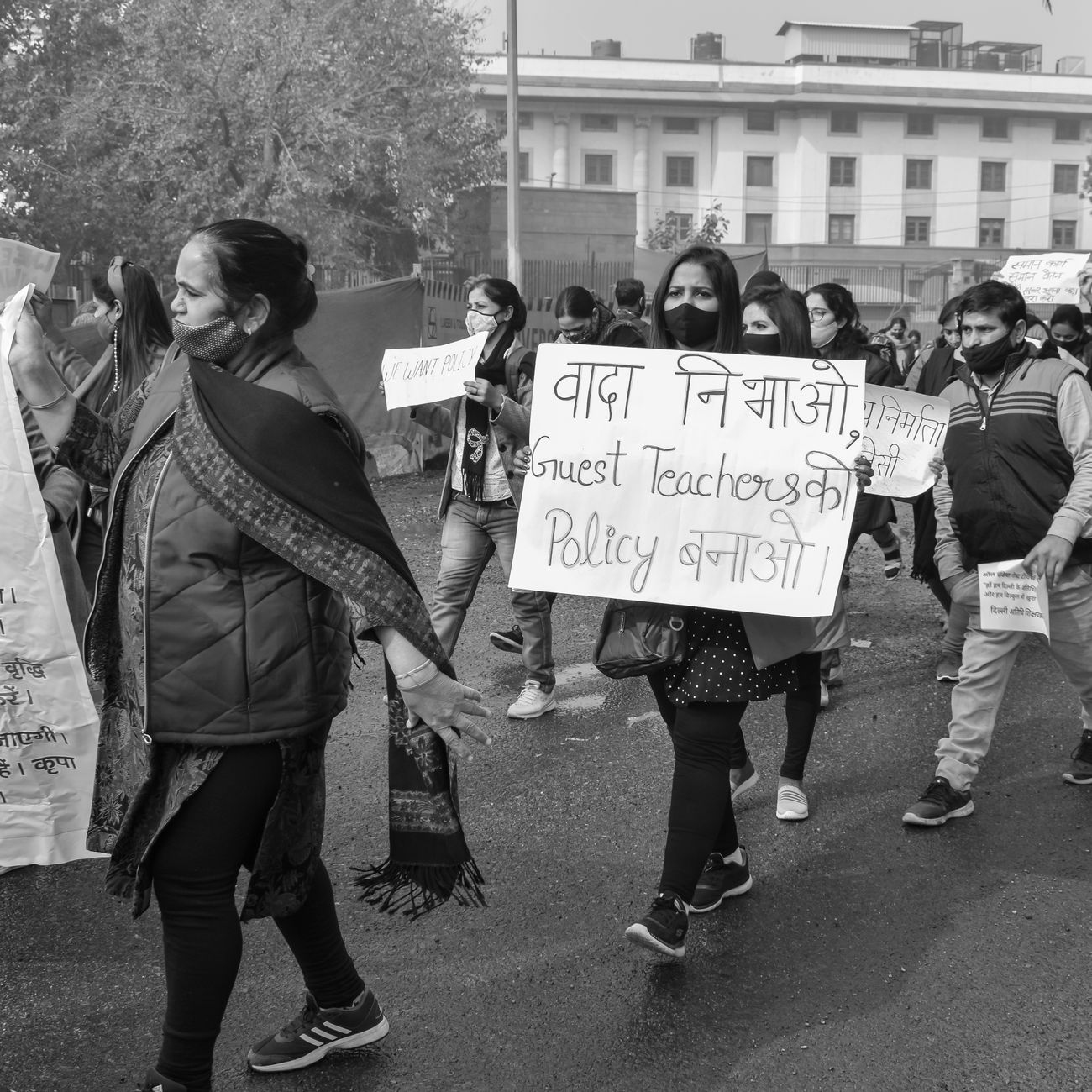
The resignation of India's education minister has triggered celebrations among protesters who had been demanding accountability in the education sector. The development comes after weeks of sustained demonstrations across multiple cities, highlighting growing frustration with examination irregularities, alleged paper leaks, and broader concerns about educational reforms.
Background of the Protests
Student groups, opposition parties, and civil society organizations had been conducting demonstrations demanding the minister's resignation. The protests intensified following reports of irregularities in competitive examinations, which affect millions of aspiring candidates each year. These examinations serve as gateways to prestigious educational institutions and government jobs, making their integrity paramount for students and their families.
The demonstrations reflected deeper anxieties about the fairness and transparency of India's examination system. Protesters argued that repeated instances of paper leaks and alleged malpractices were undermining the merit-based system that forms the foundation of educational and professional opportunities in the country.
Key Issues That Sparked Outrage
Several factors contributed to the mounting pressure on the education minister:
- Alleged examination paper leaks affecting national-level competitive tests
- Delays in addressing student grievances and implementing corrective measures
- Concerns about the transparency of investigation processes
- Questions about the security protocols for conducting high-stakes examinations
- Broader debates about recent changes to educational policies and curricula
The controversy particularly affected students from economically disadvantaged backgrounds, who invest significant time and resources preparing for these examinations. Many view competitive exams as their primary pathway to social and economic mobility, making any compromise in their integrity deeply consequential.
The Resignation and Its Implications
The minister's resignation represents a rare instance of public accountability in response to sustained civic pressure. Student organizations and opposition parties quickly claimed the development as a victory for democratic protest and demanded further reforms to prevent similar issues in the future.
However, the resignation also raises questions about institutional responsibility beyond individual ministerial accountability. Critics argue that systemic reforms are necessary to address the recurring problems in examination administration, rather than relying solely on personnel changes.
Examination Integrity in India's Education System
India's competitive examination ecosystem is among the largest in the world, with millions of candidates appearing for tests conducted by various bodies including the Union Public Service Commission, Staff Selection Commission, and university entrance authorities. The scale and complexity of this system present significant logistical and security challenges.
Recent years have witnessed several high-profile instances of examination irregularities, leading to re-examinations, legal battles, and prolonged uncertainty for candidates. These incidents have eroded public confidence in the system and prompted calls for technological upgrades, stricter security measures, and enhanced oversight mechanisms.
What Protesters Are Demanding Next
While celebrating the resignation as a first step, student groups and activists have outlined additional demands:
- Comprehensive investigations into all alleged examination irregularities
- Compensation and fair opportunities for affected candidates
- Systemic reforms to enhance examination security
- Greater transparency in the appointment of examination officials
- Stronger legal penalties for individuals involved in facilitating malpractices
Youth organizations have emphasized that accountability must extend beyond ministerial changes to include administrative officials and examination conducting bodies responsible for implementing security protocols.
Broader Context of Student Activism
The successful protest movement reflects the growing political consciousness and organizational capacity of student groups in India. Young people are increasingly willing to mobilize around education-related issues, viewing access to quality education and fair examinations as fundamental rights.
This activism occurs against the backdrop of ongoing debates about educational reforms, including changes to curricula, examination patterns, and institutional structures. Student groups have become important stakeholders in these discussions, demanding consultation and transparency in policy-making processes.
The Path Forward
The resignation opens opportunities for course correction in India's examination administration system. The incoming education minister will face immediate pressure to restore confidence through concrete reforms rather than merely symbolic gestures.
Educational experts suggest that addressing the systemic issues will require significant investments in technology, training, and institutional capacity-building. International best practices in examination security, such as randomized question banks, biometric authentication, and real-time monitoring systems, may need to be adopted and adapted to India's unique scale and context.
The episode also underscores the importance of responsive governance and the role of peaceful protest in democratic accountability. How effectively the government addresses the underlying concerns will determine whether this resignation becomes a turning point or merely a temporary response to public pressure.