India's education system, once hailed as a cornerstone of post-independence nation-building, faces mounting criticism over declining quality, accessibility gaps, and a disconnect between classroom learning and real-world skills. The challenges have sparked national debate about whether the system is adequately preparing young Indians for the future.
The Scale of the Problem
India educates over 250 million students across schools and nearly 40 million in higher education institutions, making it one of the world's largest education systems. However, size has not translated into consistent quality. Learning outcomes remain a significant concern, with national achievement surveys revealing that many students complete years of schooling without acquiring grade-appropriate skills in reading, mathematics, and comprehension.
The pandemic amplified existing vulnerabilities. Extended school closures affected nearly 320 million learners, with digital divide issues preventing millions of students, particularly in rural areas, from accessing online education. This learning loss has created gaps that may take years to bridge, disproportionately affecting students from economically disadvantaged backgrounds.
Infrastructure and Resource Gaps
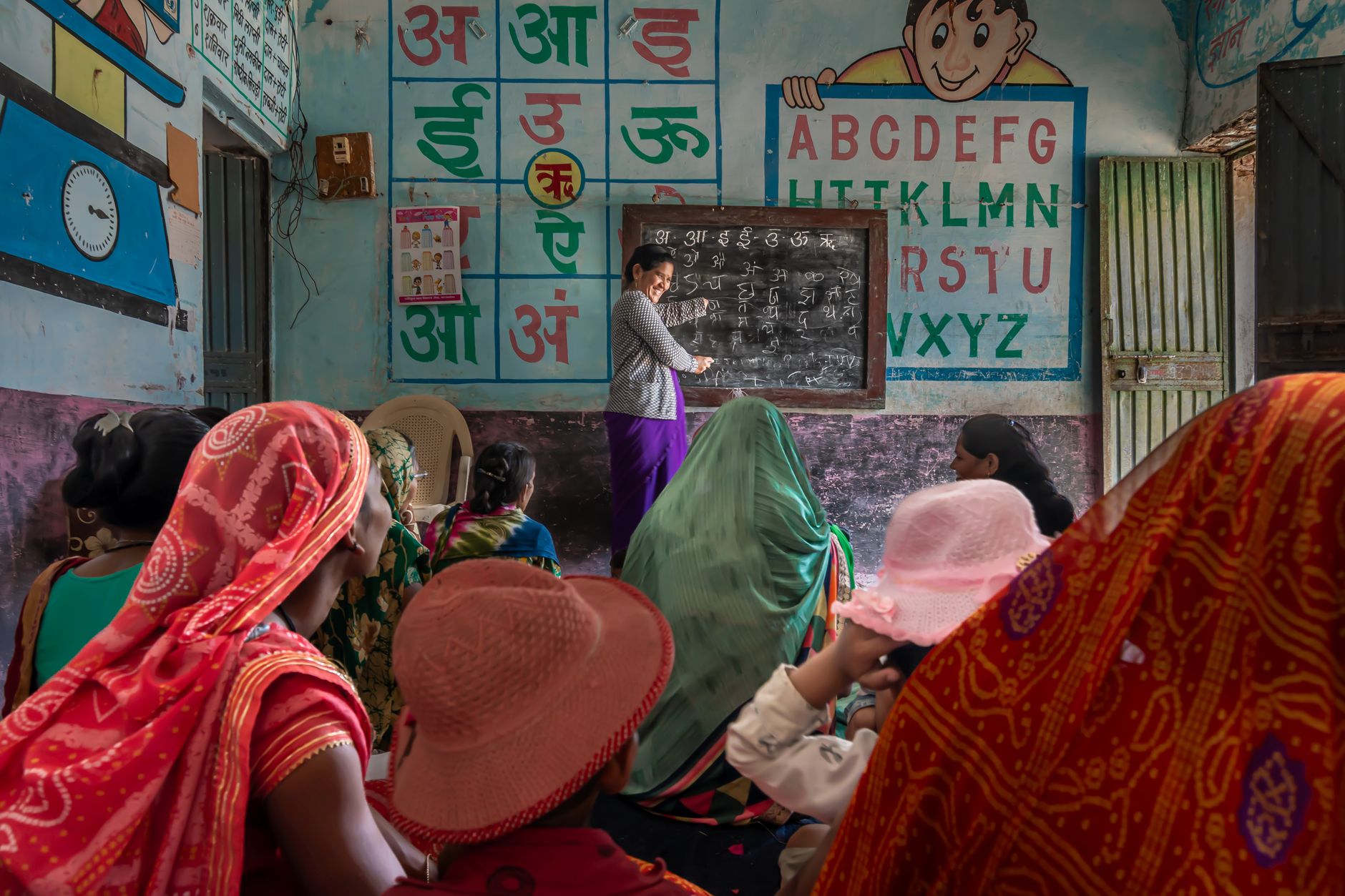
Physical infrastructure remains inadequate in many regions. Thousands of schools operate without basic facilities like functional toilets, drinking water, electricity, and libraries. Teacher shortages plague the system, with single-teacher schools common in remote areas. The student-teacher ratio in many states exceeds recommended norms, making individual attention nearly impossible.
Resource allocation presents another challenge. While education receives budgetary attention, the funds often fail to reach grassroots levels effectively. Mid-day meal schemes, textbook distribution, and infrastructure development face implementation bottlenecks. Private coaching centers have mushroomed to fill perceived gaps, creating a parallel education economy that advantages those who can afford it.
The Quality Crisis
Rote learning continues to dominate pedagogical approaches despite policy emphasis on critical thinking and creativity. Examination systems prioritize memorization over understanding, producing students who can recall facts but struggle with application and analysis. This approach ill-equips graduates for rapidly evolving job markets demanding innovation, problem-solving, and adaptability.
Higher education faces its own quality concerns. While premier institutions maintain global standards, the vast majority of colleges struggle with outdated curricula, under-qualified faculty, and poor research output. Degree inflation has occurred without corresponding skill development, leading to the paradox of educated unemployment where graduates lack employability despite formal qualifications.
Equity and Access Issues
Social disparities permeate the education system. Children from marginalized communities, particularly Scheduled Castes, Scheduled Tribes, and minority groups, face multiple barriers including discrimination, poverty, and lack of neighborhood schools. Gender gaps persist, especially in secondary and higher education in conservative regions.
Urban-rural divides create vastly different educational experiences. Metropolitan students access international-standard facilities while rural counterparts may lack basic teaching materials. Language barriers affect children whose mother tongue differs from the medium of instruction, hampering comprehension and confidence.
The Employment Disconnect
Perhaps the most troubling aspect is the gulf between education and employment. Industries report that fresh graduates require extensive training before becoming productive employees. Technical education often teaches obsolete technologies, while general education provides little practical skill development. This mismatch contributes to youth unemployment and underemployment despite economic growth.
The emphasis on engineering and medical streams has created imbalances, with thousands of engineering graduates driving cabs or working in unrelated fields while skilled trades face labor shortages. Vocational education carries social stigma despite offering practical livelihood opportunities.
The Path Forward
Addressing these challenges requires systemic reforms beyond incremental changes. Teacher training must improve dramatically, with continuous professional development and performance accountability. Curriculum modernization should emphasize skills over syllabus coverage, incorporating digital literacy, environmental awareness, and life skills.
Technology offers opportunities but requires thoughtful implementation. Digital resources can enhance learning but cannot replace quality teaching. Infrastructure investment must prioritize basic facilities before advanced technology.
Most importantly, education needs reimagining as a holistic development process rather than credential accumulation. This means valuing diverse talents, recognizing multiple intelligences, and creating pathways for varied aspirations beyond traditional academic routes.
The trauma experienced by young Indians stems not just from system failures but from crushed aspirations when education fails to deliver promised opportunities. Fixing this requires political will, sustained investment, community participation, and recognition that education determines national destiny. The demographic dividend India anticipates depends entirely on converting its young population into skilled, thinking, adaptable citizens—a goal achievable only through education system transformation.