India's tourism landscape has undergone a remarkable transformation, with domestic travelers now contributing a staggering 86% of total travel spending in the country. This shift marks a significant departure from the traditional focus on international tourist arrivals and highlights the growing economic power of Indian travelers exploring their own backyard.
The Rise of the Domestic Traveler
The dominance of domestic tourism spending reflects several converging trends in Indian society. Rising disposable incomes, particularly among the middle class, have made travel more accessible to millions of households. The proliferation of budget airlines, improved road infrastructure, and competitive hotel pricing have further democratized travel across the country.
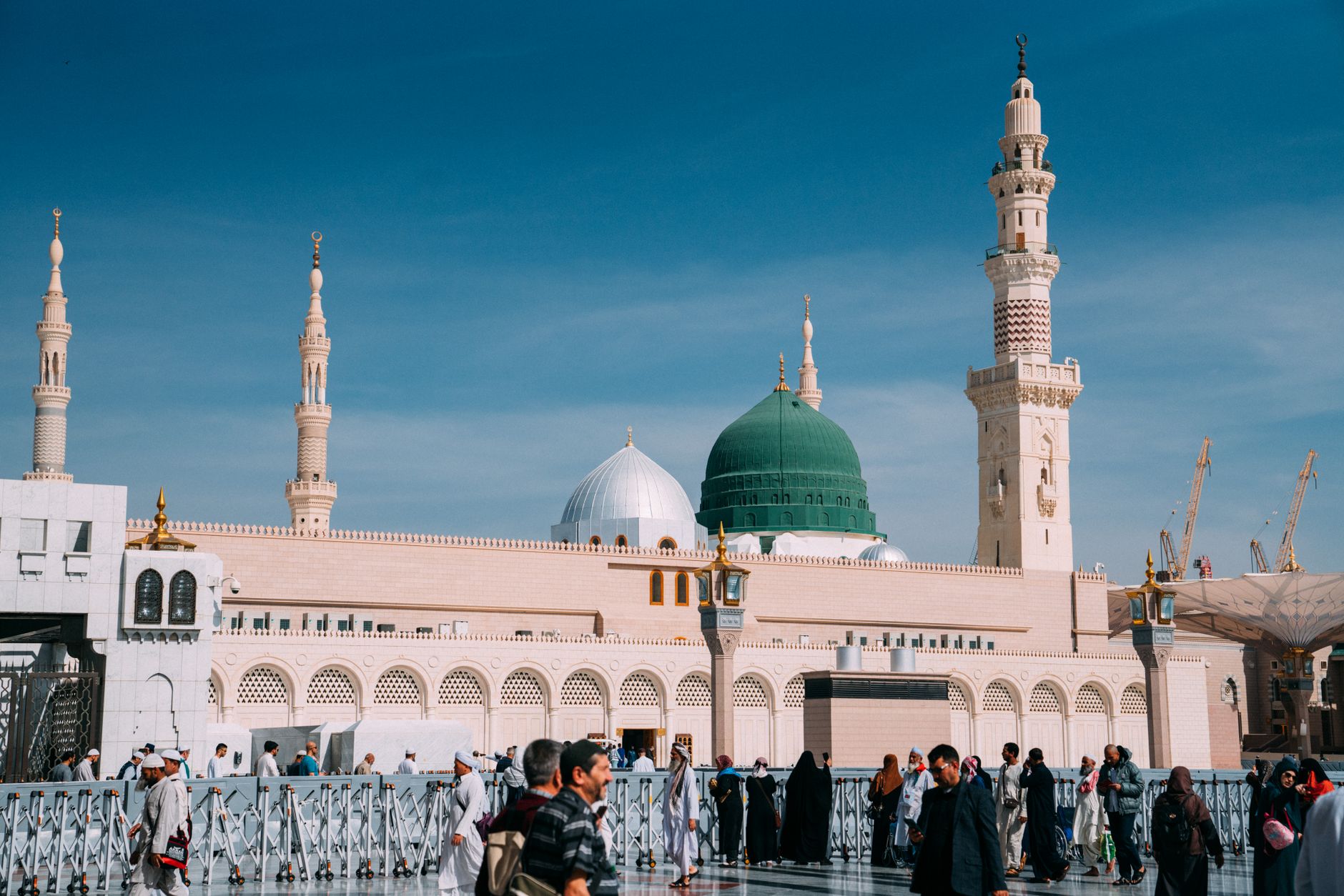
Indians are increasingly viewing domestic travel not as a luxury but as an essential part of their lifestyle. Weekend getaways, family vacations during school breaks, and pilgrimages have become regular fixtures in household budgets. The pandemic accelerated this trend, as international travel restrictions forced Indians to discover destinations within their own borders, many of which they found equally appealing.
What the Numbers Tell Us
When domestic tourism accounts for such a large proportion of travel spending, it fundamentally reshapes the industry's priorities and strategies. Hotels, airlines, tour operators, and destination marketers are now tailoring their offerings specifically for Indian travelers rather than predominantly focusing on foreign visitors.
This spending includes transportation, accommodation, food and beverage, shopping, entertainment, and local experiences. The sheer volume of domestic travelers means that even smaller per-trip expenditures add up to massive economic impact. A family road trip to a nearby hill station or a group pilgrimage to a temple town collectively generates more revenue than luxury international tourists in many regions.
Regional Impact and Employment
The domestic tourism boom has created employment opportunities across India's smaller towns and cities, not just in traditional tourist hubs. Home stays in rural areas, local guides, transportation services, and handicraft vendors are all benefiting from this trend. States with natural beauty, cultural heritage, or religious significance are experiencing economic growth directly linked to domestic visitor spending.
Destinations that were previously overlooked are now on the map. Social media has played a crucial role in this discovery, with influencers and regular travelers showcasing lesser-known locations that quickly become trending destinations. This has helped distribute tourism revenue more evenly across the country rather than concentrating it in a few major cities.
Changing Travel Patterns
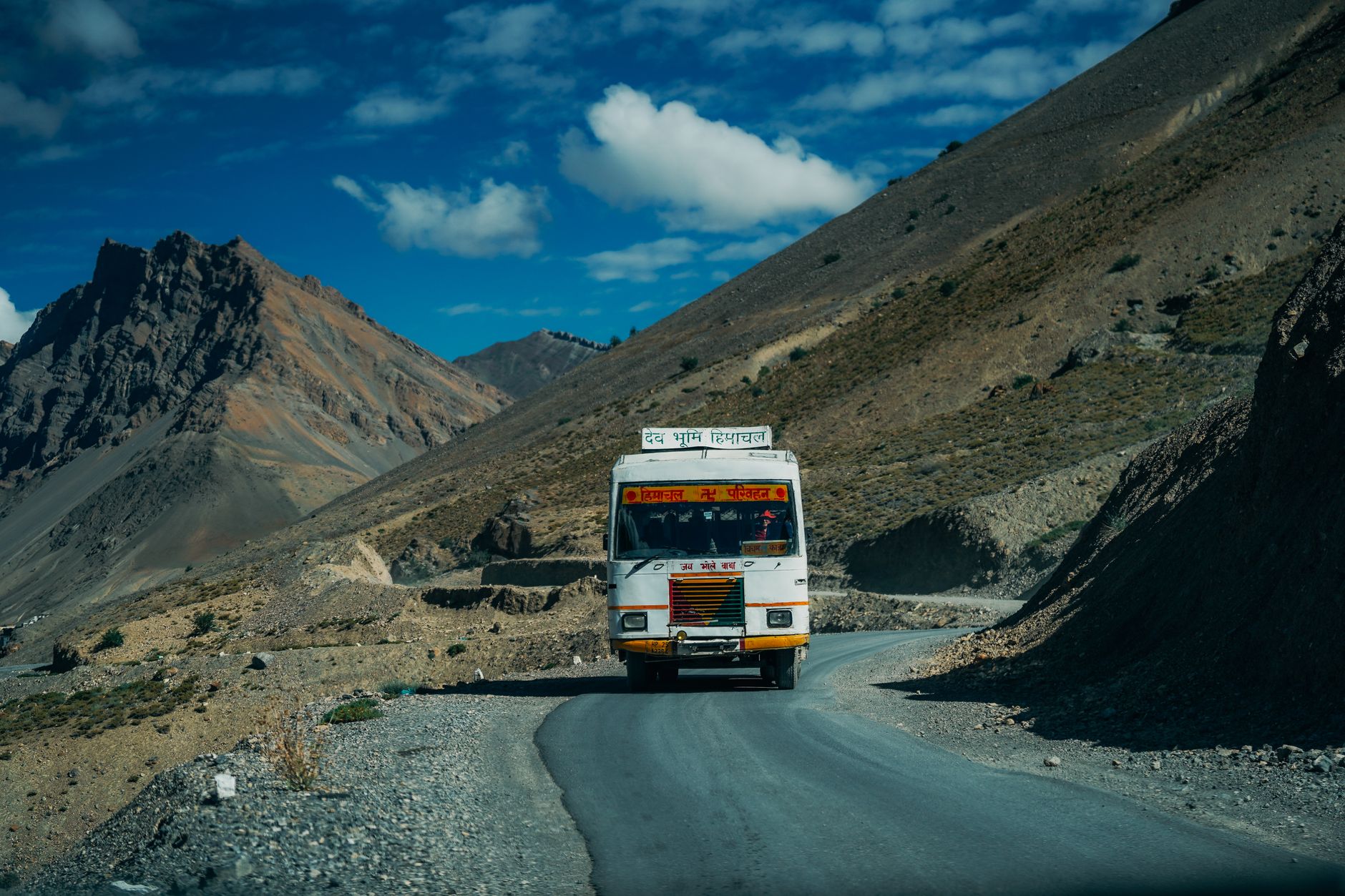
Indian domestic travelers are also becoming more sophisticated in their preferences. Beyond traditional pilgrimage and family visits, there's growing demand for adventure tourism, wellness retreats, culinary experiences, and experiential stays. Younger travelers particularly seek unique experiences, from glamping in Ladakh to backpacking through the Northeast.
The rise of online travel agencies and aggregator platforms has made trip planning easier and more transparent. Travelers can compare prices, read reviews, and book entire itineraries from their smartphones, removing many traditional barriers to travel.
Challenges and Opportunities
While the domestic tourism boom presents enormous opportunities, it also brings challenges. Popular destinations are facing overcrowding issues, infrastructure strain, and environmental degradation. Hill stations, beaches, and heritage sites report visitor numbers exceeding their carrying capacity during peak seasons.
The industry must balance growth with sustainability. This means investing in better infrastructure, implementing crowd management strategies, and educating travelers about responsible tourism. States and tourism boards are beginning to promote off-season travel and alternative destinations to distribute visitor flow more evenly.
The Path Forward
For businesses in the travel sector, the message is clear: understanding and catering to domestic travelers is no longer optional. This means offering value-for-money packages, accepting digital payments, providing services in regional languages, and respecting cultural preferences around food, accommodation, and activities.
The government's focus on developing tourist infrastructure, improving connectivity to remote areas, and promoting diverse destinations through campaigns like "Dekho Apna Desh" (See Your Own Country) will likely sustain this momentum.
As India's economy continues to grow and more citizens join the consuming class, domestic tourism spending could reach even higher proportions. This self-sustaining cycle of economic growth and travel spending creates a robust foundation for India's tourism sector, making it less vulnerable to global uncertainties that affect international travel.
The 86% figure isn't just a statistic—it's a reflection of India's evolving relationship with travel, leisure, and self-discovery.