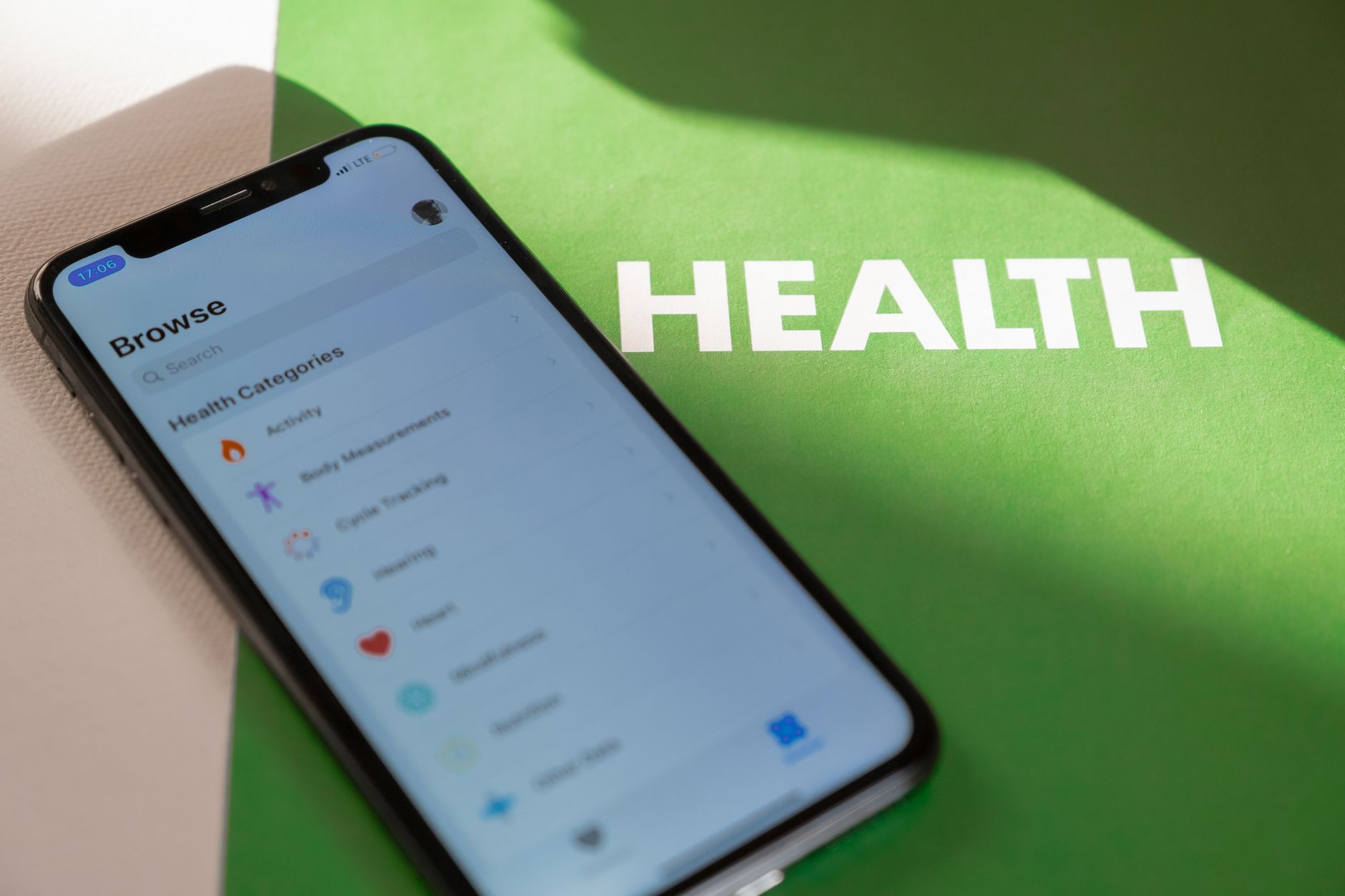
India is witnessing a fundamental transformation in healthcare delivery and management, moving from scattered paper-based systems to an integrated digital ecosystem that places citizens at the centre. This shift represents more than technological upgrades—it signals a philosophical change in who controls and benefits from health information.
The Traditional Healthcare Information Challenge
For decades, Indian patients have grappled with fragmented health records scattered across multiple hospitals, clinics, and diagnostic centres. A person seeking treatment at a new facility would often need to carry physical files, struggle to recall medication histories, or repeat expensive diagnostic tests because previous results were unavailable. This fragmentation led to inefficiencies, increased costs, and sometimes compromised care quality.
The lack of continuity meant healthcare providers made decisions with incomplete information, while patients had limited understanding of their own health trajectories over time. Ownership of health data remained ambiguous, trapped in institutional silos rather than residing with the individual whose body generated that information.
The Ayushman Bharat Digital Mission Framework
The Ayushman Bharat Digital Mission (ABDM) launched by the government represents India's ambitious blueprint for digital health infrastructure. At its core lies a simple but revolutionary principle: every citizen should have a unique health identity and the ability to access, control, and share their complete health records digitally.
The architecture includes several key components working together. The Health ID provides a unique 14-digit identification number for every willing citizen, creating a digital health account. This links to a Personal Health Records system where individuals can store and retrieve their medical history, prescriptions, diagnostic reports, and discharge summaries from any linked healthcare provider.
Healthcare professionals and facilities also receive digital registries, creating a verified ecosystem of providers. Patients can discover registered doctors and facilities, book appointments, and share specific health information with chosen providers—all while maintaining control over who accesses what data.
Citizen Empowerment Through Data Ownership
The shift to digital health ownership offers several tangible benefits for ordinary citizens. Patients gain portability—their health records travel with them regardless of geography or provider. Someone moving from Mumbai to Bangalore, or even to rural areas, can carry their complete medical history without physical documents.
Continuity of care improves dramatically when doctors can view a patient's medication history, allergies, previous diagnoses, and treatment responses. This reduces dangerous drug interactions, prevents redundant testing, and enables more informed clinical decisions.
Financial benefits also emerge. Eliminating duplicate tests saves money, while digital prescriptions and records reduce administrative overhead. Insurance claims become smoother when documented treatment histories exist digitally. Patients can comparison-shop among providers with access to their own data, introducing market forces that could improve service quality and pricing.
Privacy and Security Considerations
With great data ownership comes significant responsibility for privacy protection. The digital health ecosystem implements consent-based sharing, meaning health information cannot be accessed by providers or insurers without explicit patient permission for each transaction.
Data encryption, secure storage protocols, and audit trails track who accessed what information and when. Regulatory frameworks are evolving to penalize unauthorized access or data breaches, though enforcement mechanisms continue developing.
Citizens must understand their rights—that they can grant or revoke access, download their records, and question how their information is used. Digital literacy becomes crucial as healthcare becomes increasingly technology-mediated.
Implementation Challenges and Progress
Rolling out nationwide digital health infrastructure in a country of 1.4 billion people involves substantial challenges. Digital literacy varies enormously across urban-rural and socioeconomic divides. Many citizens, particularly elderly or rural populations, may struggle with smartphone-based health systems.
Healthcare provider adoption also varies. While large hospital chains and corporate healthcare systems integrate quickly, smaller clinics and individual practitioners may lack resources or motivation to participate. Ensuring interoperability—that different systems can communicate seamlessly—requires ongoing technical standardization.
Despite challenges, adoption is growing. Millions of Health IDs have been created, and increasing numbers of healthcare facilities are linking to the digital ecosystem. Success stories of patients accessing records across providers or managing chronic conditions through connected apps demonstrate real-world value.
The Road Ahead
India's digital health transformation reflects broader trends toward patient-centric care globally. As the infrastructure matures, possibilities expand—artificial intelligence could analyze population health patterns, personalized medicine could be delivered at scale, and preventive care could become more targeted and effective.
The ultimate measure of success will be whether ordinary citizens—not just urban, educated populations—genuinely experience improved health outcomes, reduced costs, and greater agency in their healthcare journeys.
This article is for general informational purposes only and does not constitute medical or technical advice. Readers should consult healthcare professionals for specific health concerns and follow official guidelines when participating in digital health programs.