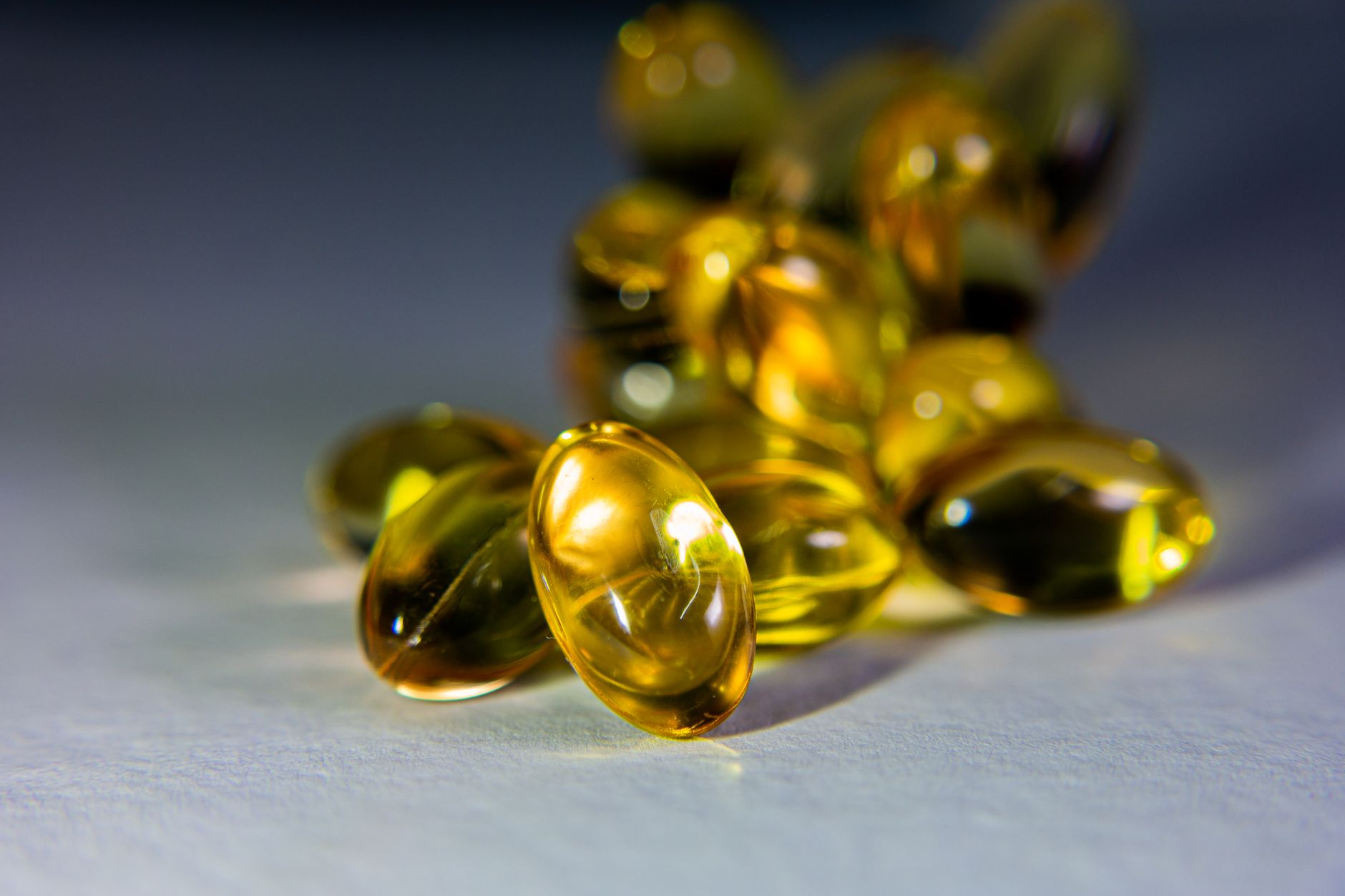
The global nutraceutical industry has witnessed a significant development with the announcement of a strategic partnership between the Organic & Natural Health Association and SHEFEXIL, India's apex body for pharmaceuticals and healthcare exports. This collaboration signals a deepening trade relationship in the booming supplements and functional foods sector between the United States and India.
Understanding Nutraceuticals
Nutraceuticals are products derived from food sources that offer health benefits beyond basic nutrition. This category includes dietary supplements, herbal products, functional foods, and medicinal foods. The global nutraceutical market has experienced explosive growth in recent years, driven by increasing health consciousness, aging populations, and a shift toward preventive healthcare.
India has emerged as a major player in this space, leveraging its rich tradition of Ayurveda, abundant natural resources, and strong manufacturing capabilities. The country supplies a significant portion of the world's herbal extracts, vitamins, and supplement ingredients.
Why This Partnership Matters
The collaboration between these two organizations addresses several critical aspects of the international nutraceutical trade. Supply chain efficiency has become paramount as demand for natural health products continues to surge in Western markets. By establishing stronger ties between American distributors and Indian manufacturers, the partnership aims to reduce bottlenecks and ensure more reliable product flows.
Quality assurance represents another cornerstone of this initiative. The nutraceutical industry faces ongoing scrutiny regarding product safety, ingredient authenticity, and manufacturing standards. A formalized partnership can help harmonize quality protocols, implement better testing procedures, and ensure that products meet both Indian export standards and American import requirements.
India's Role in Global Nutraceutical Supply
India's advantages in the nutraceutical sector are considerable. The country possesses extensive biodiversity, with many medicinal plants growing naturally or being cultivated specifically for health applications. Traditional knowledge systems like Ayurveda provide a foundation for ingredient selection and formulation.
Manufacturing costs in India remain competitive, allowing companies to produce supplements at scale while maintaining reasonable price points. Additionally, India has invested heavily in pharmaceutical-grade manufacturing facilities, many of which also produce nutraceutical products under strict quality controls.
The country exports turmeric extracts, ashwagandha, triphala, moringa, and numerous other botanical ingredients that have gained popularity in Western wellness markets. Indian manufacturers also produce vitamins, minerals, amino acids, and other essential nutritional compounds.
Implications for American Consumers
For health-conscious consumers in the United States, this partnership could translate into several tangible benefits. Greater supply chain stability may help prevent the shortage situations that occasionally affect popular supplements. Improved quality oversight could enhance confidence in product safety and efficacy.
The collaboration may also facilitate the introduction of traditional Indian botanical ingredients into the American market. As consumers increasingly seek natural alternatives and explore diverse wellness traditions, easier access to properly manufactured and tested Ayurvedic ingredients could expand available options.
Price stability represents another potential advantage. Efficient supply chains typically reduce costs associated with delays, quality failures, and logistical complications, savings that can be passed along to end consumers.
Challenges and Considerations
Despite the promising aspects of this partnership, several challenges remain. Regulatory differences between countries can create complications, as the United States FDA regulates supplements differently than Indian authorities do. Harmonizing paperwork, testing protocols, and compliance requirements requires ongoing effort.
Cultural differences in how ingredients are traditionally used versus how they're marketed as supplements also require careful navigation. An herb used one way in Ayurvedic practice might be sold quite differently as a standardized extract in American stores.
Sustainability concerns are increasingly important to consumers. As demand for botanical ingredients grows, ensuring that sourcing practices don't deplete natural resources or harm local ecosystems becomes critical.
Looking Forward
This partnership reflects broader trends in the global health industry. As consumers worldwide seek natural, plant-based health solutions, international cooperation becomes essential for meeting demand responsibly. The US-India collaboration in nutraceuticals could serve as a model for similar initiatives between other nations.
For the industry, such partnerships may drive innovation in extraction technologies, quality testing methods, and sustainable sourcing practices. They also create frameworks for addressing emerging challenges like climate change impacts on ingredient availability and evolving regulatory landscapes.
This article provides general information about industry developments and is not intended as medical, health, or financial advice. Consult qualified healthcare professionals before starting any supplement regimen.