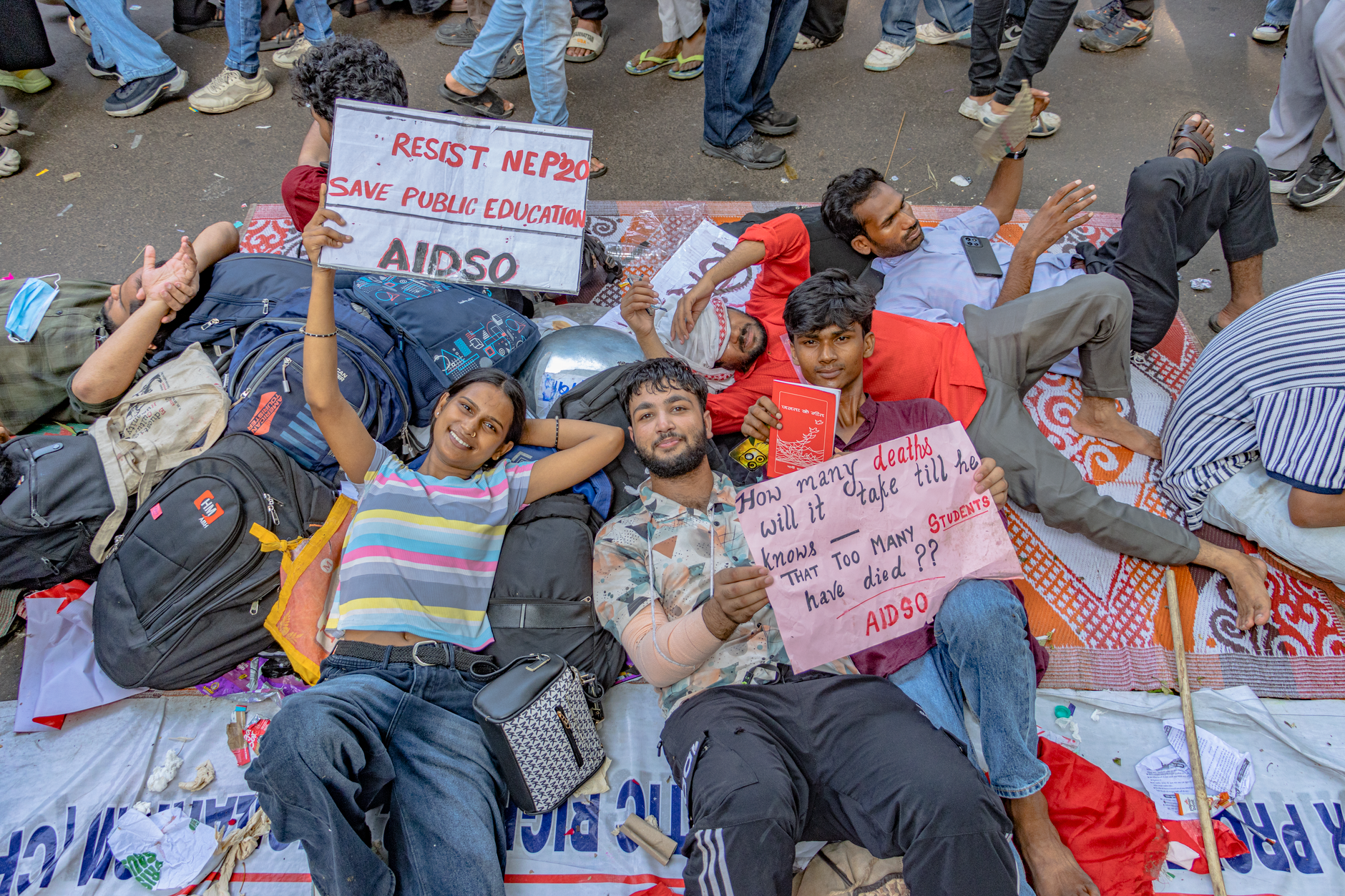
The unusual sight of cockroaches being sent to government offices as a form of protest has ended with significant political consequences in India's education sector. The incident, which captured national attention, highlighted deep-seated frustrations within the country's examination system and ultimately led to a ministerial resignation.
Understanding the Cockroach Protest
The protest method, while unconventional, was symbolic. Agitating students and civil society groups reportedly sent cockroaches to government offices to represent what they perceived as a "pest-ridden" examination system. This creative form of demonstration emerged from frustration over alleged irregularities in competitive examinations, particularly those conducted for government job recruitments and professional courses.
The cockroach became a metaphor for corruption and mismanagement that protesters claimed had infested India's examination infrastructure. Such symbolic protests are not entirely new to India's activist landscape, where citizens have previously used creative methods to draw attention to governance issues.
The Examination Crisis
India's competitive examination system serves millions of aspirants annually who compete for limited seats in prestigious institutions and government positions. The system includes entrance tests for medical colleges, engineering institutions, civil services, and various state-level recruitments.
Recent controversies have centered on:
- Allegations of paper leaks before examinations
- Questions about marking irregularities and grace marks
- Concerns over examination center infrastructure
- Delays in result declarations affecting students' academic timelines
- Lack of transparency in the evaluation process
These issues affect not just students' immediate futures but also have broader implications for merit-based selection in Indian institutions. For many families, particularly from middle and lower-income backgrounds, these examinations represent the primary pathway to upward social mobility.
Political Fallout and Ministerial Resignation
The mounting pressure from protests, media coverage, and opposition political parties created an untenable situation for the government. The resignation of a senior education official or minister in such circumstances typically reflects the government's attempt to acknowledge public grievances and signal its commitment to reform.
Such resignations in India's political landscape often serve multiple purposes. They can deflect criticism from the broader government, allow for a reset in policy direction, and provide an opportunity to install new leadership with a fresh mandate to address systemic issues.
Broader Implications for India's Education System
This controversy underscores several structural challenges facing India's education sector:
The sheer scale of India's examination system makes it vulnerable to logistical failures. When millions of students appear for tests simultaneously across diverse geographical locations, maintaining uniformity and security becomes exceptionally challenging.
The high stakes involved create intense pressure on all stakeholders. Students invest years of preparation, families commit substantial financial resources, and coaching industries have grown into multi-billion rupee enterprises around these examinations.
Technology adoption, while improving efficiency, has introduced new vulnerabilities. Digital examination systems require robust cybersecurity measures, while traditional paper-based tests remain susceptible to physical security breaches.
Path Forward
Addressing these systemic issues requires multi-pronged reforms:
- Strengthening examination security protocols with better technology integration
- Increasing transparency in evaluation processes
- Establishing independent oversight bodies for major examinations
- Diversifying assessment methods beyond single high-stakes tests
- Improving communication channels between examination authorities and stakeholders
- Regular audits of examination centers and processes
The incident also highlights the power of creative protest in India's democratic framework. When traditional methods of raising grievances seem ineffective, citizens increasingly turn to innovative forms of demonstration that capture media attention and public imagination.
Student Welfare Considerations
Beyond the immediate controversy, the situation draws attention to the mental health impact on students navigating India's competitive examination ecosystem. The pressure to succeed, combined with uncertainty about examination integrity, creates significant stress for young people and their families.
Educational institutions and policymakers must balance maintaining rigorous standards with ensuring fair opportunities for all candidates. This includes addressing regional disparities in access to quality preparation resources and examination infrastructure.
The resolution of this protest, marked by the ministerial resignation, represents both an ending and a beginning. While the immediate agitation may have concluded, the underlying challenges in India's examination system require sustained attention and systematic reform to restore public confidence in one of the nation's most critical institutional frameworks.