The recent success of India's so-called "cockroach movement" in forcing the resignation of a senior education minister marks a rare victory for student activism in the country. Yet as celebrations subside, a more sobering reality emerges: removing a minister is one thing; overhauling a deeply entrenched education system is quite another.
What the Cockroach Movement Achieved
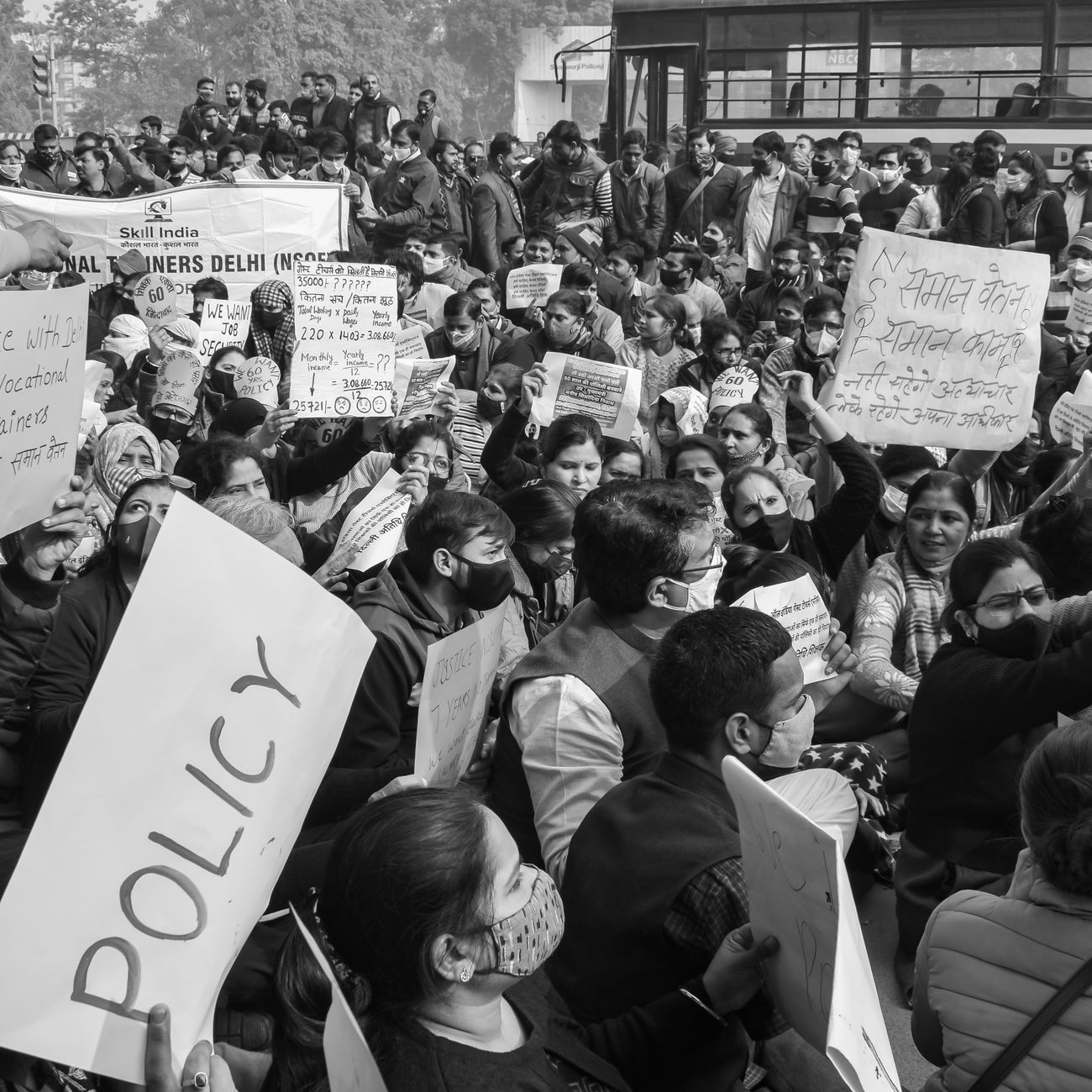
The student-led protests that captured national attention employed creative tactics and sustained pressure to highlight failures in India's education sector. The movement gained its unusual name from protesters' resilience and ability to adapt quickly to opposition, much like the insect itself survives in hostile environments.
The campaign mobilized thousands of students across universities, drawing attention to issues ranging from examination irregularities and outdated curricula to allegations of corruption in educational institutions. Social media amplified their message, with hashtags trending nationally and garnering support from alumni, academics, and parents.
The minister's resignation represents a symbolic win, demonstrating that organized student voices can hold officials accountable. It sends a powerful message about democratic participation and the power of grassroots mobilization in contemporary India.
The Mountain That Remains
However, the challenges facing India's education system run far deeper than any single administrator. With over 260 million students enrolled across schools and universities, India operates one of the world's largest education systems, plagued by structural problems that have persisted for decades.
Infrastructure deficits remain staggering. Thousands of government schools lack basic facilities including proper toilets, clean drinking water, and adequate classroom space. Rural areas particularly suffer from teacher shortages, with many schools operating with staff ratios that make quality education nearly impossible.
The quality gap between government and private institutions continues to widen. Families who can afford private schooling increasingly opt out of the public system, leaving government schools primarily serving the economically disadvantaged—a pattern that perpetuates inequality rather than reducing it.
Systemic Barriers to Reform
Several factors make meaningful education reform extraordinarily difficult in the Indian context:
- Bureaucratic inertia across central and state education departments slows implementation of even approved reforms
- Political interference in university appointments and curriculum decisions undermines academic independence
- The examination-centric culture prioritizes rote learning over critical thinking and skill development
- Language politics complicate policy discussions about medium of instruction
- Vast disparities between states mean one-size-fits-all solutions rarely work effectively
Additionally, India's education sector employs millions of people, many of whom resist changes that might threaten their positions or require retraining. Teachers' unions wield considerable political influence, and their cooperation is essential for implementing reforms.
Financial Constraints
Despite being the world's fifth-largest economy, India allocates roughly 3-4% of GDP to education, below the UNESCO-recommended 6%. This funding gap means that ambitious reforms often lack the resources needed for proper implementation.
States frequently struggle to pay teachers on time, let alone invest in modern teaching aids, digital infrastructure, or professional development programs. The National Education Policy 2020 outlined progressive goals, but questions about funding mechanisms remain largely unanswered.
The Long Road Ahead
Successful education reform requires sustained effort across multiple fronts. It demands not just policy changes but cultural shifts in how society values different types of knowledge and skills. The cockroach movement has demonstrated that public pressure can create accountability, but transforming that pressure into lasting institutional change requires different strategies.
Activists must now transition from protest to policy engagement—a less dramatic but equally important phase. This means participating in committee meetings, drafting detailed reform proposals, building coalitions with sympathetic bureaucrats and politicians, and maintaining momentum even when progress seems glacial.
The movement's real test lies ahead: whether it can channel its energy into constructive engagement with the messy, frustrating work of systemic reform. History suggests that movements often lose steam once immediate objectives are achieved, but India's education crisis demands persistence measured in years, not weeks.
The cockroach movement proved that students can force accountability at the highest levels. Now comes the harder question: can they help build something better in its place? The answer will shape educational opportunities for millions of young Indians in the decades ahead.