Student protests have erupted across India in recent months, with demonstrators adopting the unusual moniker of 'Cockroach' protests to highlight systemic issues in the country's competitive examination ecosystem. These demonstrations reflect deep-seated frustrations among lakhs of aspirants preparing for various government entrance exams, civil services, and other high-stakes tests that determine career trajectories for millions of young Indians.
Understanding the 'Cockroach' Protest Movement
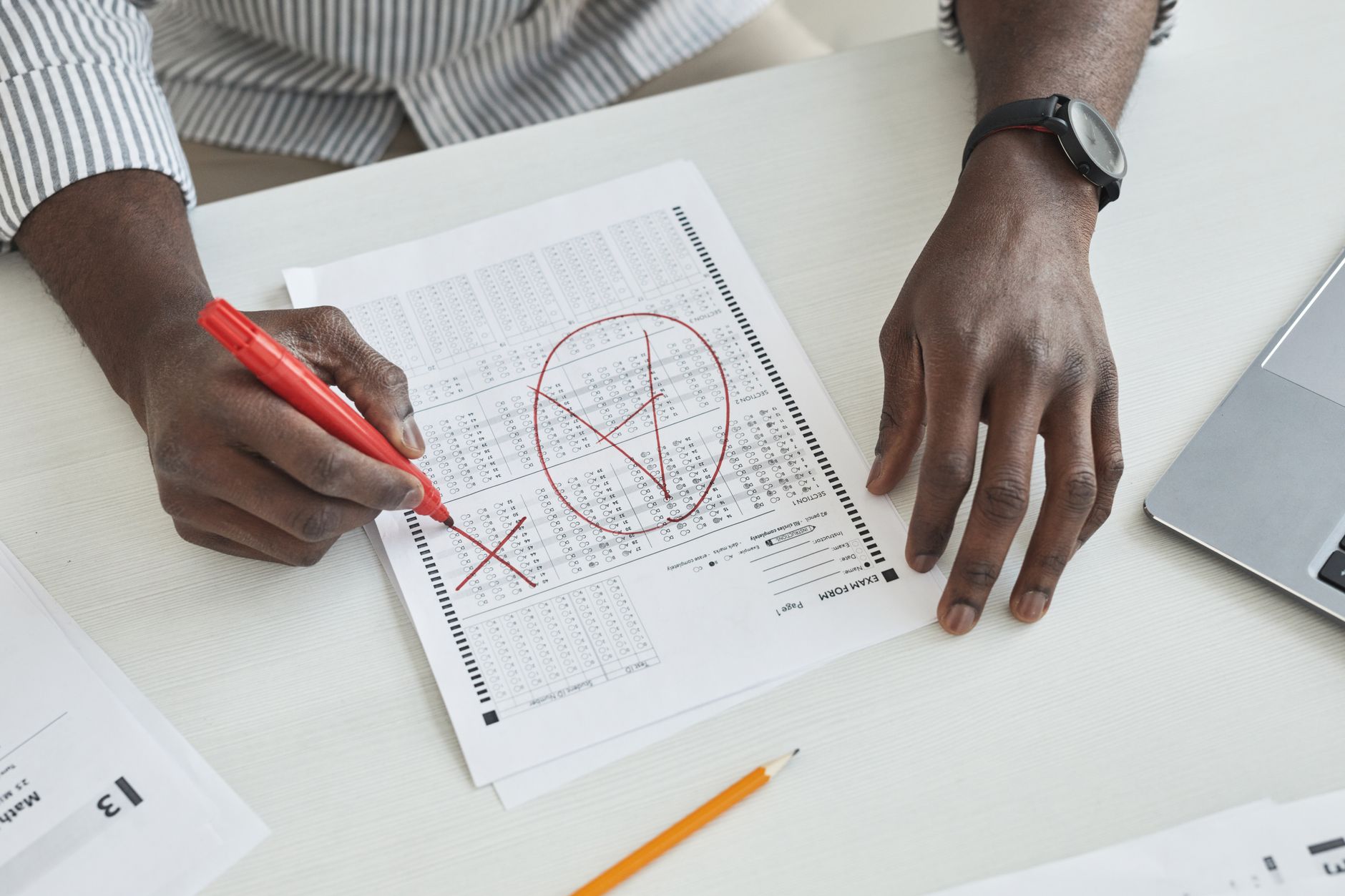
The term 'Cockroach' has been adopted by student protesters as a symbolic reference to how they feel treated by examination authorities and government bodies—as expendable and insignificant despite their sheer numbers. The protests have centered around several key grievances including alleged paper leaks, examination irregularities, last-minute postponements, technical glitches during online exams, and lack of transparency in result declarations.
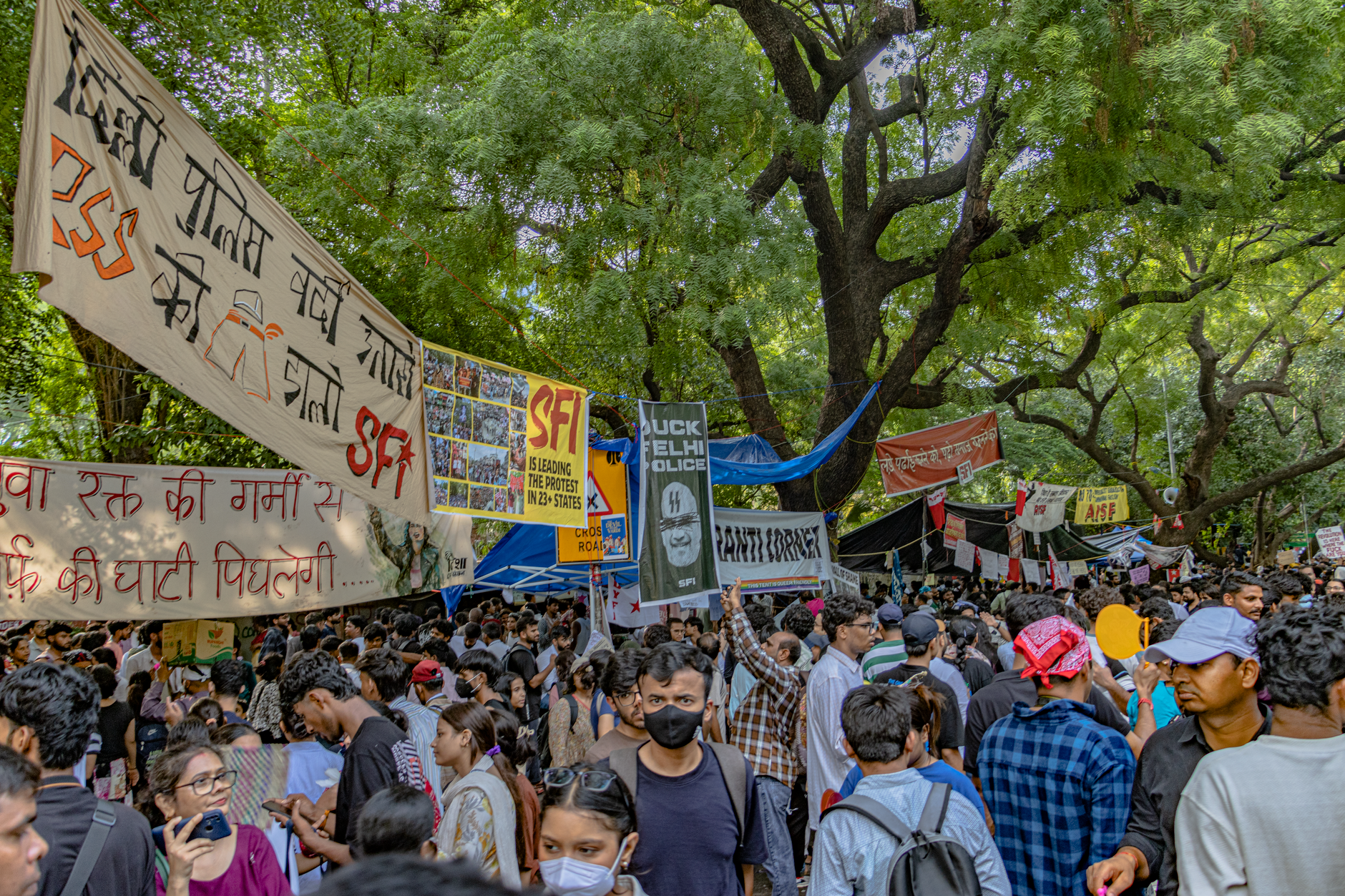
Students have organized demonstrations in major coaching hubs like Delhi's Mukherjee Nagar and Old Rajinder Nagar, Kota in Rajasthan, and other educational centers across the country. The movement has gained momentum through social media platforms, where aspirants share their struggles and coordinate protest actions.
Government's Initial Response
The Indian government's response to these protests has been multi-layered, involving both immediate administrative actions and longer-term policy considerations. Initially, authorities adopted a defensive posture, with various examination conducting bodies issuing statements denying systematic failures and attributing problems to isolated incidents or technical difficulties.
Law enforcement agencies were deployed at several protest sites, leading to confrontations in some instances. Police detained protesters in certain cities, citing concerns about public order and traffic disruptions. These actions drew criticism from student groups and opposition political parties, who accused the government of suppressing legitimate grievances rather than addressing them.
Administrative and Policy Measures
In response to mounting pressure, the government has announced several measures aimed at addressing examination-related concerns:
- Formation of high-level committees to investigate specific instances of paper leaks and irregularities
- Review of security protocols for question paper printing, storage, and distribution
- Proposals for stricter penalties against individuals involved in examination malpractices
- Commitment to improve technical infrastructure for computer-based tests
- Discussions about standardizing examination processes across different conducting bodies
Several examination authorities have also issued public statements acknowledging technical difficulties and promising improvements. The government has emphasized its commitment to ensuring fair and transparent examination processes while maintaining that the vast majority of tests are conducted without incident.
Political Dimensions
The protests have inevitably acquired political dimensions, with opposition parties rallying behind student demands and criticizing the ruling government's handling of the education sector. Political leaders have visited protest sites, issued statements of solidarity, and raised the matter in Parliament and state assemblies.
The government has countered by highlighting its investments in educational infrastructure, digitization initiatives, and reforms in the examination system. Officials have pointed to the massive scale of India's examination ecosystem—conducting tests for millions of candidates annually—as context for understanding occasional technical or administrative challenges.
Ongoing Challenges
Despite governmental responses, many student groups remain dissatisfied, arguing that announced measures do not adequately address systemic issues. Protesters continue to demand comprehensive reforms including:
- Independent oversight mechanisms for examination conducting bodies
- Strict timelines for result declarations and recruitment processes
- Better grievance redressal systems for candidates
- Compensation for students affected by cancelled or postponed examinations
- Criminal prosecution of those involved in paper leak rackets
The government faces the challenging task of balancing administrative efficiency with the legitimate expectations of millions of aspirants who invest years of preparation and significant financial resources in competitive examinations.
Looking Forward
The 'Cockroach' protests have highlighted the urgent need for examination reforms in India's highly competitive educational landscape. While the government has initiated some responsive measures, the effectiveness of these interventions will only become clear over time. The situation underscores broader questions about how India manages its vast examination infrastructure and ensures equitable opportunities for its youth population.
As the dialogue between student groups and authorities continues, the coming months will be critical in determining whether promised reforms translate into meaningful improvements in the examination system. For millions of aspirants, the stakes could not be higher—their futures depend on a system that is fair, transparent, and efficient.