India is experiencing a transportation revolution that is fundamentally changing how people and goods move across the vast nation. With ambitious infrastructure projects, technology integration, and policy reforms, the country is witnessing an unprecedented transformation in its mobility ecosystem.
The Infrastructure Push
The past few years have seen India embark on one of the world's largest infrastructure development programs. The government has invested heavily in building world-class highways, expressways, and road networks that connect previously isolated regions to major economic hubs. The Bharatmala Pariyojana, for instance, aims to optimize the road network through better connectivity and efficiency.
Railway modernization has also taken center stage. Indian Railways, one of the largest railway networks globally, is being upgraded with semi-high-speed trains, improved station facilities, and better passenger amenities. The introduction of Vande Bharat Express trains on multiple routes represents a shift toward faster, more comfortable rail travel for the middle class.
Aviation Expansion
India's aviation sector is experiencing explosive growth. New airports are being constructed in tier-2 and tier-3 cities, making air travel accessible to millions who previously relied solely on road and rail. The UDAN (Ude Desh ka Aam Naagrik) scheme has been instrumental in connecting smaller towns to the national aviation network through subsidized regional flights.
Major metro cities are also expanding their airport capacities. Navi Mumbai, Noida, and Mopa (Goa) are among the new greenfield airports that will ease congestion and handle the growing passenger traffic expected in coming decades.
Metro Rail Networks
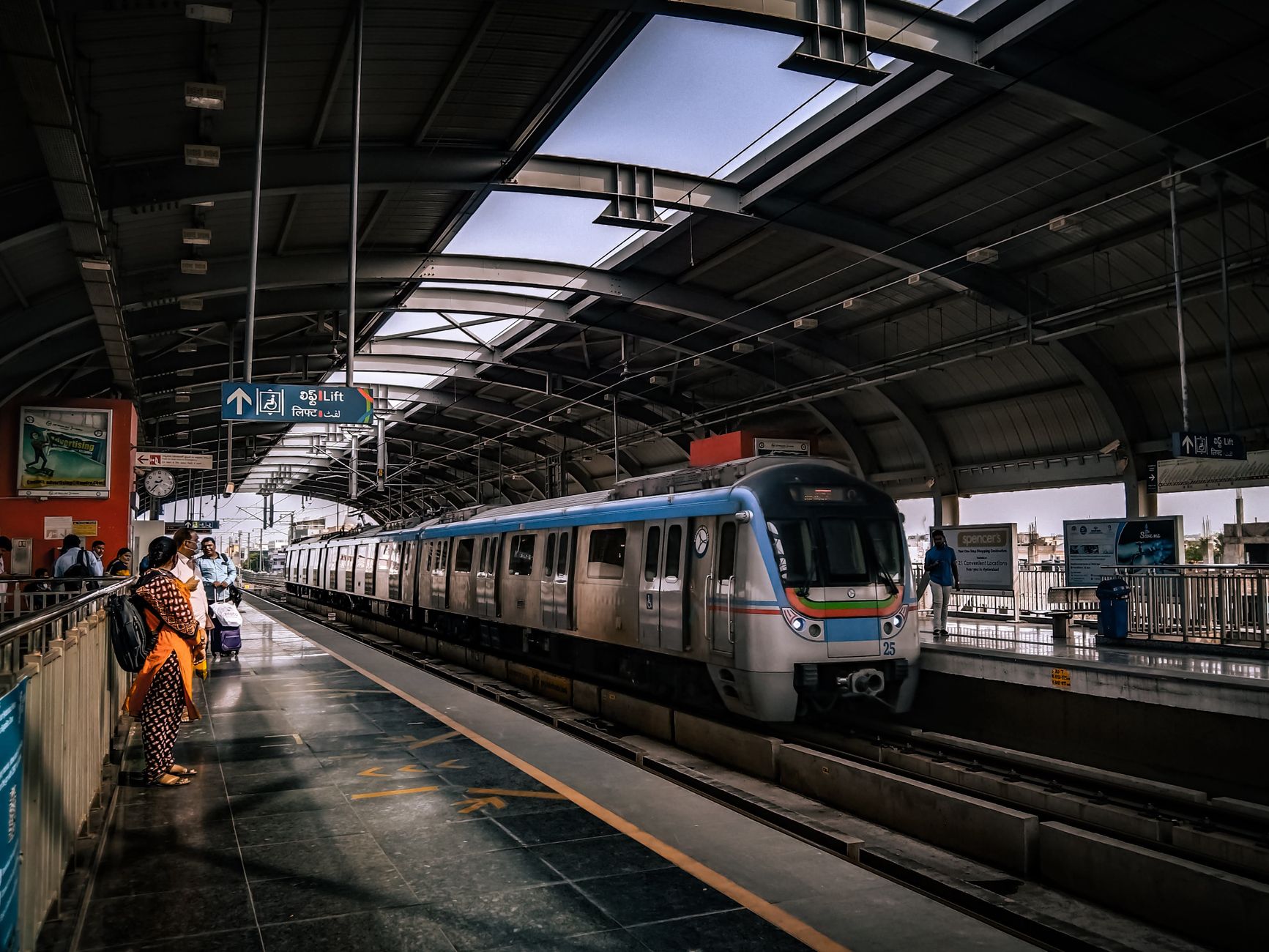
Urban transportation is being revolutionized through metro rail systems. Cities like Delhi, Mumbai, Bengaluru, Hyderabad, Chennai, and Kolkata have established extensive metro networks, while dozens of other cities are either building or planning their own systems. These networks reduce road congestion, cut travel time, and provide environmentally friendly transportation options.
The metro culture has transformed urban commuting patterns, encouraging people to leave their private vehicles at home and opt for public transport. This shift has implications for urban planning, real estate development, and quality of life in congested cities.
Digital Integration
Technology is playing a crucial role in making travel smoother. Digital ticketing systems, real-time tracking apps, and integrated payment solutions have made planning and undertaking journeys more convenient. The One Nation One Card initiative aims to create a unified payment system across different modes of public transport.
Navigation apps and ride-sharing platforms have democratized urban mobility, while e-commerce logistics networks have made remote areas more connected than ever before. The digitization of transport services has improved transparency and reduced the friction traditionally associated with Indian travel.
Waterways and Coastal Shipping
Often overlooked, India's inland waterways and coastal shipping routes are being developed as cost-effective and environmentally sustainable transport alternatives. The Sagarmala Programme focuses on port-led development and aims to harness the country's extensive coastline and river systems for cargo and passenger movement.
Ro-Pax (Roll-on/Roll-off Passenger) ferry services are being introduced on various routes, offering a new dimension to intercity connectivity while reducing the burden on road and rail networks.
Challenges and Opportunities
Despite impressive progress, challenges remain. Last-mile connectivity continues to be problematic in many areas. The integration of different transport modes needs improvement to create truly seamless multimodal journeys. Safety standards, particularly on roads, require continuous attention and enforcement.
However, these challenges present opportunities for innovation and investment. The focus on sustainable transport, electric vehicles, and green mobility solutions aligns India with global environmental goals while creating economic opportunities.
Impact on Economy and Society
Improved mobility has far-reaching implications. Better connectivity boosts trade, enables businesses to access wider markets, and creates employment opportunities. It facilitates tourism, allowing both domestic and international visitors to explore the country's diverse attractions more easily.
For individuals, enhanced transport infrastructure means access to better education, healthcare, and employment opportunities. Migration patterns are changing as people can maintain connections with their hometowns while working in distant cities.
The transformation of India's mobility landscape represents more than just infrastructure development. It reflects the aspirations of a nation on the move, literally and metaphorically, as it positions itself for sustained economic growth and improved quality of life for its citizens.