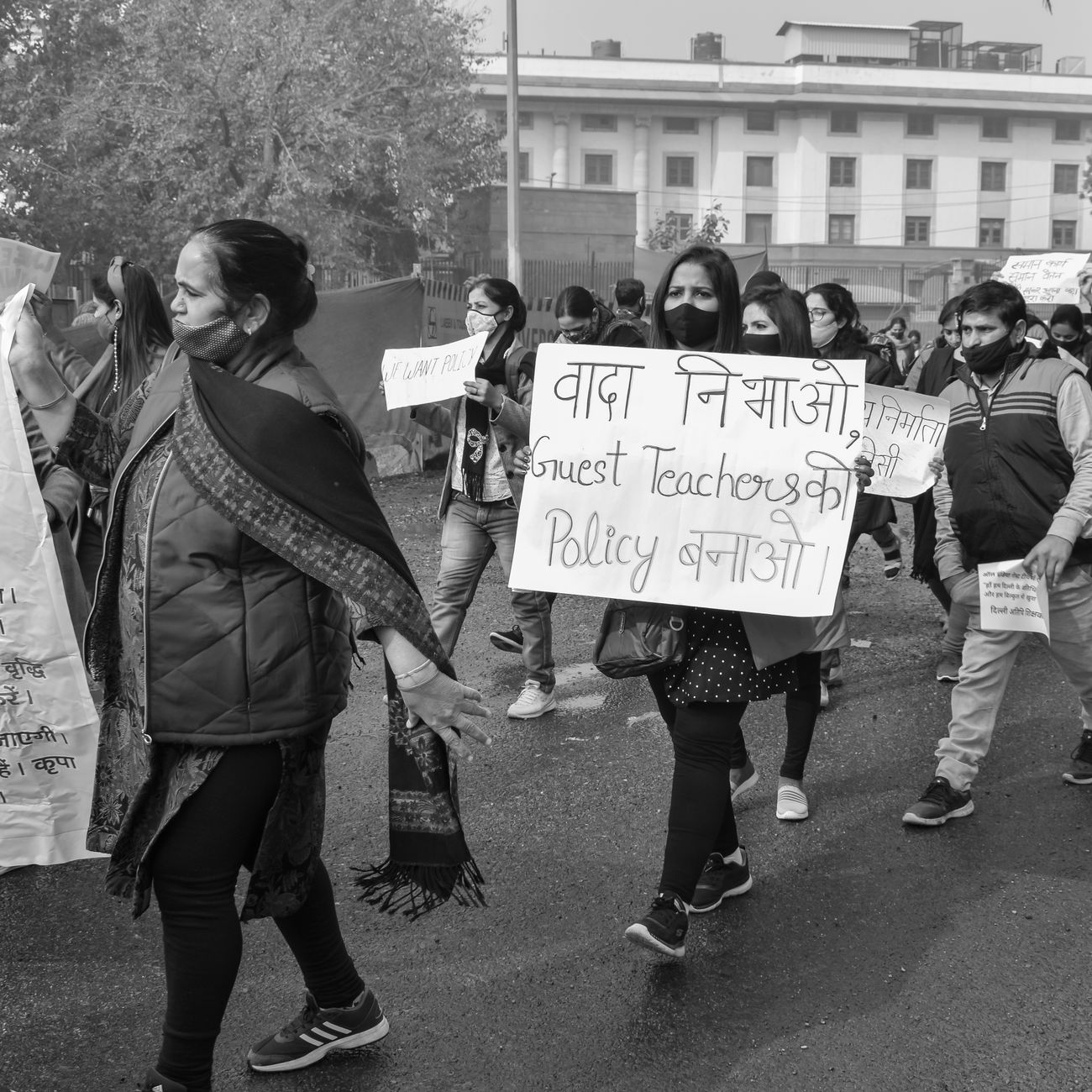
The recent wave of student protests in India has drawn international attention, culminating in the resignation of a senior education minister and highlighting deep-seated concerns about the country's educational governance and examination systems. The movement, which saw thousands of students take to the streets, represents one of the most significant education-related demonstrations in recent years.
The Origin of the Protests
Student protests erupted across multiple states following allegations of widespread irregularities in competitive examinations, particularly those administered for entrance to professional courses and government jobs. These exams are crucial gateways for millions of Indian students seeking higher education and employment opportunities in a highly competitive environment.
The protesters, who faced derogatory labels from some quarters, remained steadfast in their demands for accountability and transparency. Their primary grievances included:
- Alleged paper leaks and cheating scandals in national-level examinations
- Delays in announcing results and conducting re-examinations
- Lack of clear communication from education authorities
- Concerns about the integrity of examination processes
- Demands for compensation for students affected by cancellations
Why These Exams Matter
In India's education ecosystem, competitive examinations serve as critical filters for access to premier institutions and career opportunities. Exams like the NEET for medical admissions, JEE for engineering colleges, and various civil service examinations can determine the entire trajectory of a student's professional life. Any irregularity in these processes affects not just individual aspirations but can impact lakhs of families who invest significant resources in exam preparation.
The pressure surrounding these examinations is immense. Students often prepare for years, attending coaching institutes that have become a parallel education industry worth billions of rupees. When examination integrity is questioned, it undermines years of hard work and creates widespread anxiety among students and parents alike.
The Government's Response
Initially, the government's response to the protests was defensive, with some officials dismissing the concerns or questioning the protesters' motives. However, as the demonstrations gained momentum and public support, authorities were forced to acknowledge the systemic issues plaguing the examination system.
The education minister's resignation represents a significant acknowledgment of accountability, though many observers note that deeper reforms are necessary to address the root causes of these recurring problems. The government has also announced several measures including:
- Formation of high-level committees to investigate examination irregularities
- Promises of stricter anti-cheating measures and penalties
- Review of examination conducting bodies and their protocols
- Enhanced security measures for question paper handling and distribution
Broader Implications for India's Education System
This episode has sparked a broader conversation about India's education system and its ability to serve the needs of its young population. With one of the world's largest youth demographics, India's education infrastructure faces enormous pressure to deliver fair and efficient services.
Critics argue that the over-reliance on high-stakes examinations creates a pressure-cooker environment that encourages malpractice. The examination-centric approach to education has been questioned, with many advocating for more holistic assessment methods and greater emphasis on skill development rather than rote learning.
The Power of Student Activism
The success of these protests demonstrates the growing political consciousness among India's youth. Despite facing criticism and, in some cases, dismissive rhetoric, the students remained organized and focused on their demands. Their ability to mobilize across different states and maintain pressure on authorities showcases the potential of youth movements in democratic societies.
Social media played a crucial role in organizing these protests and garnering public support. Students used digital platforms to share information, coordinate demonstrations, and counter what they perceived as misinformation from official sources.
What Comes Next
While the minister's resignation and the calling off of the strike mark the end of this immediate crisis, significant challenges remain. The government must now follow through on its promises of reform and ensure that examination systems are genuinely transparent and fair. Students and civil society groups have indicated they will remain vigilant about implementation of promised changes.
The incident also serves as a reminder that education policy cannot be formulated in isolation from the concerns of its primary stakeholders—the students themselves. As India aspires to become a global knowledge economy, ensuring the integrity and fairness of its educational institutions is not just a matter of administrative efficiency but a fundamental requirement for social justice and national progress.