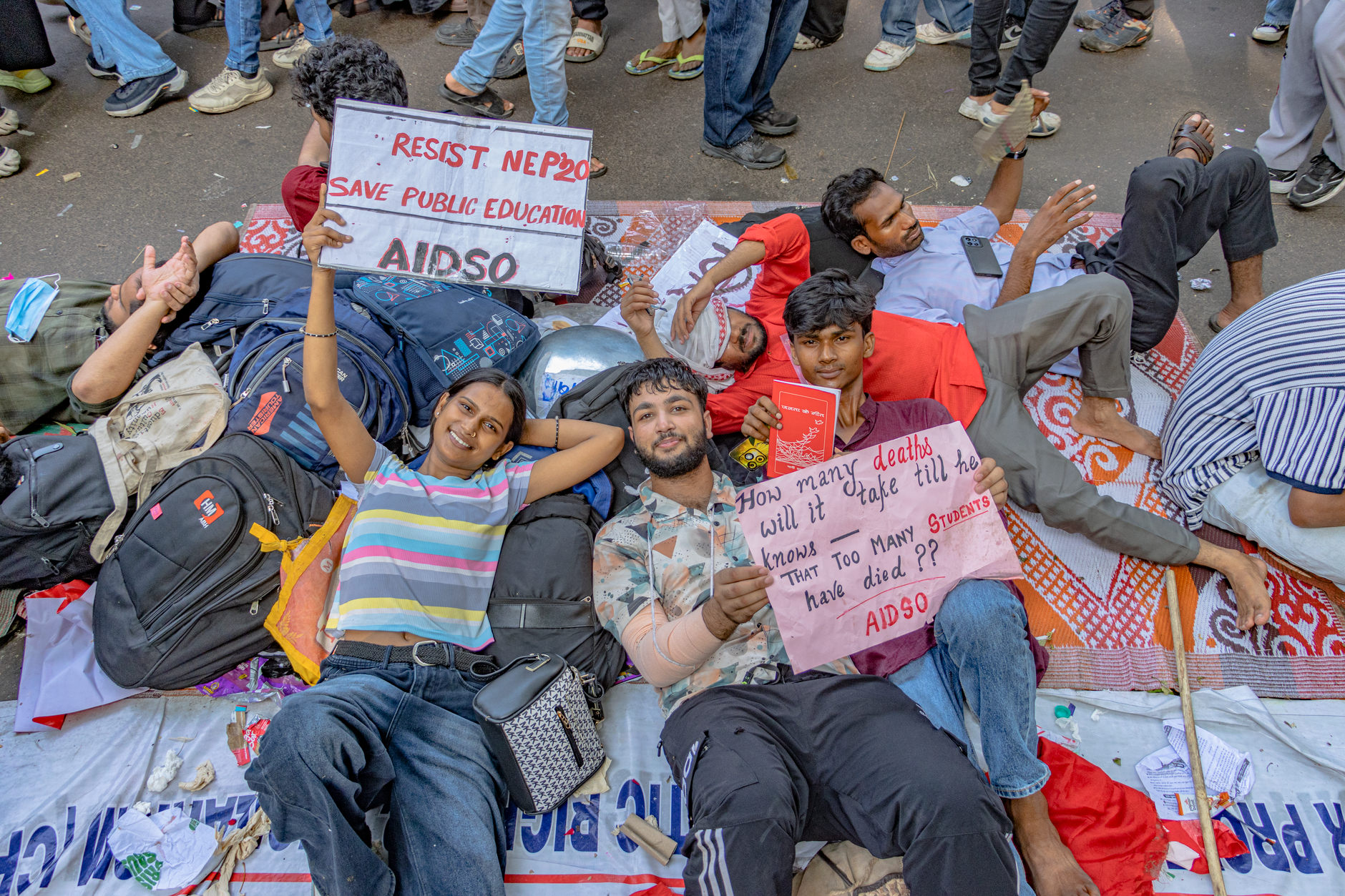
The resignation of India's education minister following sustained student protests marks a significant moment in the country's educational discourse. The demonstrations, nicknamed the 'Cockroach' protests, have brought to the forefront long-standing grievances about educational infrastructure, accessibility, and administrative accountability in one of the world's largest education systems.
Understanding the 'Cockroach' Protests
The protests derive their unusual name from incidents highlighting poor sanitary conditions and infrastructure maintenance in educational institutions. Students and parents have been voicing concerns about inadequate facilities, hygiene issues, and the overall deterioration of learning environments across numerous schools and colleges. The imagery of cockroaches became a symbol representing neglected infrastructure and administrative apathy toward student welfare.
These demonstrations gained momentum through social media, where students shared photographs and videos documenting substandard conditions in hostels, classrooms, and canteens. The movement transcended individual institutions, evolving into a broader conversation about educational priorities and government accountability.
The Broader Context of Educational Challenges
India's education system serves over 260 million students, making it one of the world's largest. However, this scale comes with immense challenges that successive governments have struggled to address comprehensively.
Infrastructure deficits remain a persistent problem, particularly in government-funded institutions and those in rural areas. Many schools lack basic amenities such as functional toilets, clean drinking water, adequate classroom space, and proper ventilation. Hostels and residential facilities, where they exist, often suffer from overcrowding and poor maintenance.
The protests also reflect deeper concerns about educational quality and access. Despite significant progress in enrollment rates, questions persist about learning outcomes, teacher training, and the relevance of curricula to modern job markets. The COVID-19 pandemic further exacerbated existing inequalities, with many students lacking access to digital infrastructure for remote learning.
Student Activism and Democratic Expression
The 'Cockroach' protests represent a growing trend of student activism in India. Young people are increasingly willing to organize, voice dissent, and demand accountability from educational administrators and policymakers. This activism reflects a generation that has grown up with social media tools enabling rapid mobilization and information sharing.
Student movements have historically played important roles in Indian democracy, from pre-independence struggles to contemporary issues. The current protests continue this tradition, focusing specifically on the right to dignified learning environments and quality education.
Implications of the Resignation
The minister's resignation sends a clear message that public pressure and sustained peaceful protests can lead to political consequences. It may encourage greater responsiveness from educational authorities and signal to other states and institutions that student welfare concerns must be addressed seriously.
However, a ministerial resignation alone does not automatically translate into systemic improvement. The underlying issues require sustained policy attention, adequate budget allocations, and effective implementation mechanisms at both central and state levels.
The Path Forward for Educational Reform
Addressing the concerns raised by these protests requires multi-pronged approaches:
- Conducting comprehensive infrastructure audits across educational institutions to identify and prioritize urgent maintenance needs
- Allocating dedicated budgets for facility upgrades, with transparent tracking mechanisms
- Establishing regular inspection systems with student and parent representation
- Creating grievance redressal mechanisms that respond promptly to concerns about living and learning conditions
- Investing in teacher training and curriculum modernization to improve educational quality alongside infrastructure
- Ensuring equitable resource distribution between urban and rural institutions
The protests have also highlighted the need for greater student participation in educational governance. Institutions that incorporate student feedback mechanisms and representation in decision-making bodies often demonstrate better responsiveness to ground-level concerns.
Technology and Transparency
Modern technology offers tools for improving accountability in educational administration. Mobile applications for reporting maintenance issues, transparent budget portals, and real-time tracking of infrastructure projects can help bridge the gap between promises and implementation.
Several states have begun experimenting with such systems, though adoption remains uneven. The current crisis may accelerate the push for technology-enabled governance in the education sector.
Conclusion
The 'Cockroach' protests and subsequent ministerial resignation represent more than a political development—they reflect the aspirations of millions of Indian students for dignified, quality education. While leadership changes may be necessary, sustainable improvement requires commitment to long-term reform, adequate resource allocation, and inclusive governance that genuinely prioritizes student welfare. The coming months will test whether this moment catalyzes meaningful change or remains merely symbolic.