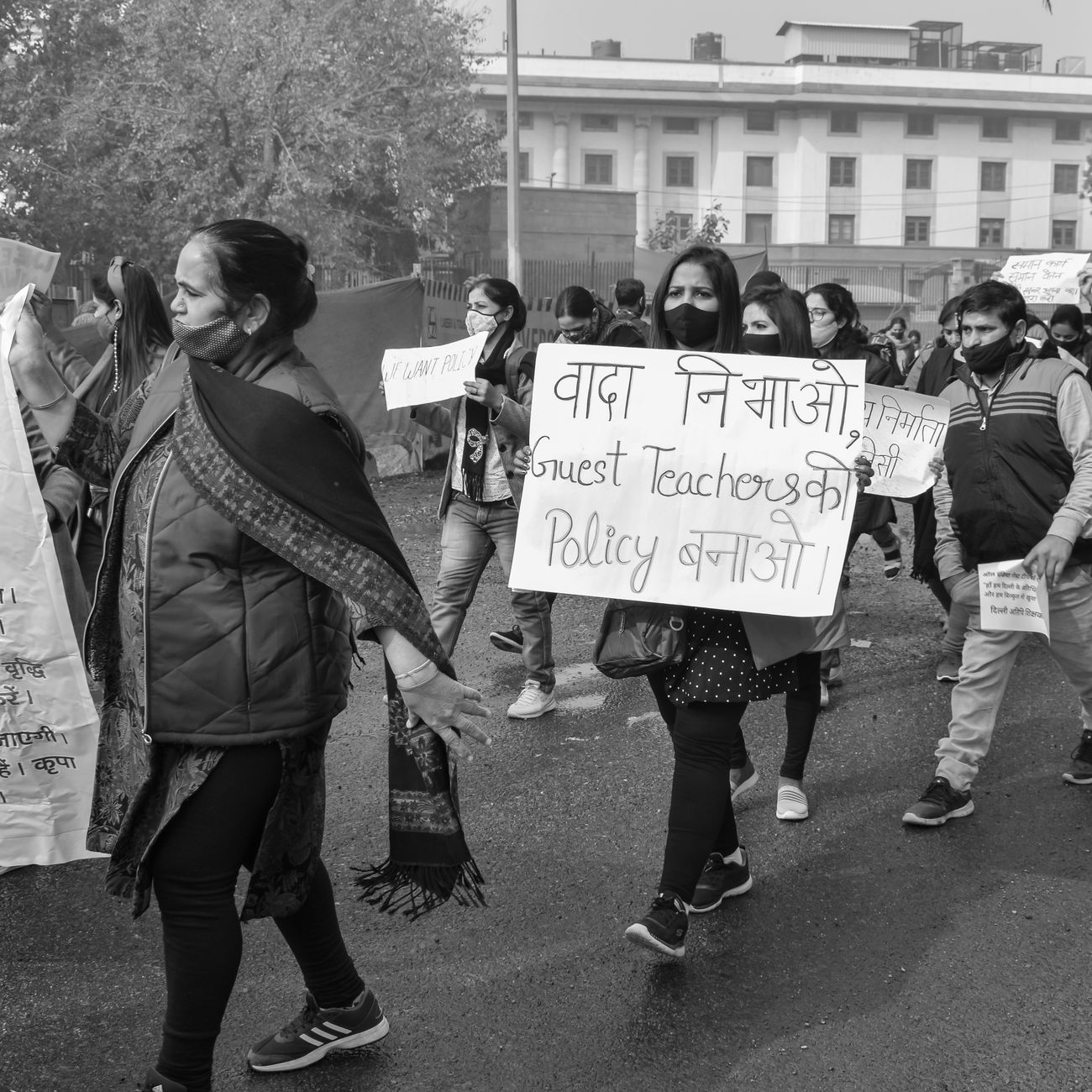
In an unprecedented turn of events, India's education minister has stepped down following sustained pressure from a youth-led protest movement that has captured national attention. The resignation marks a rare instance where student activism has directly resulted in ministerial accountability, setting a potential precedent for future civic engagement in the country.
The Catalyst for Protests
The youth movement, which has been dubbed the "Cockroach" protests by participants, emerged from widespread frustration with India's current educational policies and examination systems. The name itself appears to be a symbolic choice, representing resilience and the ability to survive and thrive despite attempts at suppression—qualities protesters see reflected in their own grassroots organizing.
Student groups across multiple states have raised concerns about several pressing issues affecting India's vast education system. These include the pressure-cooker environment created by competitive examinations, lack of practical skills development, outdated curricula that fail to match industry requirements, and inadequate infrastructure in government schools and colleges.
Key Demands of the Movement
The protesters have articulated a comprehensive list of reforms they believe necessary for modernizing India's education system:
- Reduction in examination-focused teaching methods
- Greater emphasis on critical thinking and creativity
- Improved teacher training and accountability measures
- Increased funding for public educational institutions
- Curriculum updates to include contemporary skills and knowledge
- Mental health support systems for students
- Transparent admission processes for higher education institutions
The movement has particularly resonated with students preparing for high-stakes examinations like the Joint Entrance Examination (JEE) and National Eligibility cum Entrance Test (NEET), who face immense academic pressure and often inadequate preparation resources despite the critical importance these tests hold for their future careers.
How the Movement Gained Momentum
What started as localized demonstrations in major cities quickly spread through social media platforms, with students using hashtags and video testimonials to share their experiences and frustrations. The movement's decentralized nature, with no single leader but rather a network of student unions and youth organizations, made it difficult to dismiss or suppress.
Peaceful sit-ins at university campuses evolved into larger gatherings in public spaces, drawing support not just from current students but also from parents, educators, and recent graduates who shared similar experiences. The protests remained largely non-violent, with participants focusing on presenting data, personal stories, and constructive policy alternatives rather than simply expressing anger.
Political Implications
The minister's resignation represents a significant political development in a country where cabinet members rarely step down due to public pressure alone. It signals that youth voices, often underestimated in policy discussions, can achieve tangible results when mobilized effectively.
Political analysts suggest this could encourage similar movements on other issues affecting young Indians, from employment opportunities to climate action. It also puts pressure on the government to respond more proactively to student grievances before they escalate into large-scale demonstrations.
What Comes Next
While the resignation is being celebrated as a victory, activists emphasize that this is just the beginning of their campaign for comprehensive educational reform. The appointment of a new education minister will be closely watched, with protesters already indicating they will scrutinize the replacement's track record and commitment to implementing substantive changes.
Several states have already initiated review committees to examine examination systems and curriculum frameworks, though critics argue these measures may be reactive rather than part of a genuine commitment to reform. The movement has announced plans to maintain pressure through continued peaceful demonstrations and constructive engagement with policymakers.
Broader Context
India's education system serves over 250 million students, making it one of the largest in the world. The system has long struggled with issues of quality, accessibility, and relevance. While India produces significant numbers of graduates, concerns persist about employability and whether education adequately prepares students for the modern workforce.
The success of this youth movement highlights growing impatience with incremental change and demonstrates that India's young generation is willing to organize and demand accountability. As the country continues its demographic transition with a significant youth population, the voices and concerns of students are likely to play an increasingly important role in shaping educational and broader policy discussions.
The resignation may prove to be a watershed moment, either catalyzing genuine reform or remaining a symbolic gesture without substantial policy change. The sustained vigilance of student activists will likely determine which outcome prevails.