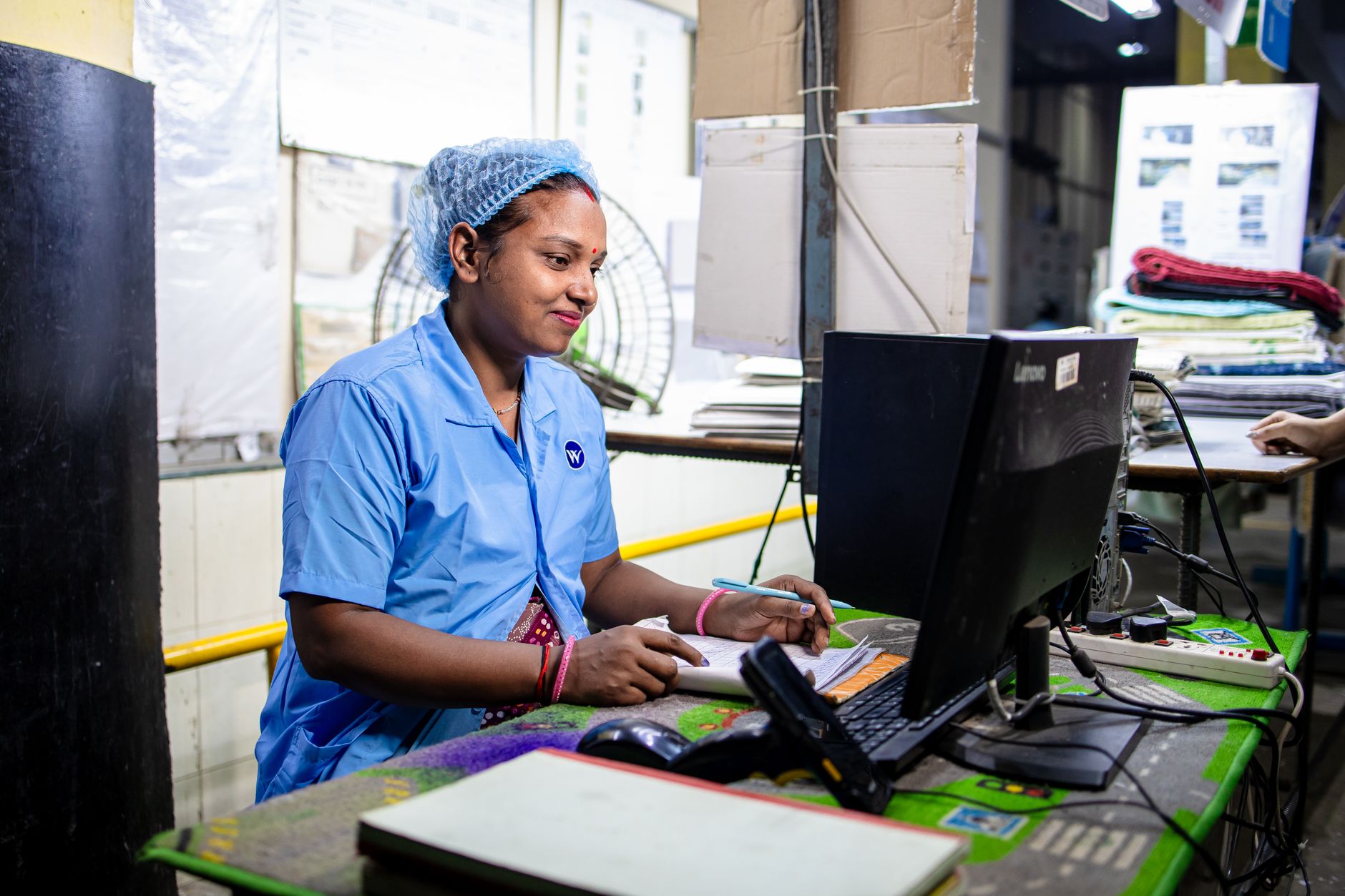
India's employment story is no longer confined to the traditional powerhouses of Bangalore, Mumbai, and Delhi. A significant shift is underway as cities like Visakhapatnam, Surat, Coimbatore, Indore, and Jaipur emerge as vibrant job markets, absorbing talent and creating opportunities across multiple sectors. This transformation represents a fundamental restructuring of India's economic geography and holds profound implications for job seekers, businesses, and policymakers alike.
The Rise of Tier-2 and Tier-3 Cities
The employment boom in non-metro cities is being fueled by several converging factors. Manufacturing hubs are expanding beyond traditional industrial centers, with cities like Surat continuing to dominate in textiles and diamonds while diversifying into new sectors. Visakhapatnam has strengthened its position as a pharmaceutical and heavy industries hub, while cities like Pune and Coimbatore are becoming automotive and engineering powerhouses.
The cost advantage these cities offer is substantial. Real estate prices remain a fraction of metro rates, operational expenses are lower, and businesses can achieve better margins while offering competitive salaries that go further in local economies. An engineer earning Rs 8 lakh annually in Indore enjoys a lifestyle comparable to someone making Rs 12-15 lakh in Bangalore, thanks to lower housing costs, shorter commutes, and reduced daily expenses.
Sectors Driving Employment Growth
Information technology and IT-enabled services have led the charge into non-metro cities. Companies are establishing development centers and back-office operations in cities with good educational infrastructure and reliable connectivity. Coimbatore, Visakhapatnam, and Jaipur have all attracted significant IT investments, creating thousands of jobs for software developers, data analysts, and customer service professionals.
Manufacturing continues to be a major employer, particularly as the government's Production Linked Incentive schemes encourage domestic manufacturing. Electronics, automotive components, textiles, and food processing units are expanding rapidly in tier-2 cities, creating jobs not just on factory floors but across the supply chain.
The logistics and warehousing sector has experienced explosive growth. E-commerce expansion has necessitated distribution centers in strategic locations, and cities with good highway and rail connectivity are becoming fulfillment hubs. This creates jobs in warehouse management, logistics coordination, delivery operations, and allied services.
Healthcare and education sectors are also expanding beyond metros. Corporate hospital chains are establishing multi-specialty facilities in tier-2 cities, while educational institutions are setting up new campuses, creating demand for doctors, nurses, teachers, administrators, and support staff.
Infrastructure and Government Support
Improved infrastructure has been critical to this transformation. Better airports, expanded highway networks, and reliable power supply have made non-metro cities viable alternatives to traditional hubs. The rollout of 4G and 5G connectivity has eliminated the digital divide that once hampered these locations.
Government initiatives have played a catalytic role. Smart Cities Mission, AMRUT, and various state-level industrial policies offer incentives for businesses to establish operations in smaller cities. Industrial corridors like the Delhi-Mumbai Industrial Corridor and Chennai-Bangalore Industrial Corridor pass through multiple tier-2 cities, spurring development along their routes.
Opportunities for Job Seekers
This shift creates diverse opportunities for professionals at all levels. Young graduates can find entry-level positions closer to home, avoiding the upheaval and expense of relocating to metros. Mid-career professionals from metros are increasingly open to relocating to tier-2 cities for better quality of life while maintaining career progression.
Entrepreneurship is flourishing in these cities. Lower startup costs, availability of talent, and growing local markets make non-metro cities attractive for founders. The startup ecosystem is developing, with incubators, angel investors, and accelerators gradually establishing presence beyond traditional hubs.
Challenges and Considerations
Despite the momentum, challenges persist. Some specialized roles still face talent shortages, particularly in cutting-edge technology and niche domains. Professional networking opportunities and exposure to global best practices may be more limited compared to metros. Career growth in certain industries might eventually require relocation to larger cities.
Cultural and lifestyle adjustments can be significant for those accustomed to metro amenities. Entertainment options, international cuisine, and certain premium services may be less accessible. However, these gaps are narrowing as these cities develop and attract more diverse populations.
The Road Ahead
The trend toward employment growth in non-metro cities appears sustainable and likely to accelerate. As remote and hybrid work models become normalized, geographical constraints matter less for many roles. Companies benefit from geographic diversification of their workforce, reduced attrition, and lower costs, while employees enjoy better work-life balance and proximity to family support systems.
For India's overall development, this decentralization of employment is crucial. It reduces pressure on overcrowded metros, distributes economic prosperity more evenly, and helps stem migration from smaller towns and rural areas. As infrastructure continues improving and businesses recognize the advantages of tier-2 locations, these cities are poised to drive India's next phase of employment growth and economic development.