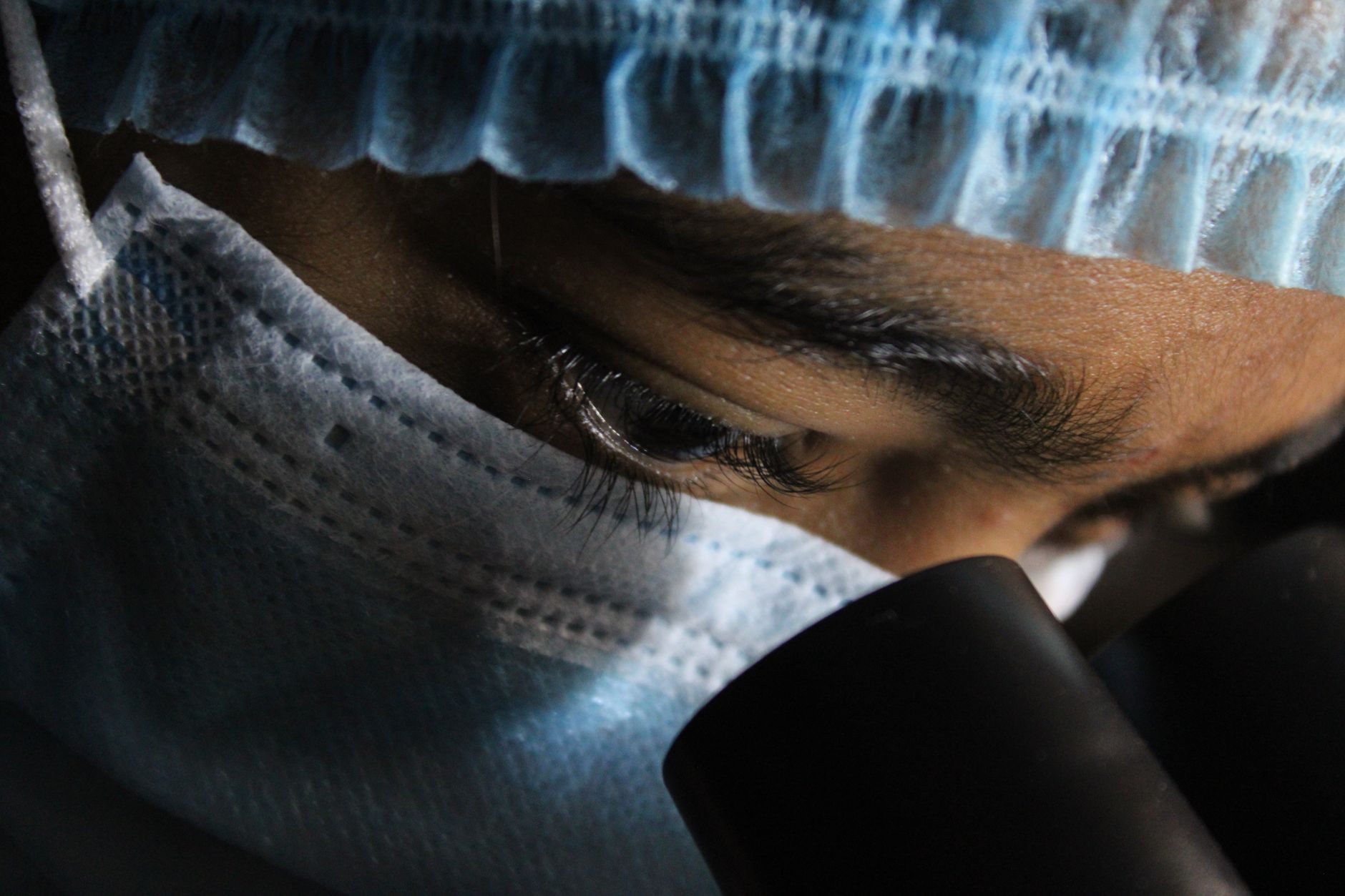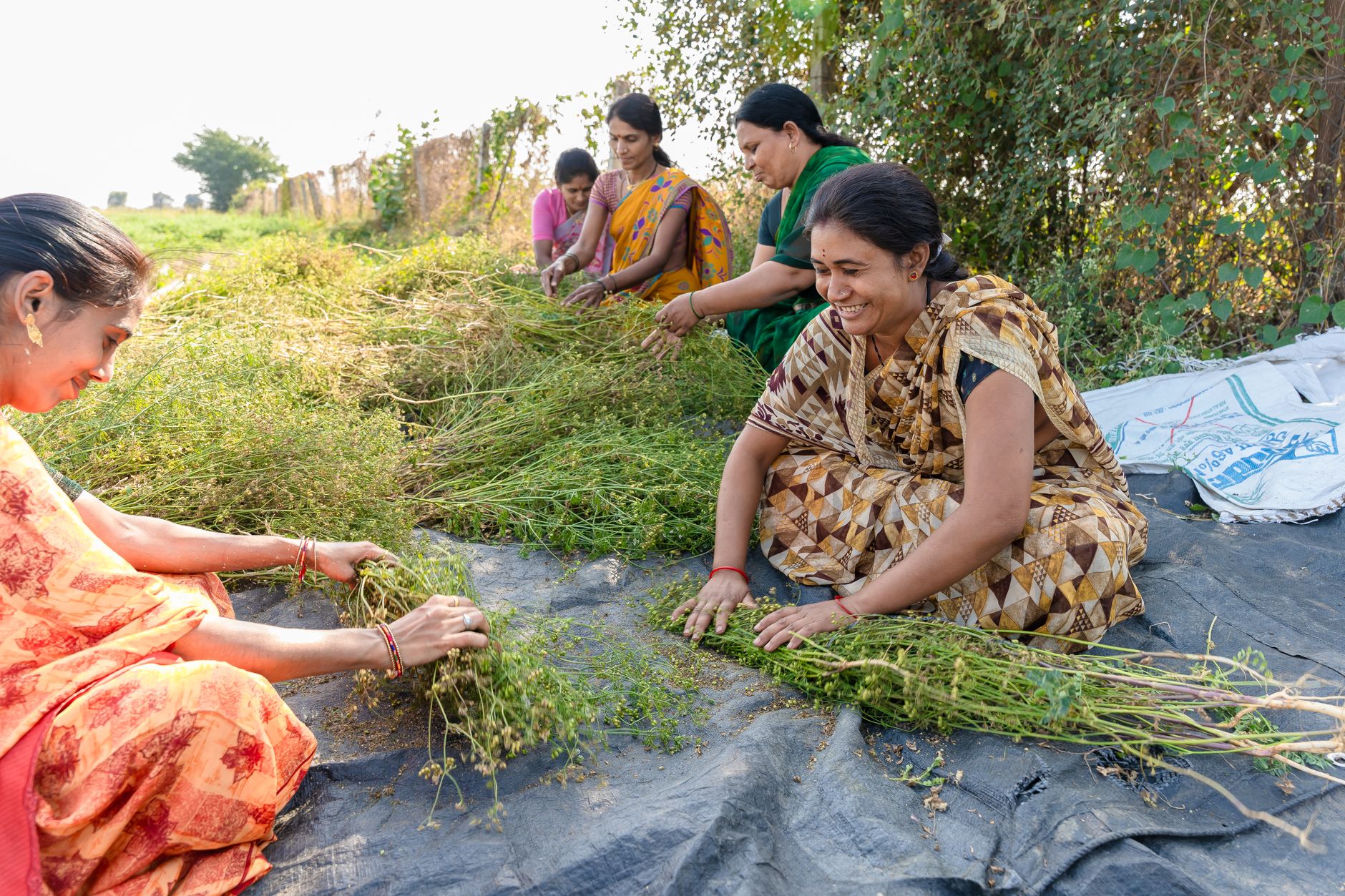
In one of South Sudan's most conflict-affected regions, Indian peacekeepers are making an unexpected but profound impact beyond traditional security duties. Veterinary teams from India, deployed as part of the United Nations Mission in South Sudan (UNMISS), are addressing a critical need in Jonglei State by providing professional livestock healthcare services to communities whose very existence depends on their animals.
Why Livestock Health Matters in Conflict Zones
For pastoral communities in South Sudan, livestock represents far more than a source of food. Cattle, goats, and sheep serve as currency, wealth storage, social capital, and cultural identity. In regions like Jonglei, where formal banking systems barely exist and employment opportunities are scarce, healthy animals mean the difference between survival and destitution.
When conflict disrupts communities, veterinary services often disappear completely. Animals fall sick, productivity drops, and entire herds can be wiped out by preventable diseases. This creates a devastating cycle where communities lose their primary economic asset, making recovery from conflict even more difficult.
The Indian Contribution to Peacekeeping
India has been one of the largest contributors to United Nations peacekeeping operations globally for decades. What distinguishes Indian peacekeeping contingents is their multidimensional approach that goes beyond military presence. Indian missions typically include medical units, engineering corps, and specialized teams that address community needs.
The veterinary initiative in Jonglei exemplifies this comprehensive approach. Indian peacekeepers recognized that sustainable peace requires more than preventing violence. It requires rebuilding the economic foundations that give communities a stake in stability.
Services Transforming Rural Livelihoods
The veterinary teams provide a range of critical services to remote communities:
- Vaccination campaigns protecting herds against common but deadly diseases
- Treatment for sick and injured animals that would otherwise be lost
- Training for local community members in basic animal health practices
- Nutritional guidance to improve livestock productivity
- Parasite control programs that enhance animal welfare
These interventions have immediate and measurable impacts. Healthier animals produce more milk, improving child nutrition. Reduced livestock mortality means families can maintain their wealth and trading capacity. Improved herd health reduces conflicts over resources as communities need not compete as desperately for grazing land.
Building Local Capacity and Trust
Beyond direct veterinary care, the Indian peacekeepers focus on knowledge transfer. They conduct workshops teaching community members to recognize common diseases early, administer basic treatments, and implement preventive measures. This capacity building ensures benefits continue even after peacekeepers eventually depart.
The work also serves an important diplomatic function. By addressing practical needs that directly affect daily life, peacekeepers build trust between communities and external actors. In conflict-affected areas where suspicion of outsiders runs deep, demonstrating concrete value through veterinary care opens doors for other peacebuilding initiatives.
Challenges in Delivering Services
Operating in Jonglei State presents significant obstacles. The region experiences periodic violence, has minimal infrastructure, and faces extreme weather conditions. Roads are often impassable during rainy seasons, requiring teams to reach remote communities on foot or by helicopter.
Supply chain challenges also complicate efforts. Vaccines and medications require cold storage in a region with unreliable electricity. Equipment must be durable enough to withstand harsh conditions yet sophisticated enough to provide quality care. Indian peacekeepers have developed innovative solutions, including solar-powered refrigeration units and mobile treatment stations.
The Broader Impact on Community Stability
Livestock health interventions contribute to stability in ways that extend beyond economics. In pastoral societies, cattle raids have been a traditional source of conflict. When communities have healthy, productive herds, the motivation for raiding diminishes. Reduced livestock mortality means communities are less desperate, reducing tensions over resources.
Furthermore, when peacekeepers help communities in practical ways, they gain credibility as honest brokers in disputes. Veterinary teams often become trusted intermediaries who can facilitate dialogue between groups that might otherwise refuse to communicate.
A Model for Comprehensive Peacekeeping
The Indian veterinary mission in Jonglei demonstrates how peacekeeping can evolve beyond its traditional military focus. By addressing the economic and social foundations of conflict, such initiatives create conditions where peace can take root organically rather than being imposed purely through security measures.
As climate change, resource scarcity, and economic disruption increasingly drive conflicts globally, this holistic approach to peacekeeping offers valuable lessons. Sustainable peace requires meeting basic human needs, protecting livelihoods, and rebuilding community resilience alongside traditional security operations.
This article is for general informational purposes only and does not constitute professional veterinary, medical, or policy advice. Situations in conflict zones are complex and dynamic, requiring assessment by qualified professionals and appropriate international organizations.