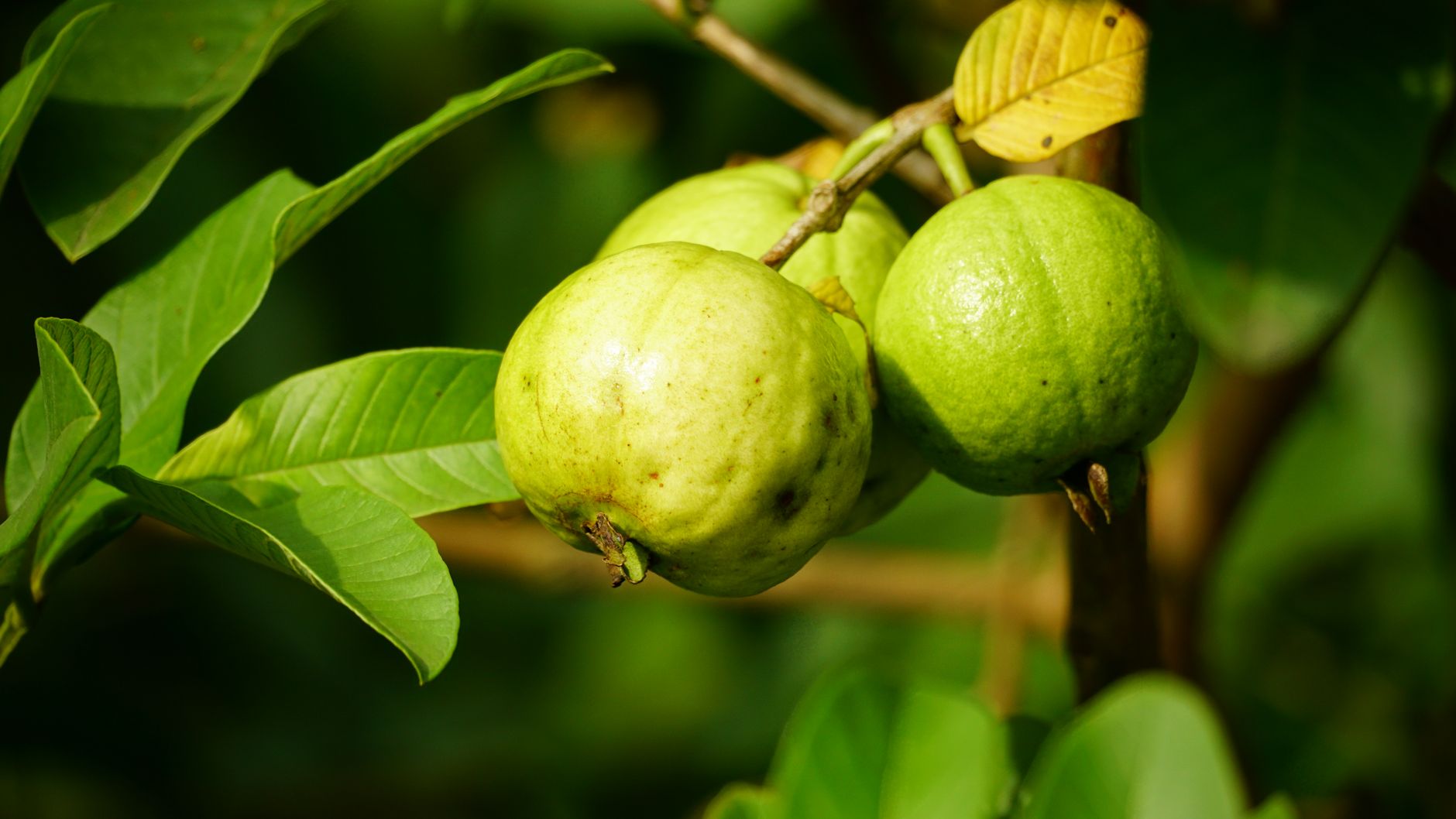
The South American nation of Guyana has turned to India for technical assistance and knowledge transfer across three critical sectors: energy, healthcare, and agriculture. This development marks a significant milestone in Indo-Guyanese relations and reflects India's growing influence as a development partner in the Caribbean region.
Why Guyana Is Looking to India
Guyana, a former British colony with strong historical ties to India through its Indo-Guyanese population, is experiencing rapid economic transformation. The discovery of significant offshore oil reserves has positioned the country for unprecedented growth, but this windfall has also exposed gaps in technical capacity and infrastructure.
India's proven track record in managing complex development challenges, coupled with cost-effective solutions and appropriate technology transfer, makes it an attractive partner. Unlike traditional Western partnerships, Indian cooperation often emphasizes skill development and sustainable capacity building rather than simple technology imports.
Energy Sector Collaboration
Guyana's energy landscape is evolving rapidly with its newfound petroleum wealth. However, the country faces the dual challenge of managing hydrocarbon resources responsibly while transitioning toward renewable energy sources. India's experience in this domain is particularly relevant.
India has successfully built one of the world's largest renewable energy programs, with ambitious solar and wind power targets. Indian expertise in grid management, petroleum refining, and renewable energy integration could help Guyana avoid the "resource curse" that has plagued other oil-rich nations.
- Technical training for Guyanese engineers in refinery operations
- Solar power deployment in remote areas
- Hydroelectric project management
- Energy efficiency and conservation programs
Healthcare Infrastructure Development
The healthcare sector represents another crucial area for cooperation. Guyana's healthcare system, while functional, requires modernization and expansion to serve its growing population and economy. India's pharmaceutical industry and affordable healthcare model offer valuable lessons.
India has emerged as the "pharmacy of the world," producing high-quality generic medications at competitive prices. This expertise could help Guyana establish or strengthen its own pharmaceutical manufacturing capabilities, reducing dependence on expensive imports.
Additionally, Indian healthcare institutions are renowned for providing quality medical care at a fraction of Western costs. Telemedicine solutions developed in India could help Guyana reach remote communities in its interior regions. Medical training partnerships could also address the shortage of healthcare professionals.
Agricultural Modernization
Agriculture remains vital to Guyana's economy despite the oil boom. The country's rice, sugar, and tropical fruit sectors have significant export potential, but productivity improvements are needed. India's Green Revolution experience and agricultural research capabilities are directly applicable.
Indian agricultural universities and research institutions have developed crop varieties, farming techniques, and post-harvest technologies suitable for tropical conditions. These innovations could dramatically improve yields and reduce losses in Guyana's agricultural sector.
Key areas for cooperation include:
- High-yield crop variety development
- Modern irrigation techniques and water management
- Agricultural mechanization appropriate for small farmers
- Food processing and value addition
- Organic farming and sustainable practices
The Broader Strategic Context
This collaboration reflects India's broader foreign policy priorities in the Caribbean and Latin America. As India seeks to expand its global footprint, partnerships with countries like Guyana serve multiple purposes: economic opportunity, diplomatic influence, and diaspora engagement.
The Indo-Guyanese community, comprising roughly 40 percent of Guyana's population, provides a natural bridge for deeper bilateral ties. Cultural affinity and historical connections facilitate smoother knowledge transfer and collaboration.
Implementation Challenges
While the potential for cooperation is substantial, several challenges must be addressed. Distance and logistics can complicate training programs and equipment delivery. Ensuring that transferred technology is appropriate for Guyana's specific conditions requires careful planning.
Financial arrangements and capacity absorption also require attention. Even with India's cost-effective solutions, Guyana must ensure it can maintain and scale up initially established infrastructure and programs.
Looking Ahead
The success of Indo-Guyanese cooperation in these three sectors could serve as a model for India's engagement with other Caribbean and Latin American nations. If implemented effectively, this partnership can demonstrate how South-South cooperation delivers tangible developmental benefits.
For Guyana, Indian expertise offers a pathway to transform natural resource wealth into broad-based prosperity. For India, it represents an opportunity to showcase its development model and strengthen ties in a strategically important region.
This article is for general informational purposes only. Readers interested in bilateral trade, investment opportunities, or specific collaboration programs should consult official government sources and relevant authorities for current details and requirements.