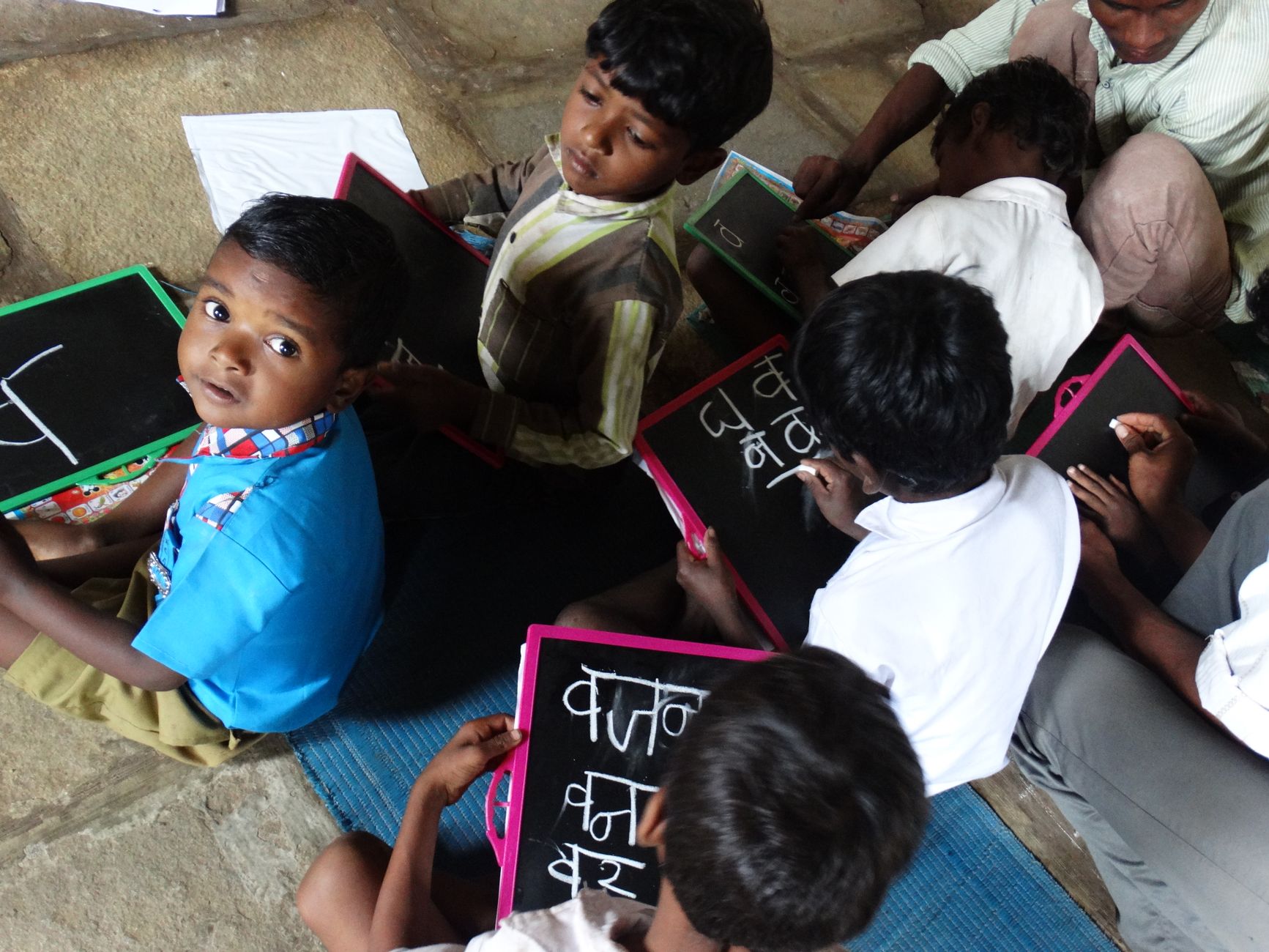
The Growing Role of Corporate India in Rural Education
Corporate Social Responsibility has evolved from a compliance checkbox to a powerful tool for social transformation in India. With the Companies Act 2013 mandating that eligible companies spend at least 2% of their average net profits on CSR activities, rural education has emerged as a priority sector receiving significant corporate attention and investment.
Rural schools across India face multiple challenges including inadequate infrastructure, shortage of trained teachers, lack of digital resources, and high dropout rates. While government initiatives have expanded access to education, quality remains inconsistent. This is where strategic partnerships between corporations and grassroots organizations are making measurable differences in educational outcomes.
Understanding the CSR-NGO Partnership Model
The collaboration between companies and non-profit foundations represents an effective approach to addressing educational disparities. Corporations bring financial resources, management expertise, and accountability frameworks, while local NGOs contribute ground-level understanding, community relationships, and implementation capabilities.
This partnership model typically involves several key components:
- Needs assessment conducted jointly by corporate teams and foundation workers to identify specific gaps
- Infrastructure development including classroom construction, sanitation facilities, and learning resource centers
- Teacher training programs to improve pedagogical skills and introduce modern teaching methods
- Digital literacy initiatives providing computers, tablets, and internet connectivity
- Student support services including scholarships, nutrition programs, and career guidance
- Monitoring and evaluation systems to track progress and measure impact
Impact on Rural School Communities
When implemented effectively, corporate-funded educational programs create ripple effects beyond immediate beneficiaries. Improved school infrastructure attracts more students and reduces dropout rates. Access to technology bridges the urban-rural digital divide, exposing students to broader learning opportunities. Teacher training enhances the overall quality of instruction benefiting entire student populations.
Communities also experience increased engagement as parents witness tangible improvements in their children's schools. This renewed confidence in local educational institutions often leads to higher enrollment rates, particularly among girls who face additional barriers to education in rural areas.
Key Focus Areas for Educational CSR
Successful educational CSR initiatives typically concentrate on specific intervention areas that address systemic gaps:
- STEM education programs introducing science, technology, engineering, and mathematics concepts through hands-on learning
- Language and communication skills development crucial for future employment opportunities
- Vocational training aligned with local economic opportunities
- Digital infrastructure including computer labs and internet connectivity
- Library development with age-appropriate books in local languages
- Sports and extracurricular facilities promoting holistic development
- Health and hygiene education addressing preventable illnesses affecting attendance
Challenges in Implementation
Despite good intentions, CSR-funded educational programs face several implementation challenges. Geographic remoteness makes regular monitoring difficult. Local administrative hurdles can delay infrastructure projects. Ensuring program sustainability beyond initial funding periods requires careful planning and community ownership.
Cultural sensitivity is crucial when introducing new methods or technologies. Programs must align with local contexts while maintaining quality standards. Coordination with government education departments is essential to avoid duplication and ensure complementarity with existing schemes.
Measuring Success and Accountability
Effective CSR programs incorporate robust monitoring and evaluation frameworks. Key performance indicators might include enrollment rates, attendance percentages, learning outcome improvements measured through standardized assessments, and infrastructure utilization rates.
Transparency in fund utilization and regular progress reporting build stakeholder confidence. Many companies publish detailed CSR reports documenting expenditures, activities, and outcomes. This accountability encourages continuous improvement and helps identify best practices for replication.
The Path Forward
As India pursues its development goals, the role of corporate India in strengthening rural education will likely expand. Companies are increasingly viewing CSR not as an obligation but as an opportunity to contribute to nation-building while enhancing their social license to operate.
The success of these initiatives depends on sustained commitment, community participation, and alignment with government priorities. When corporations, NGOs, and government agencies work collaboratively, educational CSR programs can transform rural schools into vibrant learning centers preparing students for opportunities in an increasingly competitive world.
The ultimate measure of success is whether these interventions create lasting change that continues benefiting communities long after corporate support transitions to local ownership and sustainability.