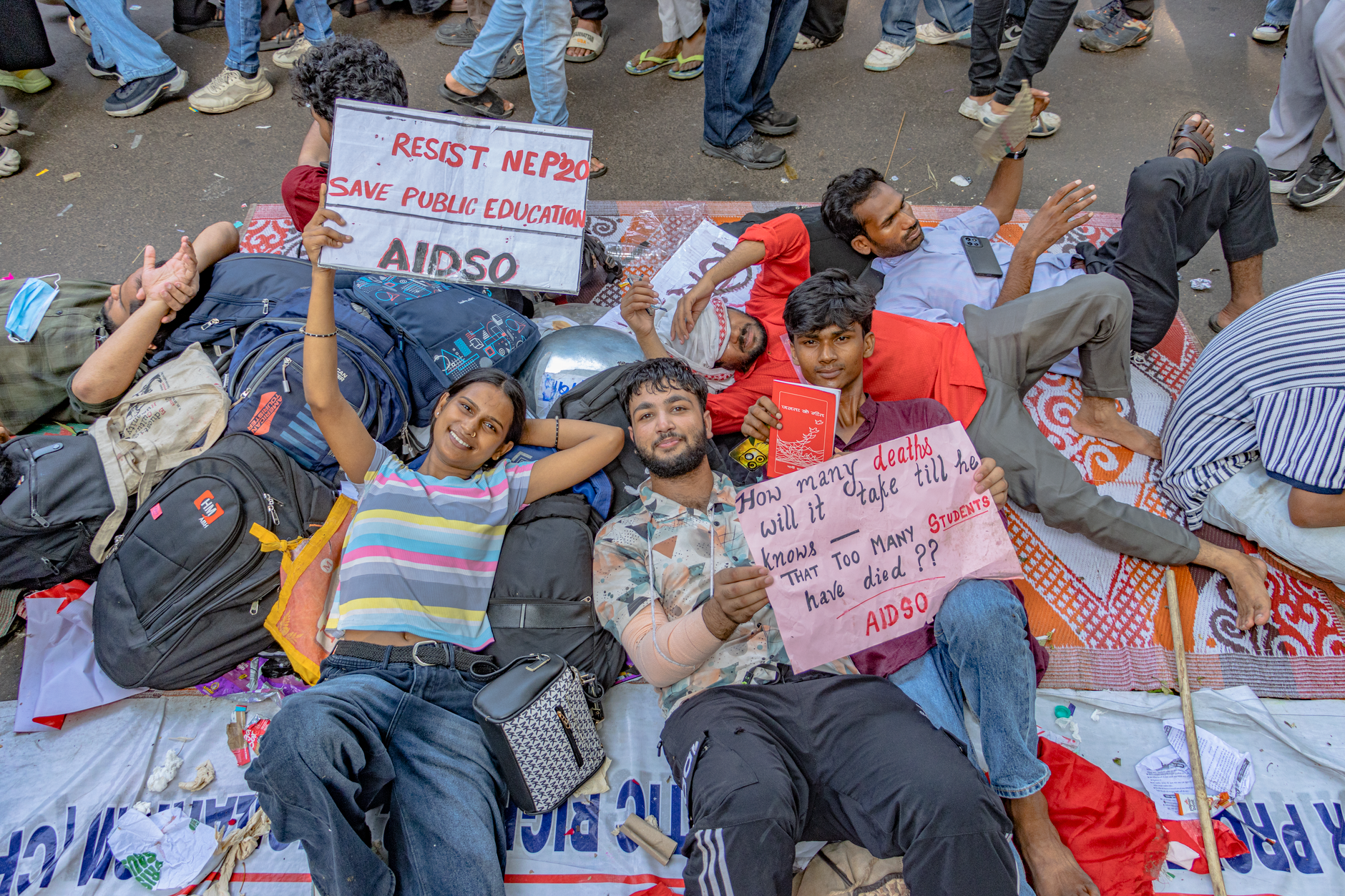
India's Generation Z has emerged as a formidable force in shaping the country's socio-political landscape, particularly when it comes to education-related issues. Recent student-led movements have showcased a distinctive blend of data-driven arguments and emotional resilience that sets them apart from previous generations of activists.
The New Face of Student Activism
Unlike traditional protests that relied primarily on street marches and slogans, today's Gen Z activists approach dissent with spreadsheets, fact-checking mechanisms, and viral social media campaigns. This generation, born between 1997 and 2012, has grown up with smartphones in hand and instant access to information, making them uniquely equipped to challenge official narratives with well-researched counterpoints.
The education sector has become a particular flashpoint for this activism. Issues ranging from examination reforms and fee hikes to campus facilities and academic freedom have mobilized students across the country. What distinguishes these movements is their ability to maintain factual accuracy while building emotional momentum, a combination that has proven difficult for authorities to dismiss.
Digital Tools Meet Ground Reality
Gen Z protesters have mastered the art of hybrid mobilization. They create Instagram infographics that break down complex policy issues into digestible content, build Twitter threads that go viral within hours, and use WhatsApp groups to coordinate on-ground activities. This multi-platform approach ensures their message reaches diverse audiences, from fellow students to policymakers and international observers.
The use of data has become a hallmark of these movements. Students now arrive at negotiations armed with:
- Comparative analysis of fee structures across institutions
- Statistical evidence of administrative inefficiencies
- Documentation of policy inconsistencies
- Historical data showing long-term trends
- Budget breakdowns and financial transparency demands
This empirical approach makes it harder for institutions to deflect concerns or paint protesters as merely emotional or uninformed.
Building Resilience Through Community
What observers have termed "warm spirits" reflects the strong sense of community and mutual support that characterizes Gen Z activism. Students have developed robust peer support networks, recognizing that sustained activism requires emotional stamina. These networks provide mental health resources, legal assistance, and practical support for protesters who may face academic or financial repercussions.
The horizontal leadership structure adopted by many student movements ensures that no single person becomes the sole target of institutional pressure. Decision-making happens collectively, with different working groups handling research, communication, legal matters, and logistics.
Impact on Educational Institutions
Universities and colleges across India have been compelled to reconsider their governance models in response to this new wave of activism. Student demands for representation in administrative committees, transparent financial accounting, and consultation on academic policies have gained traction in ways that previous generations struggled to achieve.
Several institutions have established formal channels for student grievances, updated their fee policies after demonstrations, and improved infrastructure following sustained campaigns. The success rate, while not universal, has emboldened students at other institutions to organize around their own concerns.
Challenges and Criticisms
Not all responses to Gen Z activism have been positive. Critics argue that constant online engagement can lead to performative activism, where sharing a post substitutes for meaningful action. There are also concerns about digital divides, as students from economically disadvantaged backgrounds may lack the devices or internet access to participate fully in online mobilization.
Additionally, some educational administrators worry that the confrontational approach adopted in certain campaigns damages the collaborative relationship necessary for institutional improvement. Balancing accountability demands with constructive dialogue remains an ongoing challenge.
Broader Implications for Democracy
The education-focused activism of Gen Z represents more than just campus politics. These movements serve as training grounds for civic engagement, teaching young Indians how to organize, articulate demands, and negotiate with power structures. The skills developed during student protests often translate into broader political and social activism.
The emphasis on facts and transparency also reflects Gen Z's expectations for governance in general. As this generation enters the workforce and voting booth in larger numbers, their insistence on data-driven policy-making and accountability could reshape India's democratic culture.
Looking Ahead
The sustainability of this protest culture depends on several factors, including institutional responsiveness, legal protections for student activism, and the ability of Gen Z to maintain momentum as they transition into professional lives. What remains clear is that this generation has already redefined what student activism looks like in India, setting new standards for organization, communication, and impact.
Their combination of analytical rigor and collective solidarity suggests that the future of Indian civil society will be shaped significantly by those who learned to protest with both statistics and heart.