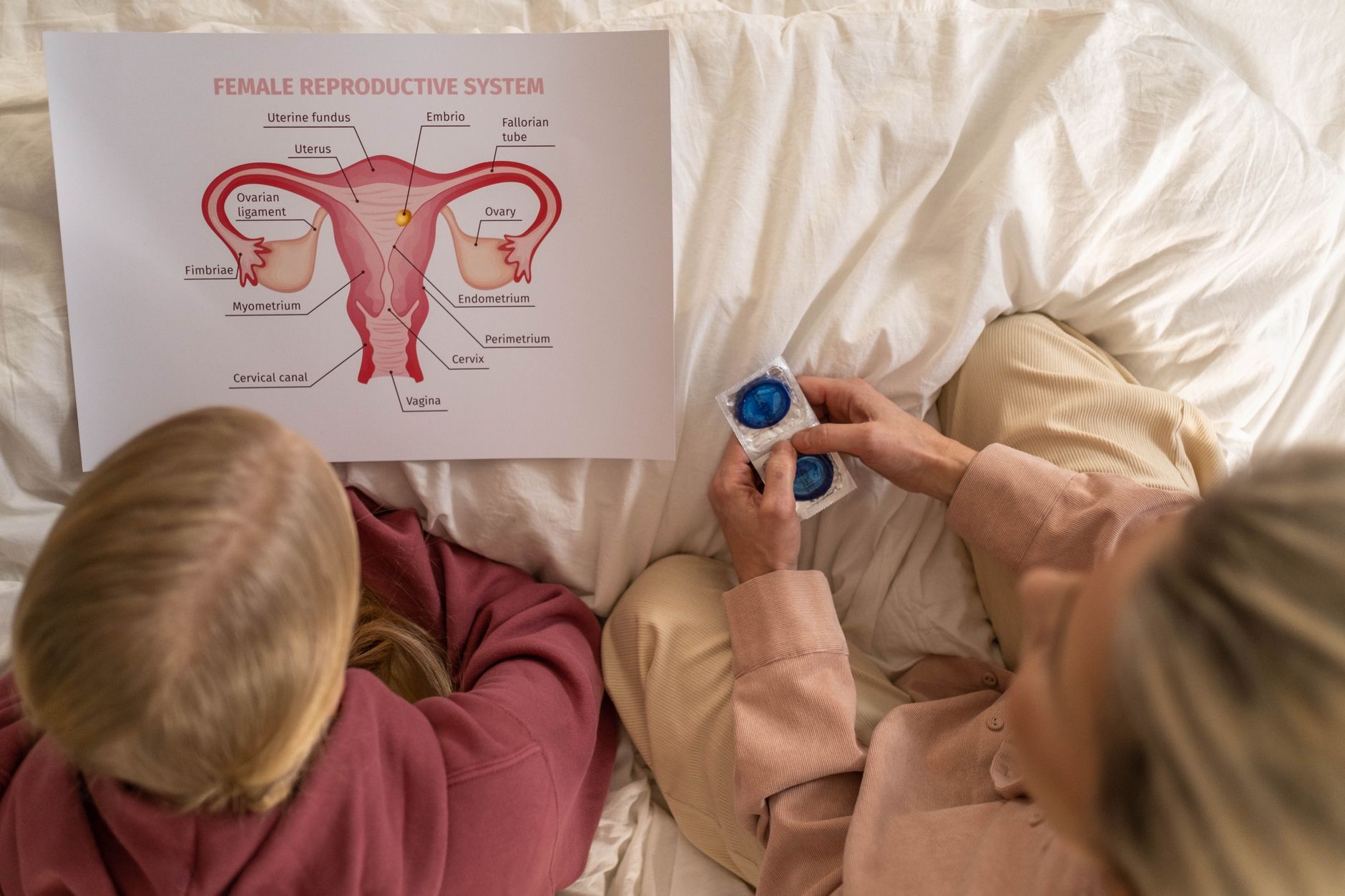
Female genital mutilation (FGM) represents one of the most severe violations of human rights affecting girls and women globally. Despite international condemnation and decades of advocacy, this harmful traditional practice persists in various communities across the world, including in parts of India.
What is Female Genital Mutilation
Female genital mutilation encompasses all procedures involving partial or total removal of external female genitalia or other injury to female genital organs for non-medical reasons. The World Health Organization classifies FGM into four types, ranging from partial removal of the clitoris to the most severe form involving narrowing of the vaginal opening.
This practice is typically performed on girls between infancy and age fifteen, though the age varies by community. Unlike male circumcision, FGM has no health benefits and causes immediate and long-term harm.
The Global Scope
More than 200 million girls and women alive today have undergone FGM in 30 countries across Africa, the Middle East, and Asia. While most prevalent in certain African nations, the practice exists in communities worldwide, including among certain groups in India, particularly within the Dawoodi Bohra community.
The practice crosses geographical, religious, and ethnic boundaries, though it is often incorrectly attributed solely to religious requirements. In reality, FGM predates major religions and is practiced by Muslims, Christians, and followers of indigenous religions alike.
Physical and Psychological Consequences
The immediate health risks of FGM include severe pain, excessive bleeding, infections, and in extreme cases, death. Girls undergoing the procedure face risks from unhygienic conditions, use of unsterilized instruments, and lack of anesthesia.
Long-term consequences are equally devastating:
- Chronic pain and infections
- Complications during childbirth, including increased risk of newborn deaths
- Psychological trauma, anxiety, and depression
- Sexual dysfunction and pain
- Urinary problems and cysts
- Increased vulnerability to HIV transmission
The psychological impact often lasts a lifetime, with many survivors experiencing post-traumatic stress disorder, feelings of betrayal by family members who arranged the procedure, and ongoing mental health challenges.
Why the Practice Continues
Despite its harmful effects, FGM persists due to complex social and cultural factors. Communities that practice FGM often view it as necessary for:
- Preserving virginity and ensuring marriageability
- Maintaining cultural or religious identity
- Controlling female sexuality
- Achieving social acceptance within the community
Social pressure plays a significant role. In communities where FGM is the norm, families fear that not subjecting daughters to the practice will make them social outcasts and unmarriageable. This creates a self-perpetuating cycle driven by the desire to conform and protect daughters from social exclusion.
The Legal Landscape in India
While India does not have a specific federal law banning FGM, the practice violates several existing laws including those against child abuse and assault. Several states have begun addressing the issue more directly, and activists continue pushing for comprehensive national legislation explicitly prohibiting FGM.
The Supreme Court of India has been petitioned multiple times to declare FGM unconstitutional and a violation of fundamental rights. Legal debates continue about balancing religious freedom with protection from harmful practices.
Global Efforts to End FGM
International organizations, governments, and grassroots activists work tirelessly to eliminate FGM through multiple approaches:
- Education campaigns targeting communities that practice FGM
- Legal frameworks and enforcement
- Support services for survivors
- Engagement with religious and community leaders
- Economic empowerment programs for women
- Alternative rites of passage that preserve cultural identity without harm
Progress is being made. Many countries have enacted laws banning FGM, and prevalence rates have declined in several regions. However, population growth means absolute numbers remain high, requiring sustained effort.
Moving Forward
Ending FGM requires comprehensive approaches that respect cultural contexts while firmly rejecting harmful practices. Success stories show that change is possible when communities themselves lead the transformation, supported by legal frameworks, education, and economic opportunities.
Supporting survivors, educating communities about the harms of FGM, and empowering women and girls to make decisions about their own bodies remain essential strategies. As awareness grows and more voices join the movement, there is hope that future generations will be free from this harmful practice.
This article is for general informational purposes only and does not constitute medical or legal advice. Anyone affected by FGM should seek appropriate medical care and support services available in their region.