India has achieved a significant milestone in public health with international recognition of its Tele-MANAS (Tele Mental Health Assistance and Networking Across States) initiative. This groundbreaking programme represents a major step forward in making mental health support accessible to over 1.4 billion Indians, many of whom previously had limited or no access to professional psychological services.
What is Tele-MANAS
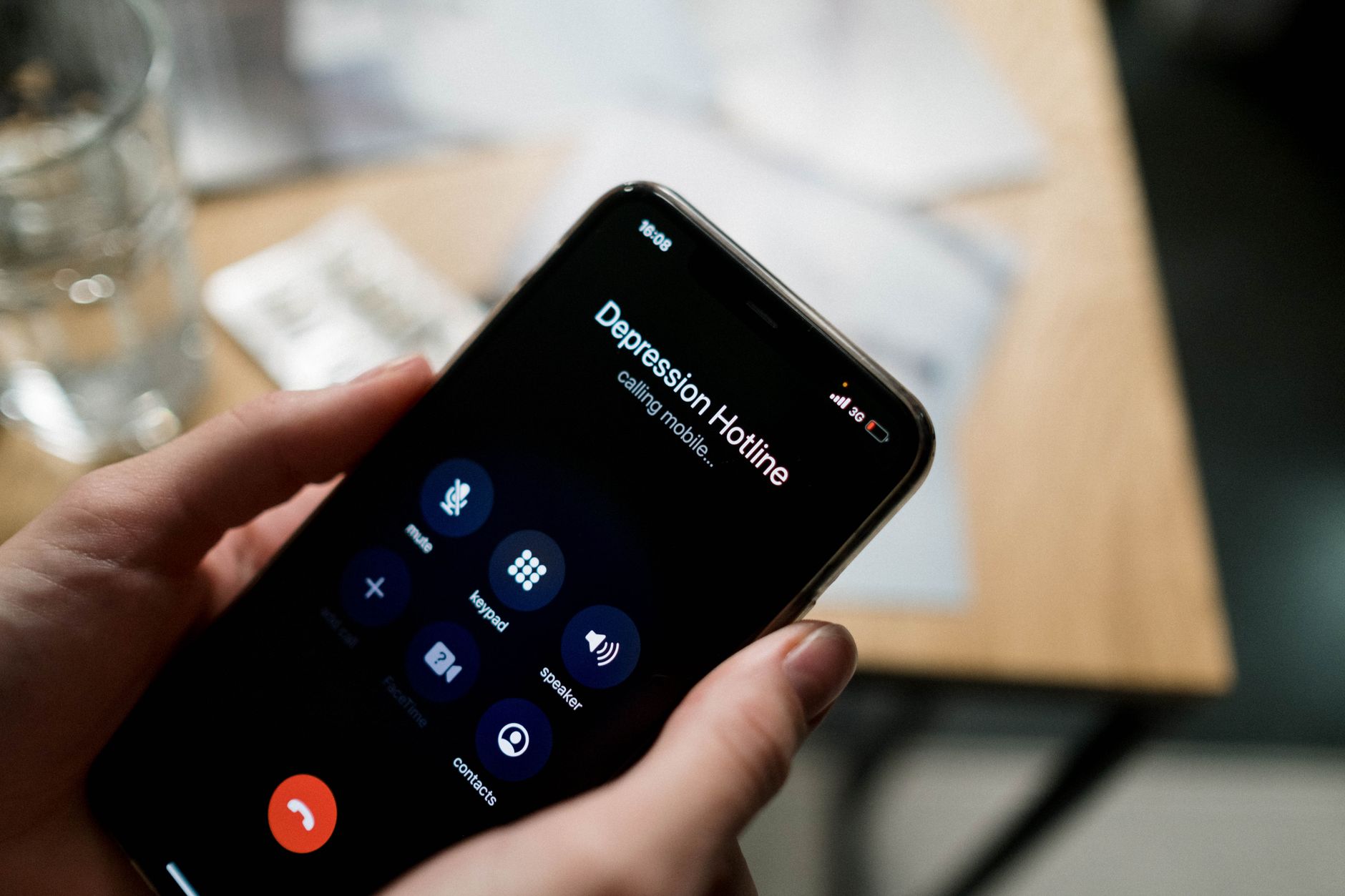
Tele-MANAS is a toll-free helpline service launched by the Government of India in October 2022 as part of the National Tele Mental Health Programme. The service operates on a two-tier system, providing immediate psychological support through trained counsellors and facilitating referrals to mental health professionals when necessary.
Citizens can access the service by dialling a simple toll-free number (14416 or 1800-891-4416), which connects them to counsellors in their state. The service is available in multiple regional languages, ensuring that language barriers do not prevent people from seeking help.
How the System Works
The programme operates through a structured framework designed to provide comprehensive support:
- Tier 1 consists of trained counsellors who handle initial calls, provide immediate support, and conduct psychological first aid
- Tier 2 involves mental health specialists, including clinical psychologists and psychiatrists, who handle complex cases referred from Tier 1
- Each state has established its own Tele-MANAS cell, ensuring localised and culturally sensitive support
- The service maintains strict confidentiality to encourage people to seek help without fear of stigma
Addressing India's Mental Health Crisis
India has long faced a significant mental health treatment gap, with studies suggesting that nearly 150 million Indians require mental health interventions, but fewer than 30 million seek help. Several factors contribute to this gap, including shortage of mental health professionals, stigma surrounding mental illness, and limited awareness about available services.
Tele-MANAS addresses these challenges by removing geographical barriers and providing anonymous support. People in remote areas, where psychiatrists and psychologists are scarce, can now access quality mental health counselling from their homes. The anonymity of telephone counselling also helps reduce the stigma that prevents many Indians from seeking in-person treatment.
Scale and Impact
The recognition by a British medical journal underscores the unprecedented scale of this initiative. Unlike smaller helplines run by non-governmental organisations, Tele-MANAS is a comprehensive, government-backed programme with nationwide reach and standardised protocols.
The initiative has established cells across all Indian states and union territories, creating a network of thousands of counsellors and mental health professionals. This infrastructure enables the programme to handle millions of calls annually, making it genuinely the world's largest government-led mental health helpline.
Services Offered
Tele-MANAS provides support for a wide range of mental health concerns:
- Stress, anxiety, and depression management
- Counselling for emotional distress and relationship issues
- Support during personal crises and grief
- Guidance for substance abuse concerns
- Information about mental health conditions and available treatments
- Follow-up counselling for ongoing cases
Significance for India's Healthcare System
This initiative represents a paradigm shift in how India approaches mental health. Traditionally, mental health has been deprioritised in public health planning, with minimal budgetary allocation and infrastructure development. Tele-MANAS signals a recognition at the policy level that mental health is as crucial as physical health.
The programme also aligns with global trends toward digital health solutions, particularly those accelerated by the COVID-19 pandemic. By leveraging technology, India is demonstrating that resource constraints need not prevent the delivery of essential health services.
Challenges and Future Directions
While Tele-MANAS represents significant progress, challenges remain. These include ensuring consistent quality across different state cells, maintaining adequate staffing levels, creating effective referral pathways for severe cases requiring in-person intervention, and conducting ongoing awareness campaigns to inform citizens about the service.
The programme's success will ultimately be measured not just by the number of calls handled, but by improved mental health outcomes and reduced stigma around seeking psychological support.
International recognition validates India's approach and may inspire similar initiatives in other developing countries facing comparable mental health challenges and resource limitations.
This article is for general informational purposes only and is not a substitute for professional mental health advice, diagnosis, or treatment. If you are experiencing a mental health crisis, please contact Tele-MANAS or consult with a qualified mental health professional immediately.