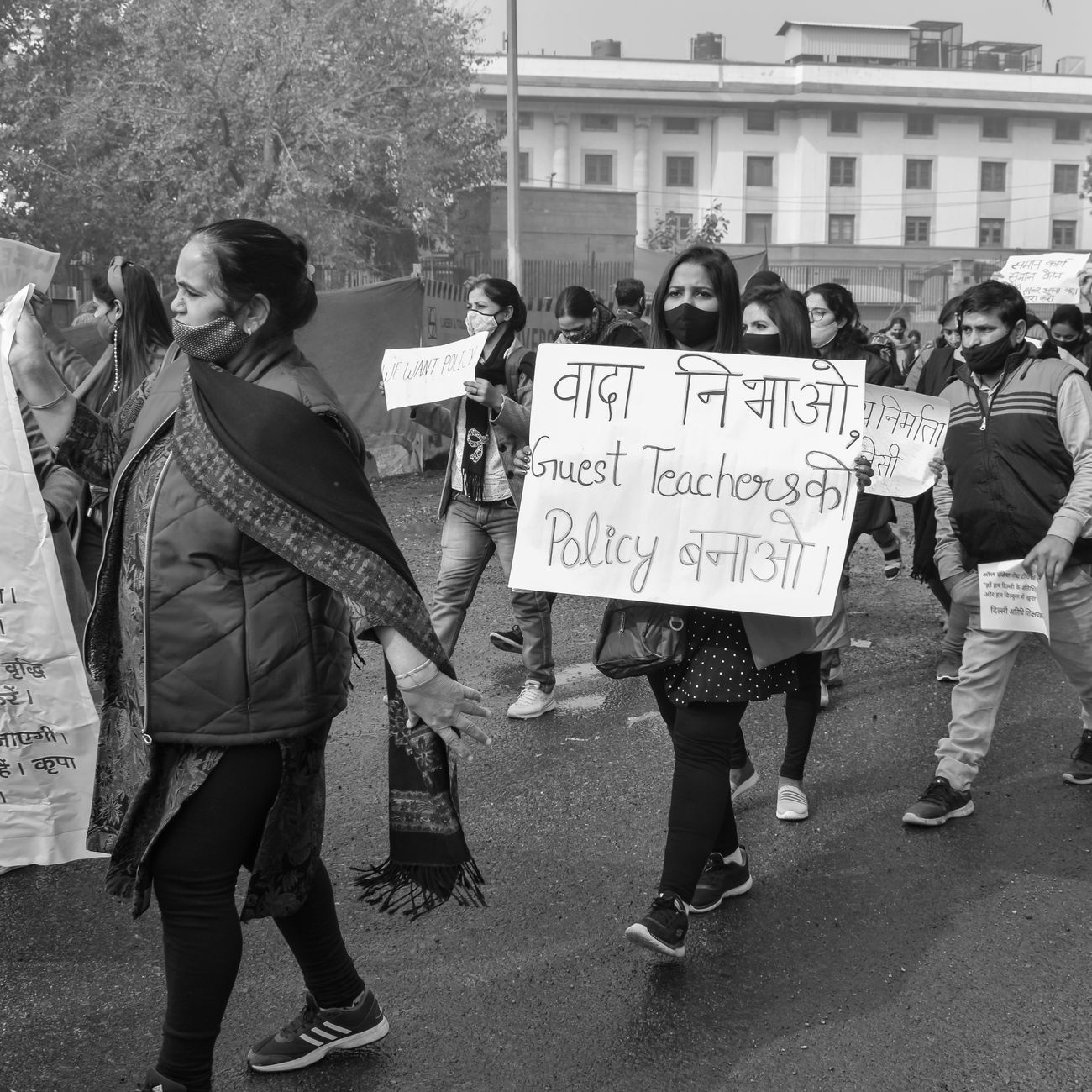
The resignation of India's education minister has brought an end to weeks of sustained protests by students and youth groups across the country, marking a rare instance of grassroots activism achieving tangible political results. The demonstrations, which gained momentum through social media and on-ground mobilization, highlighted growing discontent with the current state of educational policy and administration in India.
What Triggered the Protests
Student-led movements in India have historically played significant roles in shaping policy, and this recent wave of demonstrations appears to continue that tradition. The protests were fueled by multiple grievances within the education sector, including concerns about examination patterns, curriculum reforms, admission policies, and the broader direction of educational governance.
Young protesters utilized both traditional demonstration methods and digital platforms to organize rallies, awareness campaigns, and coordination efforts across multiple cities. University campuses became focal points for these gatherings, with students articulating demands for transparency, accountability, and student-centric policy formulation.
Key Demands of the Movement
The protesting groups raised several core issues that resonated widely among India's youth population:
- Reform of competitive examination systems perceived as overly stressful and rote-learning focused
- Greater consultation with student bodies and education experts before implementing major policy changes
- Concerns about privatization trends in higher education and affordability issues
- Demands for improved infrastructure and teacher recruitment in government schools and colleges
- Transparency in administrative decisions affecting millions of students
These demands reflected broader anxieties about employment prospects, quality of education, and the alignment of educational outcomes with India's rapidly evolving job market.
The Political Implications
The minister's resignation represents a significant political development, demonstrating the power of sustained civic engagement in India's democratic framework. For the Modi government, which has prioritized education reform as part of its development agenda, the resignation poses both challenges and opportunities.
The government will need to address the underlying concerns that sparked the protests while maintaining momentum on its broader educational initiatives. The appointment of a successor will be closely watched, with expectations that the new minister will bring fresh perspectives and perhaps a more consultative approach to policy-making.
India's Education System Challenges
India operates one of the world's largest education systems, serving hundreds of millions of students across diverse socio-economic backgrounds. The system faces persistent challenges including quality disparities between urban and rural areas, infrastructure gaps, teacher shortages, and the need to balance traditional learning with modern skill requirements.
Recent years have seen significant policy initiatives, including the National Education Policy 2020, which proposed sweeping changes to curriculum structure, assessment methods, and the overall architecture of Indian education. However, implementation challenges and stakeholder concerns have created friction points that occasionally manifest in public discontent.
Youth Activism in Modern India
This successful protest movement highlights the growing political consciousness among India's youth population. With a median age of approximately 28 years, India's young demographic represents a powerful constituency increasingly willing to mobilize around issues affecting their futures.
Social media has amplified the ability of student groups to coordinate, share information, and build solidarity across geographical boundaries. This digital-age activism combines with India's strong tradition of student movements, creating new dynamics in how young people engage with governance and policy.
What Happens Next
The immediate aftermath of the minister's resignation will likely see intense deliberations within government circles about both personnel decisions and substantive policy adjustments. Student groups and education stakeholders will be watching closely to ensure that their concerns translate into concrete reforms rather than merely symbolic gestures.
The success of this movement may also inspire similar activism on other issues affecting young Indians, from employment policies to environmental concerns. For policymakers, the episode serves as a reminder of the importance of inclusive consultation and responsive governance.
Educational institutions will need to return to normal functioning while maintaining channels for ongoing dialogue about reforms. The challenge will be converting protest energy into constructive participation in the policy development process.
The resignation marks not an ending but rather a transition point in India's ongoing conversation about education, youth aspirations, and the pathways to national development in the 21st century.