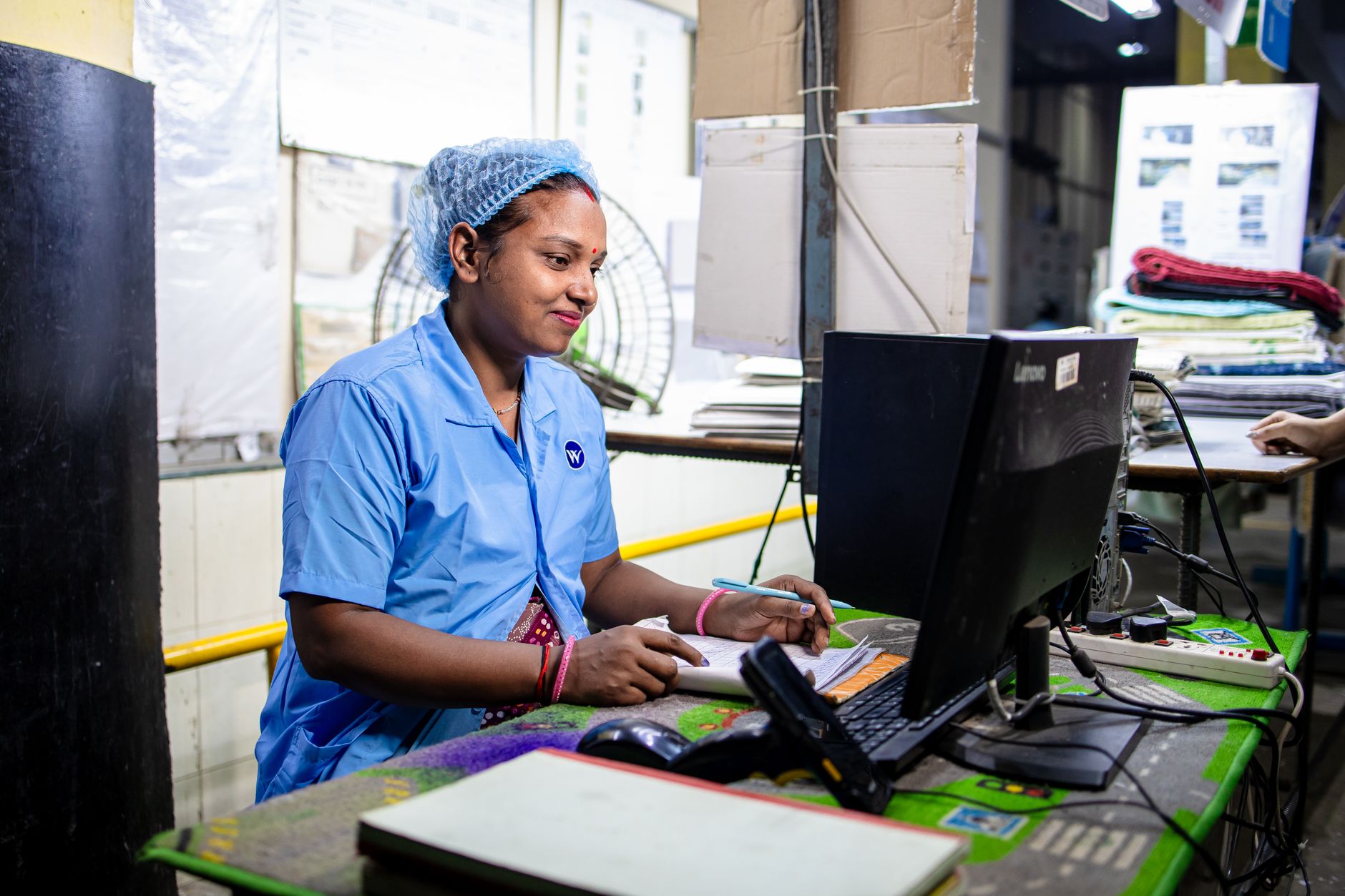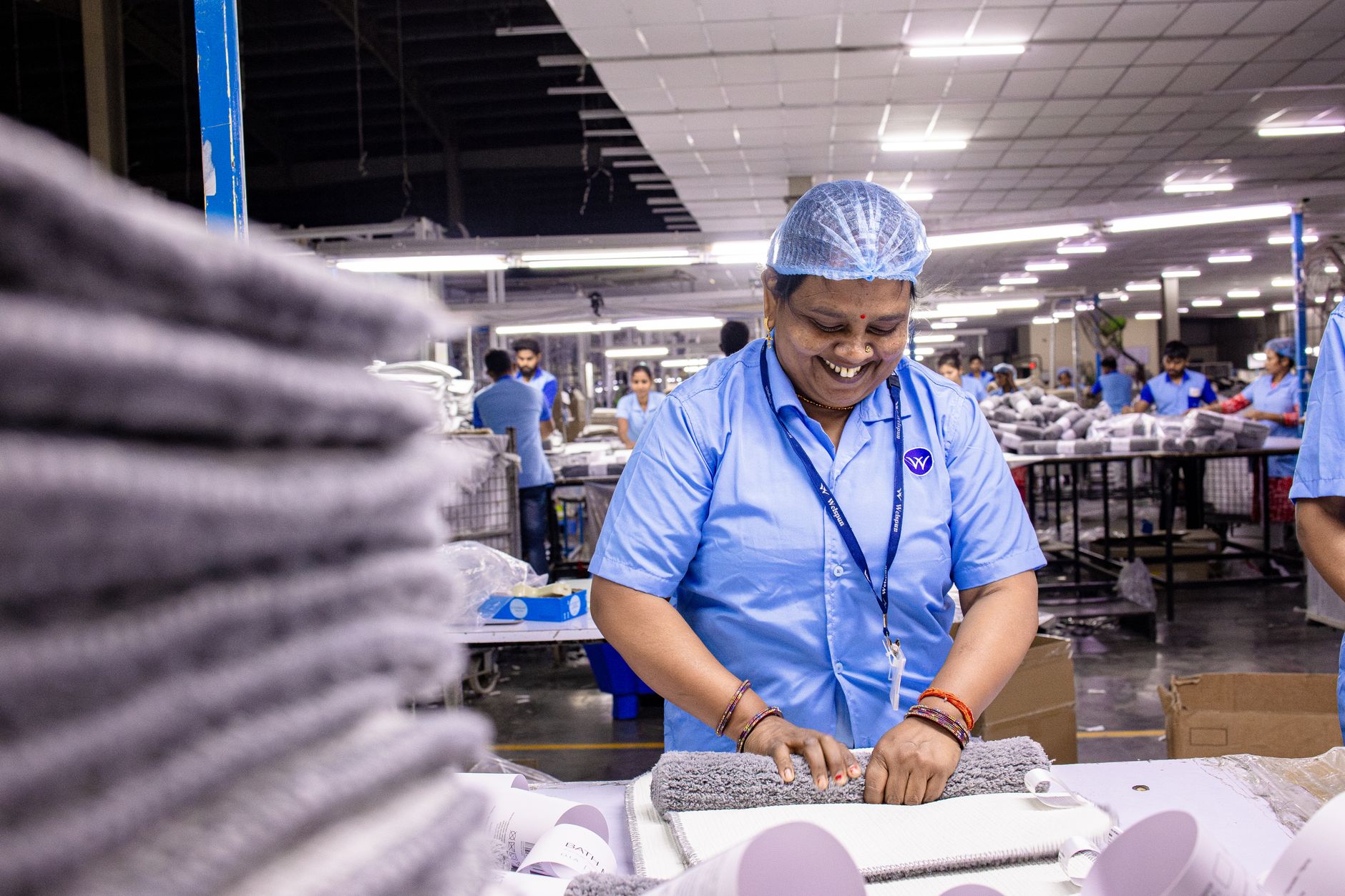
Impact sourcing is emerging as a powerful model that combines business efficiency with social responsibility. Alorica India's latest initiative demonstrates how companies can tap into talent pools often overlooked by traditional hiring processes while maintaining high performance standards. This approach is particularly significant for India, where millions of skilled workers face employment barriers due to socioeconomic circumstances rather than capability.
What is Impact Sourcing?
Impact sourcing refers to the practice of hiring and training workers from disadvantaged backgrounds or underserved communities to deliver business services. Unlike traditional corporate social responsibility programs, impact sourcing integrates these employees into core business operations, creating sustainable employment rather than charity-based interventions.
The model targets individuals who face systemic barriers to employment, including:
- People from economically disadvantaged backgrounds
- Women re-entering the workforce after career breaks
- Individuals with disabilities
- Youth from rural or semi-urban areas with limited opportunities
- Those lacking formal higher education despite having skills and aptitude
- First-generation workers from families without employment history
Why Impact Sourcing Matters for India
India's employment landscape presents both opportunities and challenges. While the country produces millions of graduates annually, a significant portion of the population remains excluded from formal employment due to factors beyond their control. Impact sourcing addresses this gap by recognizing that traditional markers like prestigious degrees or urban backgrounds don't necessarily correlate with job performance, especially in sectors like customer service, business process outsourcing, and digital operations.
For under-represented communities, these jobs provide more than income. They offer skills development, professional experience, and pathways to career advancement that would otherwise remain inaccessible. This creates a multiplier effect, as employed individuals typically support multiple family members and inspire others in their communities.
The Business Case for Inclusive Hiring
Contrary to outdated assumptions, hiring from diverse talent pools doesn't mean compromising on quality. Companies implementing impact sourcing often report several business benefits:
Employee retention rates frequently exceed industry averages because workers from disadvantaged backgrounds tend to demonstrate higher loyalty and commitment. Many view these opportunities as life-changing and approach their roles with exceptional dedication.
Fresh perspectives from diverse teams lead to better problem-solving and innovation. Employees from varied backgrounds bring different life experiences that can improve customer understanding and service delivery.
Companies also benefit from reduced recruitment costs. By expanding their candidate pool beyond traditional sources, organizations can access untapped talent without the premium costs associated with hiring from elite institutions.
Training and Support Systems
Successful impact sourcing programs require robust training frameworks. Companies must invest in comprehensive onboarding that addresses not just technical skills but also workplace culture, communication, and professional development. Many first-generation workers need support navigating formal workplace environments, understanding corporate hierarchies, and building confidence in professional settings.
Progressive organizations provide:
- Extended training periods with patient, supportive instructors
- Mentorship programs pairing new hires with experienced employees
- Soft skills development alongside technical training
- Language support for employees working in multilingual environments
- Career counselling and advancement pathways
Measuring Impact Beyond Profit
Impact sourcing initiatives track both business metrics and social impact indicators. Companies measure operational performance through standard KPIs like quality scores, productivity metrics, and customer satisfaction ratings. Simultaneously, they track social impact through employment numbers, wage increases, employee demographics, and community-level changes.
The most successful programs demonstrate that social impact and business performance are complementary rather than conflicting objectives. When employees feel valued and see genuine opportunities for growth, they naturally deliver better results.
Challenges and Considerations
Implementing impact sourcing isn't without challenges. Companies must address potential biases in management, ensure adequate support systems, and create truly inclusive workplace cultures. There's also the risk of tokenism if initiatives aren't genuinely integrated into business strategy.
Transportation, childcare, and technology access can present barriers for disadvantaged workers. Forward-thinking companies address these through shuttle services, flexible scheduling, or subsidized support programs.
The Broader Movement
Alorica India's initiative reflects a growing trend among Indian businesses recognizing that inclusive hiring practices serve both social and business objectives. As more companies adopt impact sourcing, they're collectively creating a more equitable employment landscape while accessing valuable talent that traditional hiring methods miss.
This approach aligns with global movements toward stakeholder capitalism, where businesses consider their impact on all stakeholders, not just shareholders. For India's development trajectory, such initiatives could prove transformative in reducing inequality while strengthening economic growth.