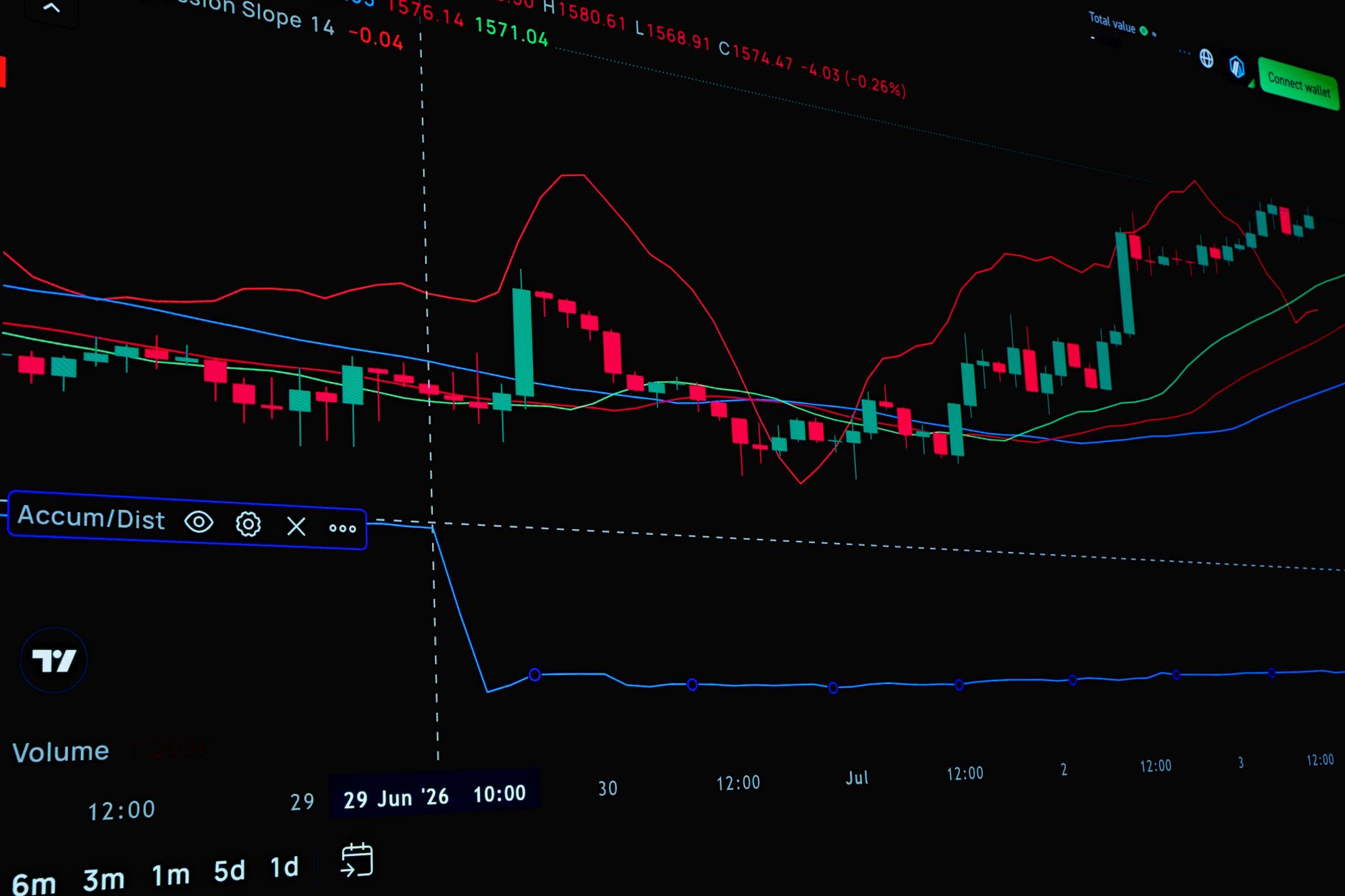
Yes Bank's journey from a banking crisis to a recovery story stands as one of the most dramatic turnarounds in India's financial sector. The private sector lender, which faced near-collapse in early 2020, has managed to rebuild investor confidence and restore operational stability through a combination of regulatory intervention, capital restructuring, and management overhaul.
The Crisis That Shook Investors
Yes Bank's troubles began accumulating in 2018-2019 when the Reserve Bank of India raised concerns about the bank's asset quality and governance practices. The bank had been aggressively lending to stressed corporate borrowers, resulting in a massive pile-up of bad loans. As non-performing assets surged, depositors began withdrawing funds, triggering a liquidity crisis.
In March 2020, the RBI placed Yes Bank under a moratorium, restricting withdrawals to Rs 50,000 per account. The central bank superseded the board and appointed former State Bank of India CFO Prashant Kumar as the new managing director and CEO. This dramatic intervention sent shockwaves through India's banking sector and raised questions about the stability of private banks.
The Reconstruction Blueprint
The turnaround strategy centered on multiple pillars. First, the State Bank of India led a consortium of banks and institutional investors to inject Rs 10,000 crore of fresh capital, helping Yes Bank meet regulatory requirements and restore its capital adequacy ratio. This capital infusion diluted existing shareholders but provided the lifeline the bank desperately needed.
Second, the new management team focused ruthlessly on cleaning up the balance sheet. The bank accelerated the recognition and resolution of bad loans, though this initially worsened financial metrics. By confronting the problem head-on rather than delaying recognition, Yes Bank created a more transparent foundation for recovery.
Operational Restructuring and Focus
Under new leadership, Yes Bank undertook significant operational changes. The bank shifted from aggressive corporate lending to a more balanced approach emphasizing retail banking, small and medium enterprises, and secured corporate loans. This strategy reduced concentration risk and improved the overall quality of the loan book.
The bank also rationalized its branch network, reduced operating expenses, and invested in digital banking capabilities. By focusing on profitable business segments and improving operational efficiency, Yes Bank gradually improved its cost-to-income ratio.
Key Performance Indicators
The results of these efforts have become visible in recent quarters. Yes Bank's gross non-performing asset ratio has declined significantly from its peak levels, falling below 2 percent by 2024. The bank has returned to consistent profitability after several quarters of losses during the crisis period.
Deposit growth has stabilized and even turned positive as customer confidence returned. The bank successfully completed several fundraising exercises, including qualified institutional placements, further strengthening its capital position. Credit rating agencies have upgraded the bank's ratings, reflecting improved financial health.
What Changed on the Ground
Several factors contributed to the successful turnaround:
- Strong regulatory oversight and support from the RBI ensured disciplined execution of the recovery plan
- Capital infusion from credible institutional investors restored market confidence
- Leadership change brought fresh perspective and stricter risk management practices
- Focus on asset quality over growth helped clean up the balance sheet
- Diversification of revenue streams reduced dependency on volatile corporate lending
- Technology investments improved customer experience and operational efficiency
Investment Perspective
For investors, Yes Bank's stock price recovery has been remarkable, though it remains well below pre-crisis levels when adjusted for dilution. The bank's market capitalization has grown substantially from its lows, rewarding those who bet on the turnaround.
However, the stock remains volatile and sensitive to broader banking sector sentiment. While the worst appears to be over, Yes Bank continues to trade at a discount to better-capitalized peers, reflecting lingering concerns about execution risks and competitive pressures.
Lessons for the Banking Sector
Yes Bank's near-death experience offers important lessons. Aggressive growth without adequate risk controls can quickly unravel. Corporate governance and transparency matter enormously in banking. Regulatory intervention, while disruptive, can be necessary to prevent systemic risks.
The turnaround also demonstrates that with adequate capital, competent management, and regulatory support, even severely stressed banks can recover. Yes Bank's transformation from a symbol of crisis to a recovery story remains incomplete, but the progress achieved offers hope and validates the reconstruction approach.
This article is for general informational purposes only and should not be construed as investment advice. Banking stocks carry inherent risks, and past performance does not guarantee future results. Investors should conduct their own research and consult with qualified financial advisors before making investment decisions.