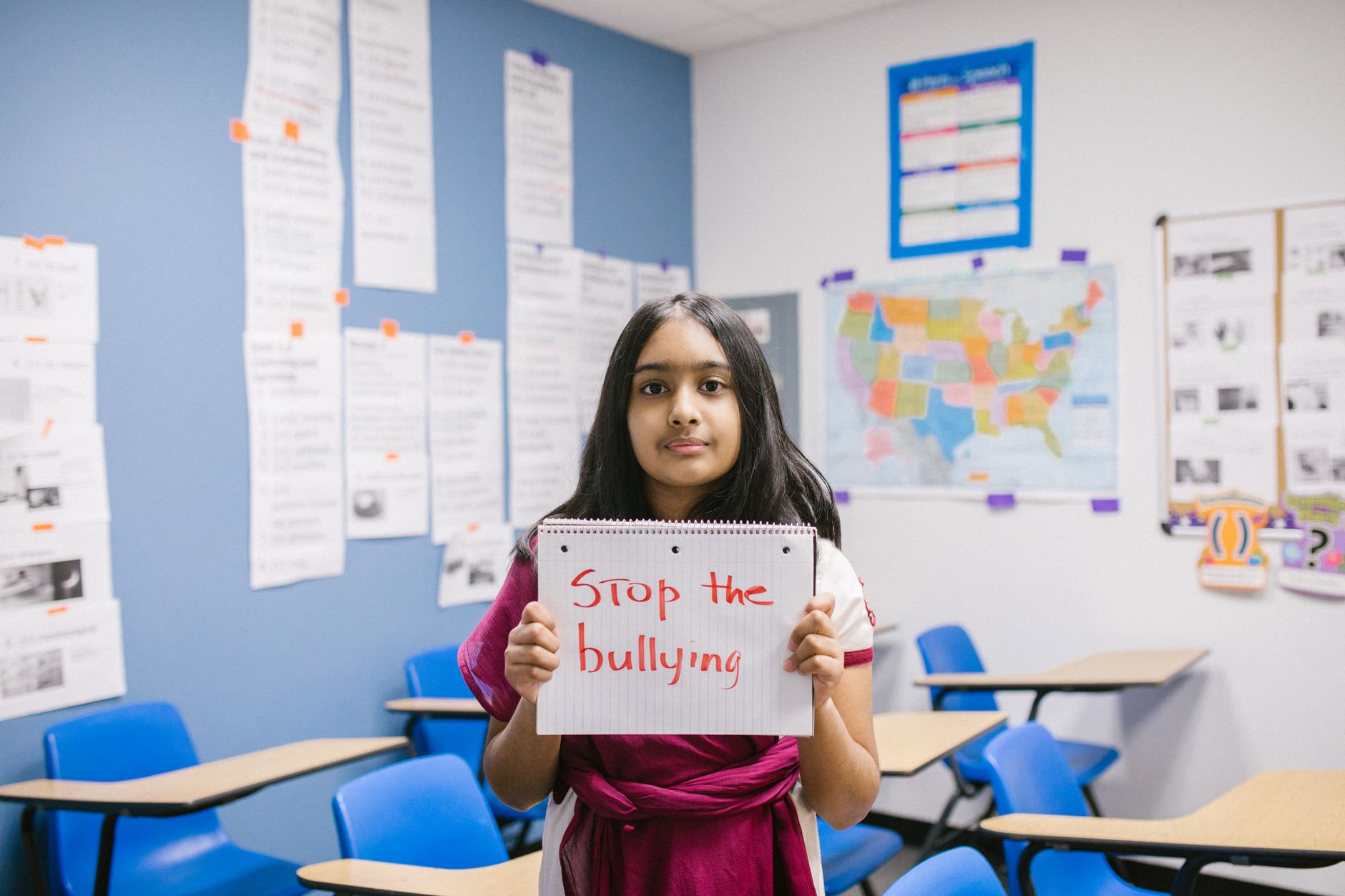
The mental health crisis among Indian students has reached alarming proportions, with counselors and psychiatrists reporting unprecedented levels of stress, anxiety, and depression among children and young adults. From primary school to higher education, students face mounting pressures that traditional education systems were never designed to address, making mental health support not just beneficial but essential.
The Scale of the Problem
Recent surveys indicate that nearly one in seven Indian adolescents experiences mental health challenges, yet most remain undiagnosed and untreated. The situation worsened considerably during the pandemic, when isolation, online learning disruptions, and uncertainty about the future compounded existing stressors. Even as schools returned to normal operations, the mental health impacts have persisted and in many cases intensified.
The pressure to excel academically remains relentless in Indian society, where educational achievement is often viewed as the primary path to social mobility and family pride. Students routinely face twelve-hour study days, competitive coaching classes alongside regular school, and constant comparisons with peers. This achievement culture leaves little room for emotional development, creative expression, or simply being a child.
Warning Signs Parents and Teachers Miss
Many adults struggle to recognize mental health distress in students because they mistake it for laziness, rebellion, or typical teenage behavior. Changes in academic performance, withdrawal from social activities, irritability, sleep disturbances, and changes in eating habits can all signal deeper psychological struggles. Physical complaints like headaches and stomach aches often mask emotional distress, especially among younger children who lack vocabulary to express their feelings.
The stigma surrounding mental health in Indian communities means students often suffer in silence, fearing judgment or dismissal if they speak up. Parents may view mental health concerns as weakness or failure rather than legitimate health issues requiring professional attention.
What Schools Can Do
Educational institutions must move beyond treating students as academic performers and recognize their role in holistic development. This starts with training teachers to identify mental health concerns and respond supportively rather than punitively. Every school should employ qualified counselors with appropriate student-to-counselor ratios, currently abysmally inadequate in most Indian schools.
Creating safe spaces where students can discuss their feelings without judgment helps normalize mental health conversations. Peer support programs, mindfulness sessions, and mental health awareness campaigns can build a culture where seeking help is encouraged rather than stigmatized.
Schools should also reconsider policies that intensify stress, such as excessive homework loads, constant testing, and public ranking of students. Alternative assessment methods that focus on learning rather than ranking can reduce anxiety while maintaining academic standards.
The Family's Role
Parents need education about adolescent mental health and age-appropriate emotional needs. This includes understanding that a child's worth extends far beyond report cards and entrance exam scores. Open communication channels where children feel heard without immediate judgment or problem-solving create foundations for mental well-being.
Limiting comparisons with siblings, neighbors, or relatives reduces the constant pressure many students feel. Encouraging diverse interests, physical activity, adequate sleep, and unstructured play time contributes significantly to emotional resilience.
Parents should also model healthy stress management and normalize discussions about emotions and challenges. When families treat mental health with the same seriousness as physical health, seeking professional help becomes a natural response rather than a last resort.
Policy and Systemic Changes Needed
India needs comprehensive mental health policies specifically targeting educational settings. This includes mandatory counselor positions, teacher training modules on psychological first aid, and integration of social-emotional learning into curricula from primary grades onward.
Education boards should reconsider examination patterns that create intense pressure during brief periods. Continuous assessment, reduced emphasis on single high-stakes exams, and recognition of diverse talents beyond academics would help distribute stress more evenly.
Investment in mental health infrastructure, including accessible and affordable services for families, remains critically underfunded. School health programs must include psychological screening alongside physical checkups.
Building Resilience for the Future
Fortifying student mental health isn't about eliminating all stress or lowering standards. It's about equipping young people with emotional tools to navigate challenges, building support systems they can access when struggling, and creating environments where mental well-being is valued alongside achievement. The students we support today become the emotionally intelligent, resilient adults who will shape tomorrow's India.
This article provides general information about student mental health and should not replace professional medical or psychological advice. If you or someone you know is experiencing mental health difficulties, please consult a qualified mental health professional or counselor.