India's healthcare system faces a persistent challenge: overcrowded tertiary hospitals, delayed diagnoses, and preventable complications that could have been addressed earlier. The solution lies not in building more super-specialty hospitals, but in strengthening the foundation of the healthcare pyramid—primary healthcare centres that serve as the first line of defence for the nation's 1.4 billion people.
Understanding Primary Healthcare's Role
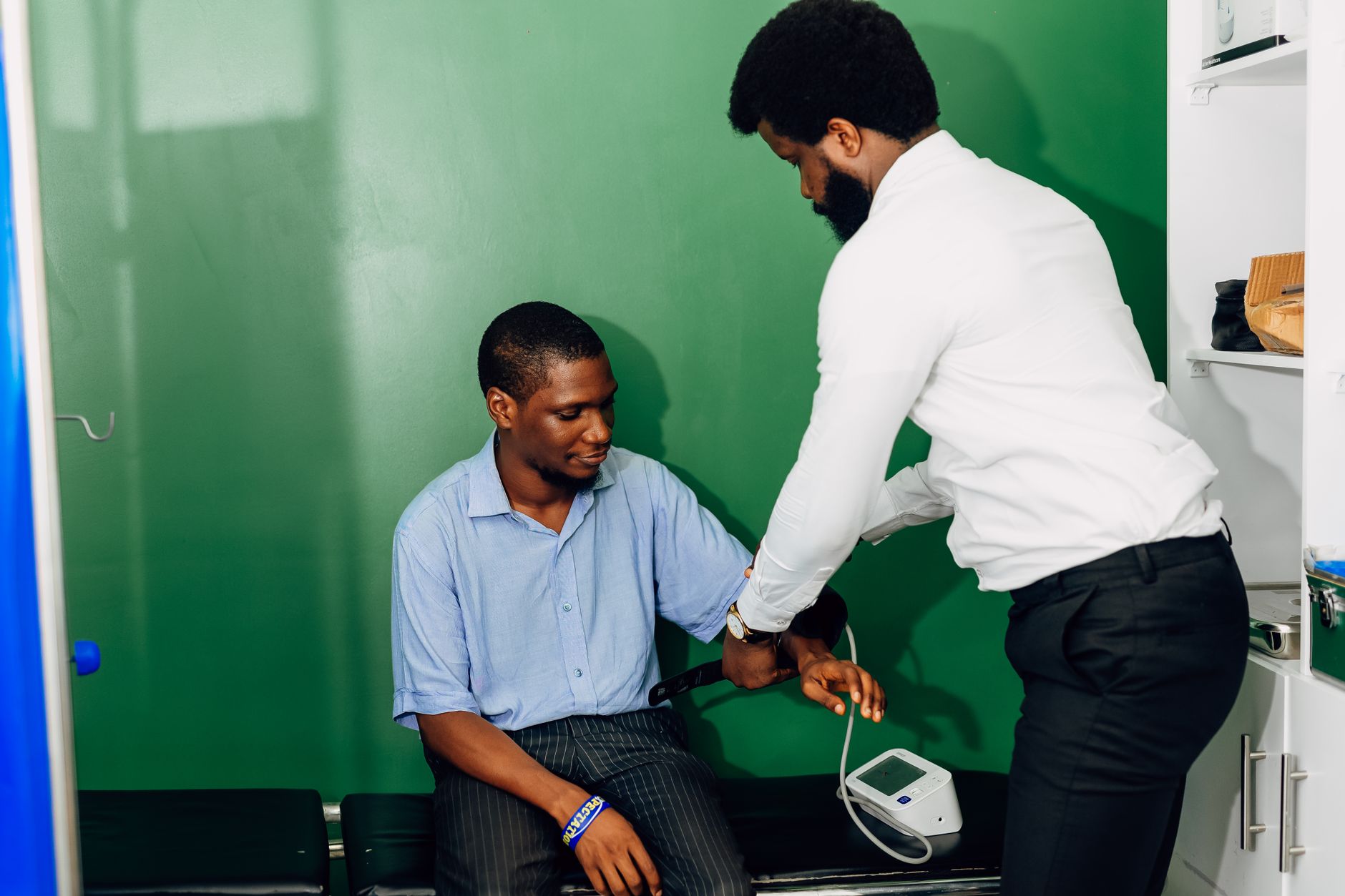
Primary healthcare encompasses the first point of contact between individuals and the health system. These facilities include Primary Health Centres (PHCs), Community Health Centres (CHCs), and Urban Primary Health Centres (UPHCs) that provide basic medical care, preventive services, health education, and referrals when necessary.
The concept extends beyond mere treatment of illnesses. Primary healthcare focuses on preventive care, early detection of diseases, management of chronic conditions, maternal and child health services, immunization programs, and health awareness campaigns. This comprehensive approach addresses health issues before they become severe and costly to treat.
Why It Matters for India
India's disease burden includes both communicable diseases like tuberculosis and malaria, and rising non-communicable diseases such as diabetes, hypertension, and cardiovascular conditions. Primary healthcare centres are positioned to tackle both simultaneously through regular screenings, monitoring, and community outreach.
Rural India, where approximately 65% of the population resides, often lacks access to advanced medical facilities. Primary healthcare centres bridge this gap, providing essential services within reach of villages and small towns. Without these facilities, minor health issues escalate into emergencies, forcing families to travel long distances and incur significant expenses for treatment that could have been managed locally.
The Economics of Prevention
The economic argument for robust primary healthcare is compelling. Treating advanced-stage diseases costs exponentially more than early intervention. A diabetes patient whose condition is detected and managed early at a PHC requires minimal medication and lifestyle guidance. The same patient, if diagnosed years later with complications like kidney failure or vision loss, requires hospitalization, dialysis, or surgery costing lakhs of rupees.
This principle applies across diseases. Early detection of hypertension prevents strokes and heart attacks. Timely vaccination prevents disease outbreaks. Prenatal care reduces maternal and infant mortality. Each of these interventions at the primary level saves not just money but lives and productivity.
Reducing the Burden on Tertiary Care
India's leading hospitals in metros and tier-one cities are overwhelmed with patients, many of whom could have been treated at primary or secondary facilities. This overcrowding leads to longer waiting times, rushed consultations, and suboptimal care even at premier institutions.
When primary healthcare systems function effectively, they filter patients appropriately. Only those requiring specialized care reach tertiary hospitals, allowing these facilities to focus their resources and expertise on complex cases. This creates a more efficient, effective healthcare delivery system.
Current Challenges and Gaps
Despite recognizing primary healthcare's importance, India faces significant implementation challenges. Many PHCs struggle with inadequate infrastructure, shortage of doctors and nurses, lack of essential medicines, and poor diagnostic facilities. Staff absenteeism and unmotivated healthcare workers further diminish service quality.
The doctor-to-population ratio in rural areas remains far below WHO recommendations. Many PHCs operate without full-time doctors, relying on visiting physicians or paramedical staff. This undermines public confidence and drives people to seek care in cities, defeating the purpose of decentralized healthcare.
The Path Forward
Strengthening primary healthcare requires multi-pronged interventions. Investment in infrastructure, ensuring adequate staffing with trained professionals, maintaining medicine supplies, and establishing robust referral systems are fundamental requirements.
Technology offers promising solutions. Telemedicine can connect PHC patients with specialists in urban hospitals. Electronic health records enable continuity of care. Mobile health applications provide health education and appointment reminders. These innovations can enhance primary healthcare effectiveness without requiring massive infrastructure expansion.
Community participation and awareness also play crucial roles. When people understand the value of preventive care and regular check-ups, they utilize primary healthcare facilities more effectively. Health education campaigns, particularly regarding non-communicable diseases and maternal health, can drive behavioral change.
Building Health Resilience
The COVID-19 pandemic demonstrated how primary healthcare networks serve as surveillance systems for disease outbreaks. PHCs and CHCs were instrumental in contact tracing, vaccination drives, and managing mild cases, preventing health system collapse. This experience underscores their role not just in routine care but in national health security.
Investing in primary healthcare isn't merely about treating today's patients—it's about building a healthier tomorrow. When communities have access to preventive care, health education, and early intervention, the entire population becomes more resilient. Productivity increases, healthcare costs decrease, and quality of life improves across generations.
India's ambition to become a developed nation by 2047 cannot be realized without a healthy population. That health foundation must be built at the primary level, one community at a time, with accessible, quality healthcare serving as every citizen's first line of defence.
This article is for general informational purposes only and should not be considered medical advice. For specific health concerns, please consult qualified healthcare professionals at appropriate medical facilities.