The Public Distribution System (PDS) in India is one of the world's largest food security networks, distributing subsidized food grains to over 800 million beneficiaries. Yet, a common complaint across states is the poor quality of ration rice. This isn't just a matter of taste—it reflects deeper economic, logistical, and policy challenges that affect both government expenditure and household nutrition.
The Procurement Process and Grade Selection
The government procures rice through the Food Corporation of India (FCI) and state agencies, primarily from farmers at Minimum Support Prices (MSP). However, the rice distributed through PDS is typically of a lower grade than what's available in the open market. The government generally procures common and Grade-A varieties, but what reaches ration shops is often the result of multiple factors affecting quality.
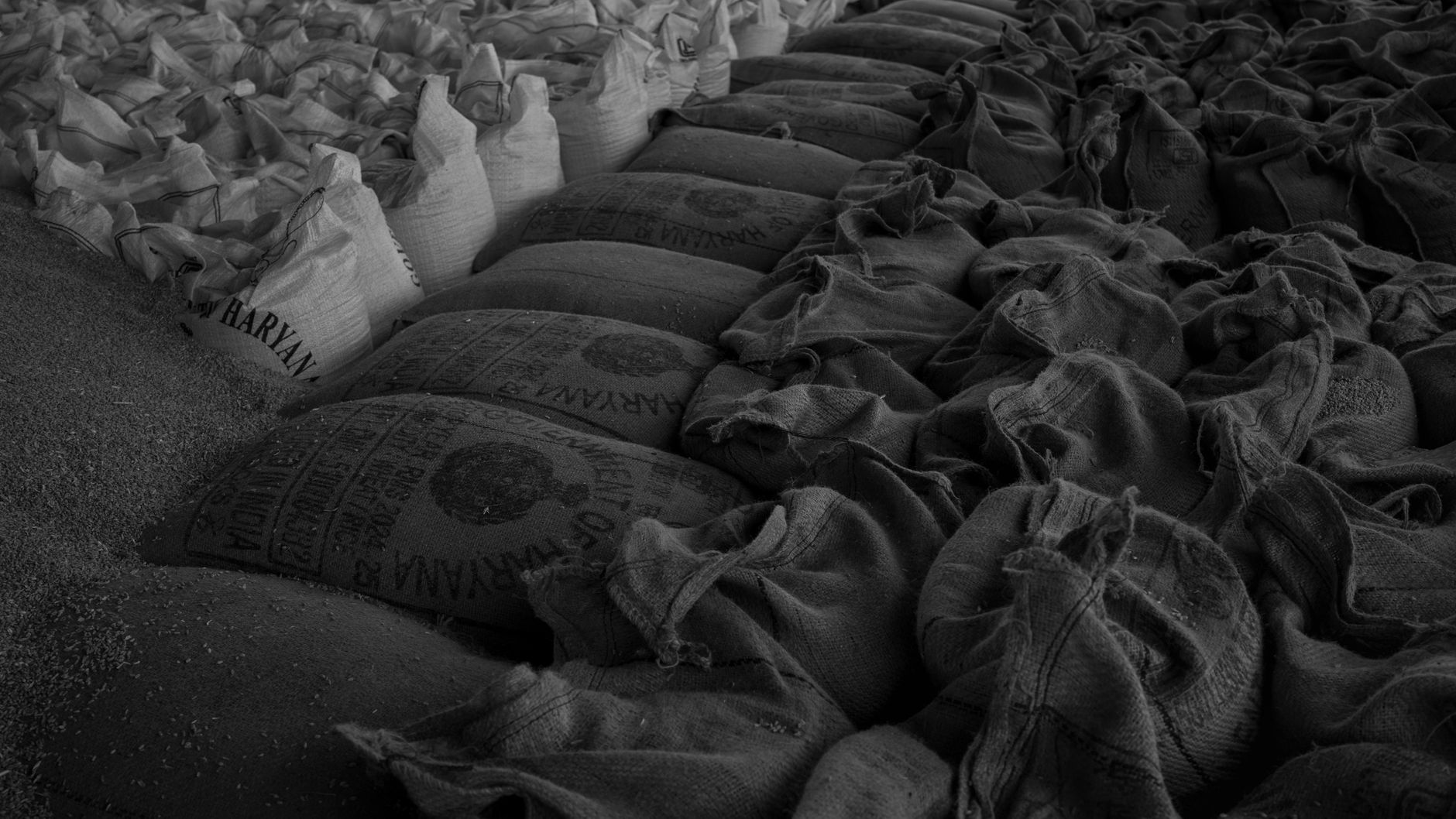
Storage conditions play a crucial role. Rice procured during one season may be stored for extended periods before distribution, sometimes in warehouses with inadequate climate control. This extended storage, especially in humid conditions, can lead to discoloration, pest infestation, and the development of musty odors.
Cost Economics of Subsidized Food Grains
The quality issue is intrinsically linked to the economics of food subsidy. The government bears the cost difference between procurement price, storage, transportation, and the subsidized sale price. For below-poverty-line (BPL) cardholders, rice is provided at Rs 3 per kilogram, while the economic cost to the government exceeds Rs 30-37 per kilogram in many states.
This massive subsidy burden—running into lakhs of crores annually—creates pressure to minimize costs wherever possible. Higher quality rice varieties command premium prices in procurement, which would further strain the subsidy bill. Consequently, the system tends to settle for acceptable minimum standards rather than premium quality.
The Milling and Processing Factor
Rice quality is significantly affected by the milling process. The degree of milling—how much of the bran layer is removed—impacts both appearance and taste. Over-milled rice looks whiter but loses nutritional value, while under-milled rice retains more nutrients but appears less appealing and may have shorter shelf life.
Many rice millers working with government contracts operate on thin margins and may not invest in the best processing equipment. Additionally, the blending of rice from different sources and varieties during processing can result in inconsistent grain size, color, and cooking characteristics.
Storage and Distribution Challenges
India's food grain storage infrastructure, while improving, still faces significant gaps. The FCI manages thousands of storage facilities, but many are decades old. Temperature fluctuations, moisture ingress, and pest management issues are common in covered plinth storage and older godowns.
The distribution chain involves multiple handling points—from procurement centers to FCI godowns, to state warehouses, and finally to fair price shops. Each transfer point presents opportunities for quality degradation through exposure to moisture, contamination, or mixing with inferior stock.
The Opportunity Cost and Market Dynamics
There's also an economic reality about which rice enters the PDS system. Farmers and traders naturally prefer selling their best produce in the open market where they can command higher prices. The rice sold to government agencies, even at MSP, is often not the premium output. This selection bias means the PDS system starts with rice that's already of moderate quality.
Furthermore, some states have reported issues with the age of distributed rice. Stocks from previous seasons or years sometimes enter the distribution chain before fresh procurement, as the system works to prevent wastage and reduce carrying costs.
Investment Implications and Reform Potential
From an investment and policy perspective, improving ration rice quality requires significant capital expenditure. Upgrading storage infrastructure, implementing better logistics, adopting scientific storage methods, and tightening quality specifications would require increased budgetary allocation.
Several states have experimented with reforms, including direct benefit transfers (DBT) for food subsidies, which allow beneficiaries to purchase rice of their choice from the open market. This market-based approach potentially addresses quality concerns while maintaining food security objectives.
The government has also been investing in modernizing storage facilities with newer silos and improved warehouse management systems, though the pace of upgrades remains gradual given the scale of infrastructure involved.
Understanding the quality issue of ration rice reveals it's not merely administrative negligence but a complex outcome of economic constraints, infrastructural limitations, and the sheer scale of the world's largest food security program. Balancing fiscal sustainability with quality improvement remains an ongoing challenge for policymakers and economists alike.
This article is for general informational purposes only and does not constitute financial, investment, or policy advice. Readers should conduct their own research or consult appropriate professionals for specific guidance.